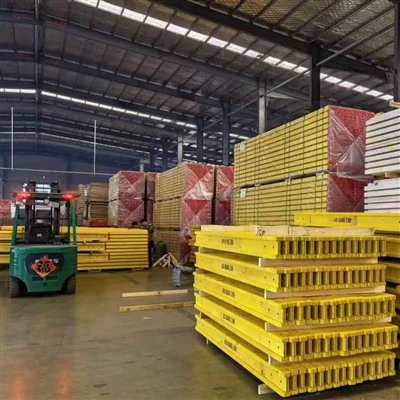
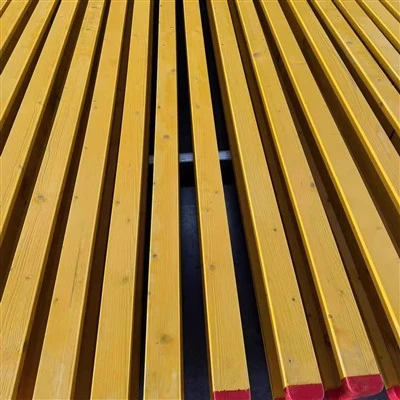
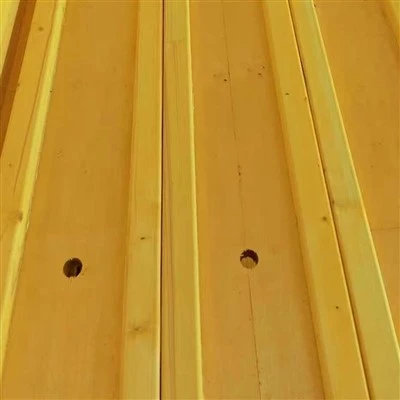
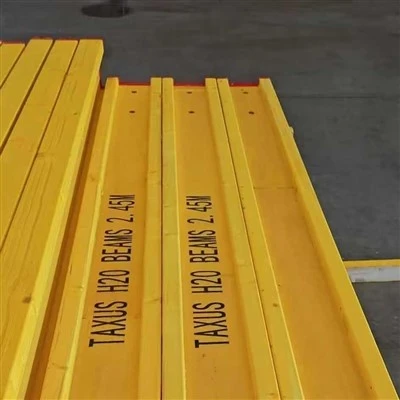
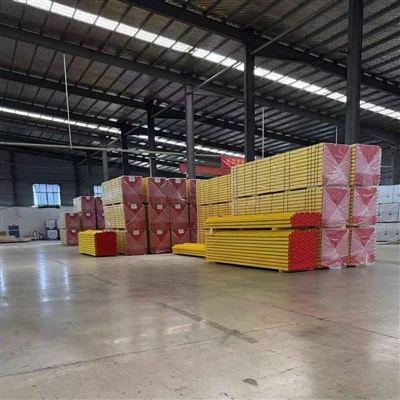
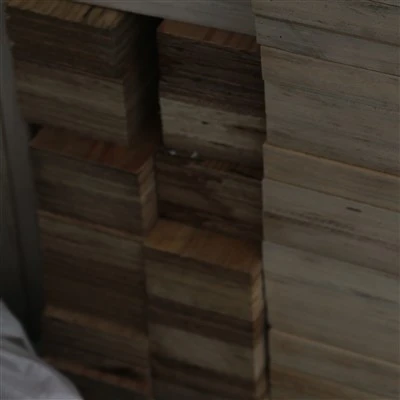
Laminated veneer lumber (LVL) is an engineered wood product made from multiple layers of thin veneer sheets bonded together under high temperature and pressure. It exhibits excellent structural and functional properties. Its functional foundation is primarily reflected in its mechanical properties, dimensional stability, durability, and environmental friendliness.
From a mechanical perspective, LVL significantly enhances wood's strength and stiffness through its oriented veneer layer structure. The grain orientation of the veneer sheets is typically uniform, resulting in increased resistance to bending, shear, and compression in the load-bearing direction. This makes it suitable for structural components such as long-span beams and load-bearing columns. Compared to natural wood, LVL evenly distributes defects (such as knots and cracks), reducing localized stress concentrations and improving overall reliability.
In terms of dimensional stability, LVL effectively reduces the swelling and shrinkage of wood due to moisture and drying, through the staggered lamination of multiple veneer sheets. Because the veneer thickness is relatively thin (typically 1-4 mm) and the gluing process creates a monolithic structure, LVL resists deformation and cracking in environments with fluctuating humidity, making it suitable for architectural applications requiring high deformation control.
Durability is another key functional foundation of LVL. The waterproof adhesives used during production (such as phenolic or urea-formaldehyde resins) enhance the material's corrosion resistance, making it resistant to moisture, insect damage, and fungal attack. Furthermore, the heat-pressed veneer structure further enhances the material's aging resistance and extends its service life.
In terms of environmental protection, LVL fully utilizes small-diameter timber, fast-growing forests, or processing residues, increasing the comprehensive utilization rate of wood and meeting the requirements of sustainable development. Its production process is controllable and standardized, reducing the waste associated with traditional solid wood processing.
In summary, the functional foundation of laminated veneer lumber makes it an indispensable high-performance material in modern timber-framed construction, balancing strength, stability, and environmental advantages.