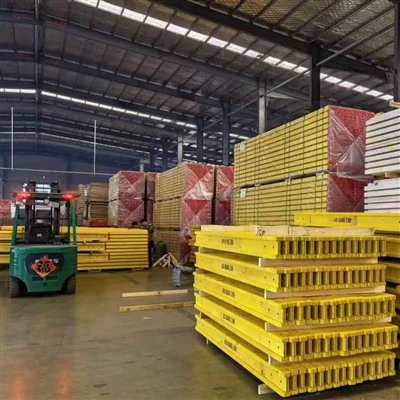
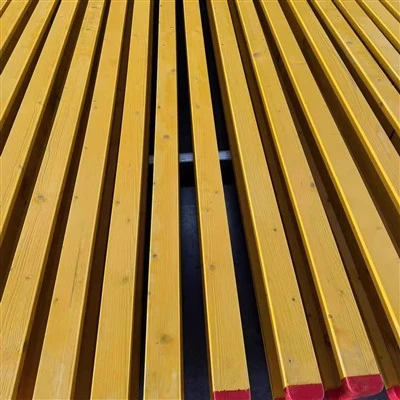
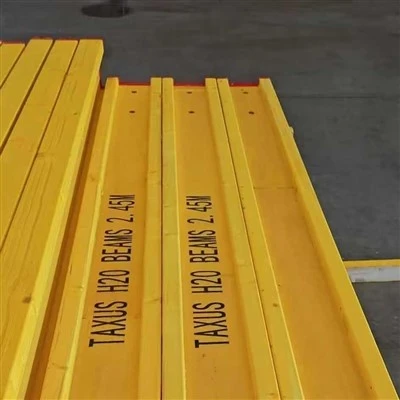
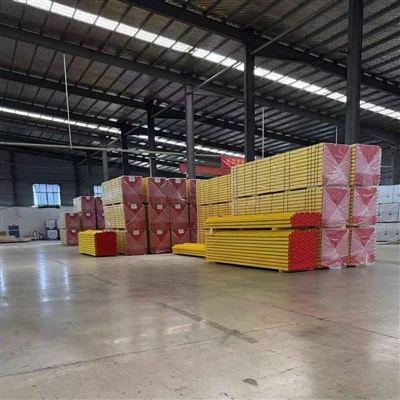
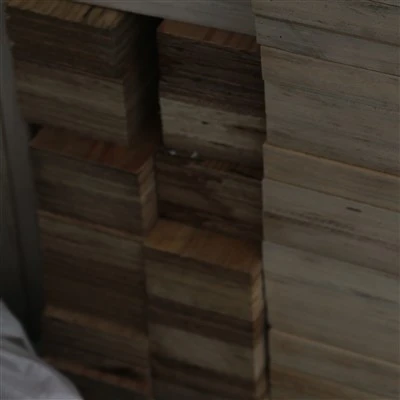
From detached villas in Australia to resort hotels in Southeast Asia and rapidly assembled homes in the Middle East… behind these buildings scattered across the globe, a common supply chain may lie: engineered wood (LVL) from China. With its reliable performance, stable supply, and excellent cost-effectiveness, it is becoming an increasingly robust "invisible link" between Chinese manufacturing and the global construction market.
1. The "Global Adaptability" of Chinese Factories
As the world's leading LVL producer, China's core advantage is not merely production capacity. Facing vastly different global markets, Chinese factories demonstrate a high degree of "adaptability." For the North American market, production lines can be precisely switched to produce 2x4-inch square lumber conforming to APA PRS-610 standards; for Japanese orders, the stringent JAS 590 standard is strictly enforced; and for EU customers, products must meet EN 14374 standards and bear the CE mark. This "flexible production capacity" allows LVL factories in China to function like a "universal plug," seamlessly integrating with diverse building standards worldwide. Furthermore, strict adherence to globally recognized regulations such as FSC forest certification and CARB formaldehyde emission standards further alleviates environmental and quality concerns associated with international procurement.
2. The "Systematic Output" Behind Cost-Effectiveness
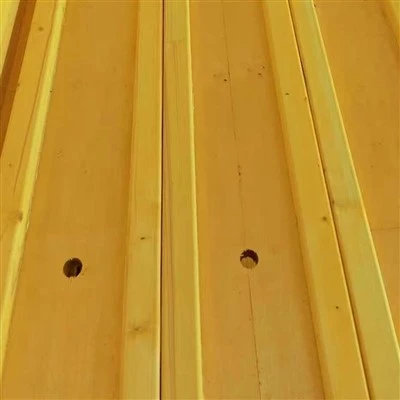
While price is a key factor for international clients choosing LVL in China, it's far from the whole story. Behind this lies the global output of a "high-cost-performance system." This system includes: stable costs from large-scale production, consistent quality guaranteed by high automation, logistical efficiency from coastal port clusters, and increasingly professional international trade services (such as smooth letter of credit operations, accurate export documents, and flexible delivery terms). In particular, Chinese suppliers can provide a full range of products, from large-section beams and columns to standard square timber, and can perform customized deep processing (pre-drilling, grooving, etc.) based on engineering drawings. This "one-stop" solution capability saves overseas developers and contractors significant time and overall costs.
3. Playing a Role in the Belt and Road Initiative and Global Infrastructure Development
In the wave of infrastructure construction and urbanization along the Belt and Road Initiative and in many developing countries around the world, Chinese LVL has found a unique application. Its lightweight, high-strength, rapid construction, and environmentally friendly, renewable characteristics perfectly match the local demand for fast, economical, and sustainable building solutions. Whether used for frames in affordable housing or roof structures for schools and clinics, Chinese-made LVL is supporting the development of people's livelihoods and community building in these regions with its reliable performance. It is not only a commodity but also a carrier for conveying China's green building technology and concepts.
4. Addressing Challenges and Building Long-Term Trust Bonds
Strengthening this "bond" is accompanied by challenges and upgrades. Faced with increasingly fierce international competition and customers' higher demands for supply chain resilience, leading Chinese LVL companies are no longer satisfied with simple product exports and are committed to building deeper levels of trust and cooperation. This includes: investing in the construction of overseas forward warehouses to ensure rapid supply; using digital twin technology to provide customers with remote product demonstrations and inspections; and collaborating with local design institutes to provide technical support that complies with local regulations. These efforts aim to upgrade a simple buyer-seller relationship into a strategic partnership for jointly addressing market risks and creating value.
From modern factories along China's coast to construction sites around the world, LVL has accomplished more than just a physical leap; it has connected standards, trust, and value. It silently bears the load and quietly connects the market. This "invisible link" composed of countless containers and standard parts is a vivid microcosm of the deep integration of Chinese manufacturing into the global construction industry, telling a new story of globalization about reliability, adaptability, and win-win cooperation.