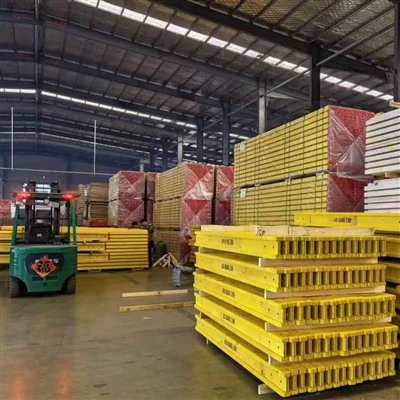
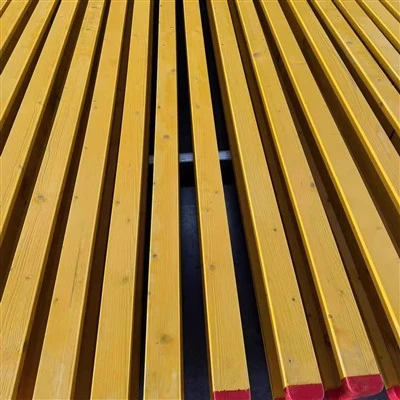
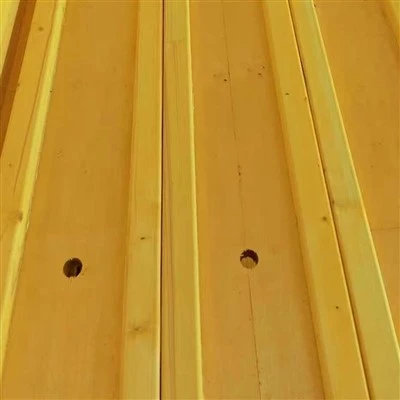
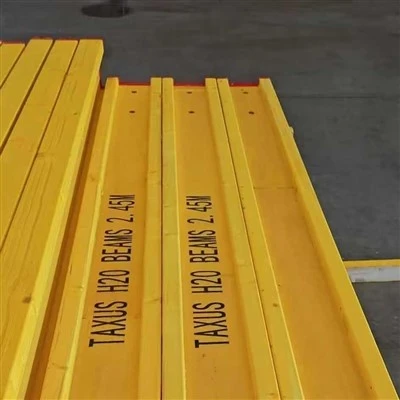
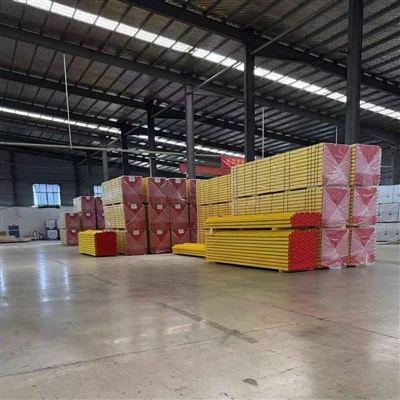
When pursuing strength in building materials, we often overlook their impact on indoor air quality. Formaldehyde release, moisture condensation, mold growth… these "indoor health killers" are often closely related to the choice of building materials. Now, a new type of environmentally friendly LVL timber is attempting to solve this problem: how can it become a healthy material that "breathes" while maintaining structural strength?

1. The "Health Paradox" of Traditional Structural Materials:
High strength often means high-density bonding, and traditional adhesives are one of the main sources of indoor formaldehyde. Engineers pursue strength, while residents pursue health; this contradiction has long existed in the selection of building materials.
2. How Does "Breathing" LVL Break the Deadlock?
The new generation of environmentally friendly LVL achieves a breakthrough through three technological innovations:
- "Lung" Structural Design: Utilizing a unique open-pore layered structure, it allows for moderate moisture exchange in the wood while ensuring strength in the main load-bearing direction. Like a building's "respiratory system," it regulates the humidity balance of the local microenvironment.
- "Smart Adhesive" Technology: Using plant-based modified adhesives, not only is formaldehyde emission close to zero, but it also maintains stable bonding strength in humid environments. Some advanced products even use inorganic adhesive systems, completely eliminating volatile organic compounds (VOCs).
- "Active Protection" Coating: The surface treatment uses a mineral-based coating with microporous breathable properties, while also inhibiting the attachment and growth of mold spores. Experiments show that the treated boards achieve a mold resistance rating of 0 (the highest level) in a 90% humidity environment.
3. Quantitative Verification of Health Performance
These LVL products not only provide strength reports but also complete health testing data:
Formaldehyde emission ≤ 0.01 mg/m³ (approximately 1/3 of the national standard ENF level)
24-hour moisture absorption/release reaches 8-12 g/m²
Antibacterial rate reaches over 99% (against Staphylococcus aureus and Escherichia coli)
Far-infrared emissivity ≥ 0.88 (promotes air circulation)
4. From "Structural Component" to "Health System Component"
This transformation significantly increases the value of LVL in the following scenarios:
Children's Medical Spaces: Skeleton of pediatric wards in hospitals and activity rooms in kindergartens
Cultural Heritage Protection: Exhibition support systems for museums and archives
High-end Health and Wellness Communities: Interior structure of nursing homes and convalescent centers
Buildings in Special Climate Zones: Residential frame systems in high-humidity areas
Technological Challenges and Future Prospects
Currently, the cost of these products is still 25-35% higher than ordinary LVL, and the requirements for controlling the production process are extremely high. However, with the popularization of healthy building standards and the improvement of consumer awareness, the market demand for "breathable structural materials" is growing rapidly. Engineers are developing technology that combines humidity-sensing materials with LVL (Low-Void Flooring), which may enable materials to intelligently adjust their porosity based on ambient humidity in the future.
When wood learns to "breathe," building materials are no longer cold load-bearing structures, but active participants in the living environment. This transformation represents the construction industry's evolution from basic needs of "safety and durability" to higher-level values of "health promotion." Perhaps in the not-too-distant future, when choosing structural materials, our first question will no longer be "how much weight can it bear," but rather "how well can it allow us to breathe?"