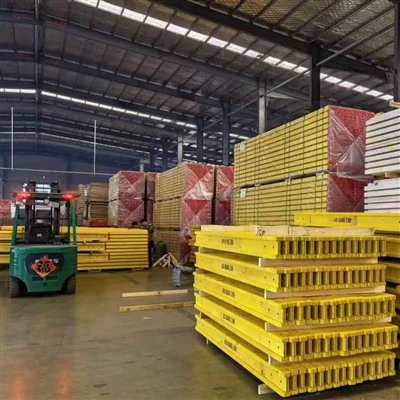
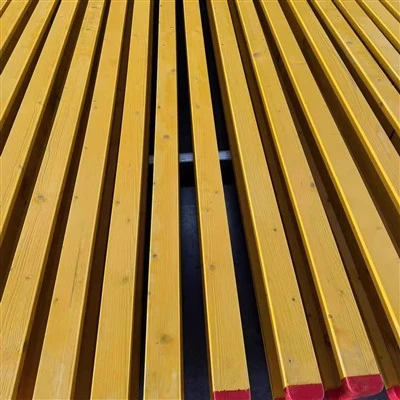
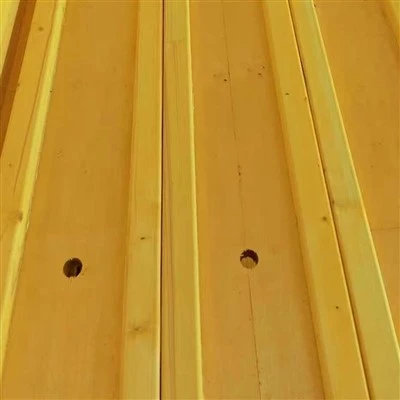
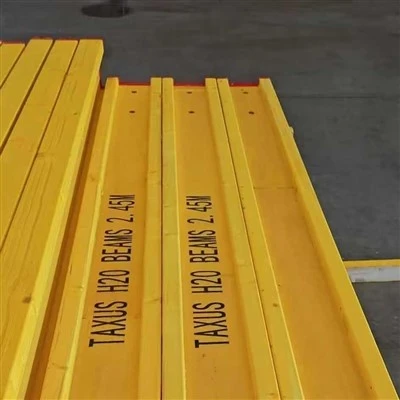
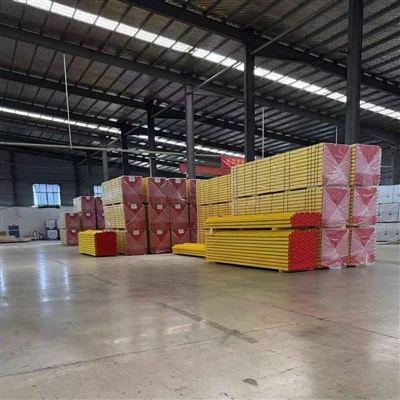
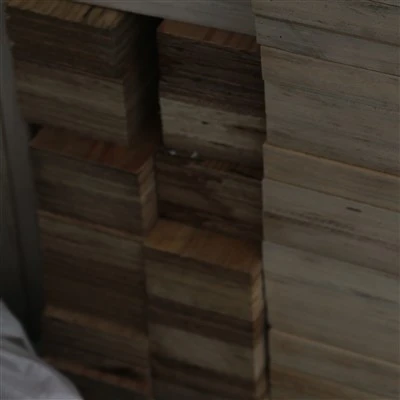
Laminated Veneer Lumber (LVL) is a high-performance engineered wood product made by gluing multiple layers of thin veneer together under high temperature and high pressure. It exhibits excellent mechanical properties and dimensional stability. Its technical scope encompasses raw material selection, production processes, performance optimization, and application areas. It is widely used in construction, furniture, and industrial manufacturing.
LVL primarily utilizes veneers from high-quality species, such as radiata pine, fir, or eucalyptus, with veneer thickness typically ranging from 1.5 to 3.5 mm. The choice of adhesive directly impacts product durability; phenolic resin (PF) or urea-formaldehyde resin (UF) is commonly used to meet strength and environmental requirements in various environments. The production process includes veneer peeling, drying, gluing, assembly, and hot pressing. The hot pressing temperature, pressure, and time parameters must be precisely controlled to ensure interlaminar bond strength and uniformity.
LVL's technical advantages lie in its high load-bearing capacity and deformation resistance. Compared to natural sawn timber, LVL offers uniform strength, customizable dimensions, and reduced impact from wood defects. Its longitudinal strength is significantly higher than its transverse strength, making it suitable for load-bearing structures such as beams, columns, and long-span floor slabs. Furthermore, LVL's dimensional stability makes it less susceptible to cracking or warping in environments with fluctuating humidity, making it well-suited to the demands of modern timber construction.
LVL is widely used in both non-load-bearing and load-bearing components in residential and commercial buildings, such as prefabricated walls, stair treads, and bridge supports. Its lightweight nature reduces transportation and construction costs, while also meeting the sustainable material requirements of green building. In the industrial sector, LVL is also used to manufacture heavy equipment supports and shipping pallets, owing to its superior impact resistance and durability compared to conventional wood.
In the future, with advances in environmentally friendly adhesives (such as formaldehyde-free adhesives) and the development of digital manufacturing technologies, LVL's production efficiency and performance will be further optimized. Its expanded technical scope also includes composite applications with other materials, such as steel or concrete, to meet more complex engineering requirements. Laminated veneer lumber, with its reliability and flexibility, has become an indispensable material in modern timber construction.