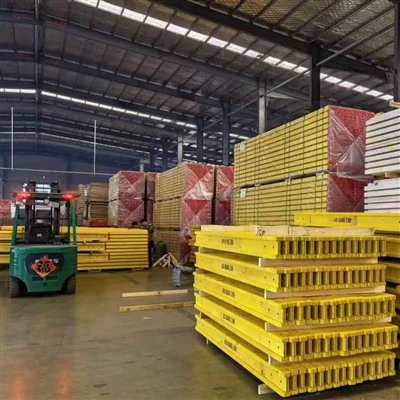
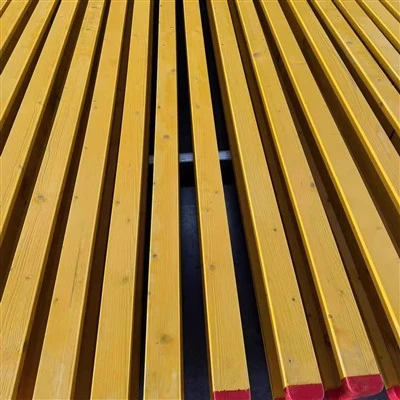
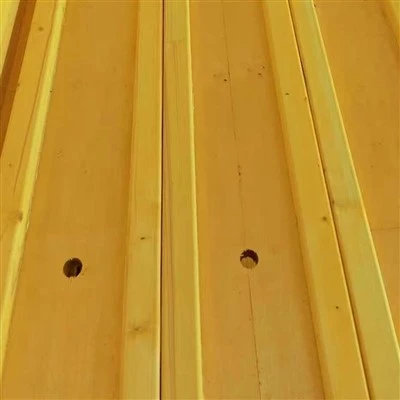
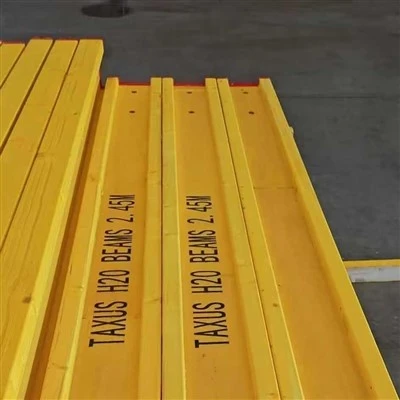
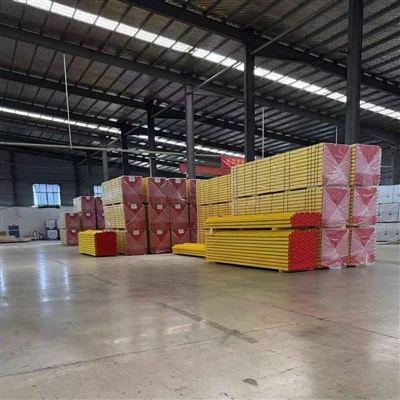
In international timber trade, "cubic meter" is the most commonly used unit of measurement. However, this seemingly standard method of measurement often becomes a focal point of disputes between buyers and sellers. Chinese LVL exporters are trying a more transparent and direct pricing method-selling by linear meter. This small change is rebuilding customers' trust in "Made in China."
1. The Trust Dilemma Behind "Cubic Meter"
"Why is it that of the 100 cubic meters of timber I bought, less than 95 cubic meters are actually usable?" This is a common question among overseas buyers.
In traditional timber trade, pricing by cubic meter has several inherent flaws:
- Size shrinkage: Some suppliers, for profit, still calculate the cubic meterage based on the nominal dimensions even when the timber shrinks after drying.
- Volume calculation errors: Volume calculation formulas differ across regions and standards, easily leading to disagreements.
- Random length: When pricing by cubic meter, suppliers tend to provide longer pieces of material to increase the total volume, but customers actually need precise lengths.
"We once argued with our supplier for three months over volumetric calculation issues, and it all came to nothing," a Nigerian building materials supplier said helplessly. "Since then, I've started looking for suppliers who price by the meter."
2. The Transparent Logic of "Selling by the Meter"
Some astute Chinese LVL exporters have recognized this demand and begun implementing a "pricing by the meter" model.
- Pricing Method: Each piece of material is priced by multiplying its actual length (meters) by the unit price, not by volume (cubic meters).
- Supporting Measures: Product lengths are standardized, using 0.3-meter or 0.6-meter modules, allowing customers to precisely order the required length.
- Price Disclosure: The unit price per meter for each specification is publicly transparent, allowing customers to quickly calculate the total price.
"Pricing by the meter makes cost calculation more complex for our factory, but it's incredibly simple for our customers," said the manager of a factory that has implemented this pricing method. "Customers don't need to calculate volume or worry about size discrepancies; they just need to say, 'I want 100 3-meter lengths,' and that's it."
3. Customer Feedback
The value of pricing by the meter for customers is tangible:
- More Accurate Budgeting: Project designers can precisely calculate the total linear length of materials needed based on drawings, thus accurately budgeting costs with an error margin of less than 1%.
- Simpler Procurement: No need for volume conversions or concerns about suppliers manipulating dimensions; the procurement process is greatly simplified.
- Easier Acceptance: Upon arrival, only the number of pieces and length verification are required; no complex measurements or calculations are needed, reducing acceptance time by 70%.
- Less Waste: Customers can order according to precise lengths, significantly reducing on-site cutting waste.
"Previously, when buying timber, I always had to arrange for a specialist to measure and inspect it. Now, the workers can handle it themselves," said a Singaporean contractor. "The supplier's willingness to sell by the meter shows their confidence in their dimensions, which gives us more peace of mind."
4. From "Pricing by Measurement" to "Integrity": Brand Premium
Pricing by the meter may seem like just a change in pricing methods, but it actually represents an upgrade in business philosophy:
- Using transparency to gain trust: When suppliers are willing to forgo the potential for profit manipulation in "cubic meters" and instead adopt the more transparent "meter," they are sending the signal, "I don't make money through ambiguity."
- Simplifying processes with standards: Promoting product standardization not only benefits customers but also forces factories to improve their management and reduce efficiency losses caused by non-standard production.
- Creating value through service: Pricing by the meter requires factories to more accurately control length tolerances and manage inventory more meticulously, which in itself reflects service capabilities.
"We are willing to cooperate long-term with Chinese factories that dare to sell by the meter," said an Australian importer. "Because I know they won't play tricks on dimensions."
5. Future Trends in the Industry
Pricing by the meter is moving from a niche experiment to an industry trend:
- More and more specifications are being added: From the initial square timber, it has expanded to beams, plates, and even custom components.
- Supporting services are being provided: Factories that price by the meter usually also offer "shortage filler" services to ensure that the total number of meters ordered by customers is complete.
- Industry standards are being promoted: Some industry associations are beginning to promote standard contract terms for "trading by linear meter" to reduce trade disputes.
From cubic meters to meters, this small step in pricing is a giant leap for the integrity of Chinese LVL exporters. When product dimensions no longer need to be "guessed," and transactions no longer need to be "defensive," Made in China wins not only orders, but also the heartfelt trust of global customers. This trust is more lasting and valuable than any price advantage.