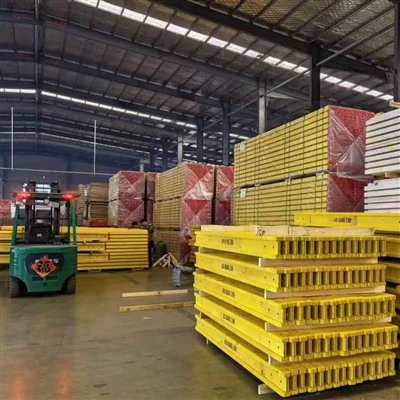
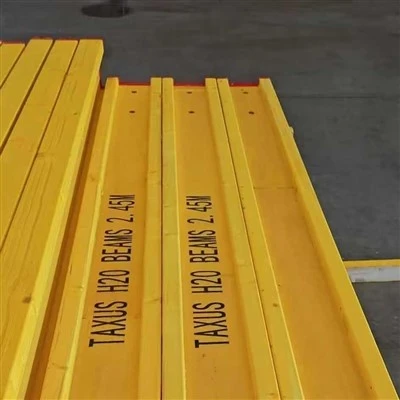
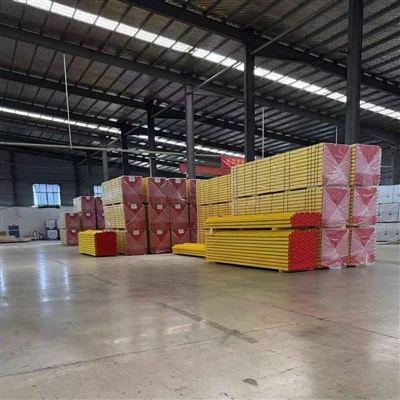
In manufacturing, product quality ultimately depends on frontline workers. How can we ensure each worker takes responsibility for their work? How can we identify and resolve problems at their source? A number of LVL (Leadership Level Wear) factories in China are using the simple yet effective method of "team responsibility system" to assign quality management responsibility to every individual, managing consistent product quality in the most basic way.
1. The Dilemma of "Equal Distribution" Management
In the past, many LVL factories operated under an "equal distribution" management model-workers were only responsible for their work, and the quality of their work was irrelevant to them. When product problems arose, no specific person could be held accountable, and the issue was often attributed to "management problems" or "equipment problems."
"Back then, workers felt that as long as they finished their work, that was enough; whether they did it well or not was the quality inspector's problem," a factory manager recalled. "As a result, the same mistakes kept happening, and the quality remained unstable."
The drawbacks of this management model are obvious:
- Workers lacked a sense of responsibility, only caring about quantity, not quality.
- Problems were difficult to trace after they occurred, making it difficult to find directions for improvement.
- Excellent workers were not recognized, leading to a spread of negative attitudes.
2. The Introduction of the "Responsibility Field" Model
Some factories began to try the "team responsibility system"-dividing the production line into several teams, each team responsible for its own "responsibility field," from raw materials to finished products.
- Team Division: Teams were divided according to production line or process, with 5-8 people per team and a team leader.
- Clear Responsibility: Each team was responsible for the quality of its products, including raw material inspection, process control, and finished product self-inspection.
- Traceable Records: Each batch of products was marked with a team number, allowing for traceability to the specific team when problems occurred.
"We divide each production line into two shifts, day shift and night shift," said a factory manager. "The pass rate and customer feedback for each shift are recorded. It's clear who did well and who didn't."
3. Shift-Based "Autonomous Management"
The shift responsibility system is not just about "delineating responsibilities," but more importantly, about empowering shifts with autonomous management:
- Self-Inspection: Shifts conduct their own inspections during production, promptly addressing any issues without waiting for quality inspectors.
- Self-Improvement: Shifts can propose process improvements, which are implemented after confirmation by the technical department.
- Self-Training: Shift leaders mentor new workers, ensuring every member masters standard operating procedures.
- Self-Assessment: Shifts conduct peer evaluations, rewarding high-performing members.
"Our team has a 'quality dashboard,'" said a team leader. "Every day before work, I write down yesterday's quality situation on the dashboard so everyone knows what went well and what needs improvement. The workers are aware of their own performance."
4. A "Visible" Incentive Mechanism
To ensure the team responsibility system is truly effective, some factories have established a "visible" incentive mechanism:
- Pass Rate Disclosure: The pass rate of each team is published monthly, and the top-ranked teams receive a "Quality Rotating Red Flag."
- Bonus Linkage: The pass rate of a team is directly linked to its monthly bonus; the higher the pass rate and the fewer customer complaints, the higher the bonus.
- Outstanding Team Leader Selection: Outstanding team leaders are selected quarterly and given additional rewards and recognition.
- Promotion Path: High-performing team leaders have the opportunity to be promoted to workshop supervisor or technical positions.
"The bonus gap in our work group can reach 20%," said one worker. "The better-performing groups get more, and the worse-performing groups get less. Everyone wants to be competitive, so naturally, everyone works harder."
5. Changes Brought About by the Responsibility System
After implementing the work group responsibility system, the factory's quality management underwent significant changes:
- More Timely Problem Detection: Workers can identify problems during production, preventing batches of defective products from being produced before quality inspectors arrive.
- Enhanced Sense of Responsibility: Every worker knows their actions affect the work group's pass rate, leading to more careful operation.
- Improved Team Collaboration: Work group members remind and help each other, fostering a positive collaborative atmosphere.
- Reduced Customer Complaints: Improved product quality stability resulted in a significant decrease in customer complaints.
"We used to say, 'Quality is the life of the company,'" said a factory manager. "Now, workers say, 'Quality is the honor of the work group.' Although it's just a change in wording, it reflects a deeper sense of responsibility."
The work group responsibility system isn't some sophisticated management theory, but rather the simple principle of "assigning responsibility to individuals." When LVL factories in China are willing to entrust the power and responsibility of quality management to frontline workers, they gain not only stable product quality, but also a workforce with a strong sense of responsibility and honor. This management philosophy of "everyone taking responsibility" is the cornerstone of Chinese manufacturing's journey towards high-quality products.