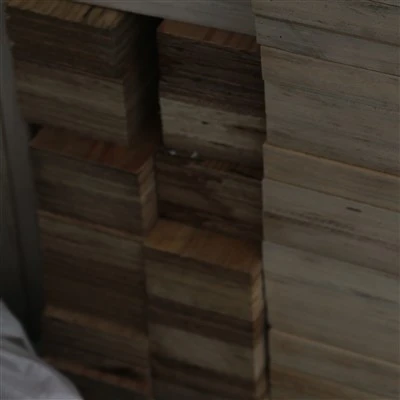
Structural plywood is a high-strength, durable engineering material widely used in construction, furniture manufacturing, and industry. However, improper use can lead to performance degradation and even safety hazards. The following are key considerations when using structural plywood:
1. Choosing the Right Grade and Type
Structural plywood is classified into different grades (such as Class I and Class II) based on its intended use, suitable for load-bearing, non-load-bearing, or decorative applications. When purchasing, choose plywood that meets national standards based on specific project requirements. For example, plywood used for floor slabs must have high bending strength and moisture resistance.
2. Checking the Board Quality
Before use, carefully inspect the plywood surface for cracks, delamination, bubbling, or loose glue lines. High-quality structural plywood should have a uniform grain, a tight bond, and be free of noticeable defects. Edges should also be smooth to avoid burrs that could affect installation.
3. Storage and Moisture Prevention
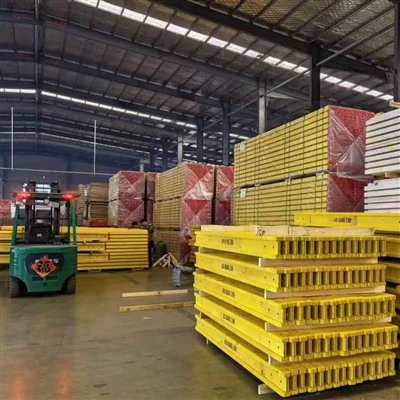
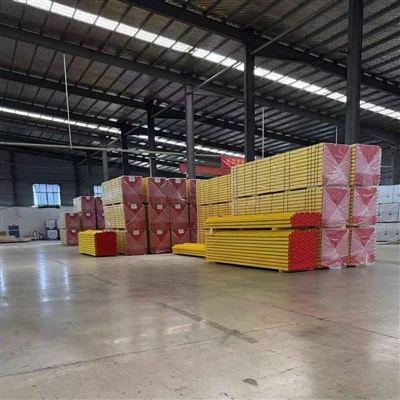
Structural plywood is sensitive to moisture. Store it in a dry, well-ventilated area, away from direct contact with the ground. It is recommended that it be elevated and covered with a waterproof sheet. Prolonged exposure to moisture can cause the board to swell, deform, and even cause the adhesive layer to fail. Therefore, the construction site should be kept as dry as possible.
4. Proper Cutting and Processing
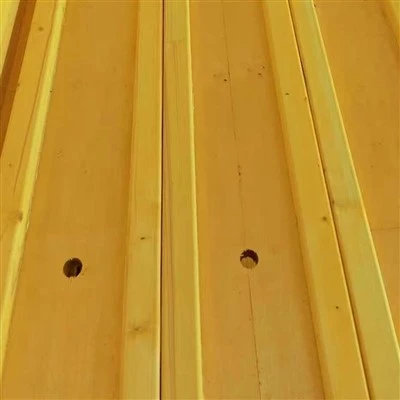
When cutting plywood, use sharp tools (such as circular saws or electric saws) to avoid saw teeth that tear the fibers and compromise structural strength. Minimize edge damage during processing and pre-drill holes where bolts are required to prevent cracking.
5. Proper Fixing and Connections
During installation, use appropriate connection methods, such as nailing, screwing, or structural adhesive. If used in load-bearing structures, ensure that the connection points are secure and meet engineering design requirements. Avoid relying solely on glue, especially under dynamic loads.
6. Avoid Overloading
Structural plywood has a load-bearing limit and should not be used beyond its design load. For example, when used as a floor slab, uniformly distributed and concentrated loads must be calculated to prevent deformation or fracture due to overloading.

7. Regular Inspection and Maintenance
Structural plywood used for a long period of time should be regularly inspected for signs of deformation, looseness, or moisture. If any abnormalities are found, they should be promptly reinforced or replaced to ensure structural safety.
8. Environmental and Safety Considerations
Choose plywood that meets environmental standards for low formaldehyde emissions (such as E1 or E0 grades), especially for indoor use, to reduce the impact of harmful gases on human health. Wear protective gloves and a mask during construction to avoid irritation to the skin or respiratory tract from wood dust and glue.
Proper use and maintenance of structural plywood not only extends its lifespan but also ensures the safety and stability of the project. Following the above precautions can effectively maximize its performance advantages and avoid potential risks.