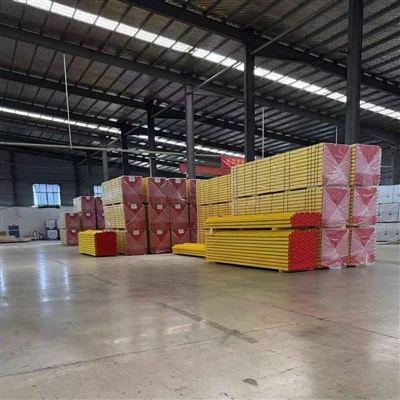
Structural plywood is a high-performance engineering material widely used in buildings, bridges, ships, and transportation. Its excellent mechanical properties and durability make it a crucial component of modern engineering structures. The composition of structural plywood involves multiple key steps, including raw material selection, adhesive application, lamination, and post-processing. Each step significantly impacts the strength, stability, and service life of the final product.
First, structural plywood is typically made from high-quality woods such as birch, fir, pine, or tropical hardwoods. These woods have high density and uniform grain, providing excellent mechanical properties. Before processing, the wood must be dried to maintain a moisture content between 8% and 12% to prevent deformation or cracking of the plywood due to moisture fluctuations. After drying, the wood is cut into veneers of a specific thickness, typically 1.5 to 4 mm. The uniformity of the veneer thickness directly affects the overall strength of the plywood.
Second, the choice of adhesive is a core step in the manufacture of structural plywood. Commonly used adhesives include phenolic resin (PF), urea-formaldehyde resin (UF), and melamine-modified adhesive (MUF). Phenolic resin is the preferred choice for structural plywood due to its excellent water resistance and high-temperature resistance. The adhesive must be evenly applied to the veneer surface, typically at a rate of 150-300 g/m2, to ensure sufficient bond strength. Modern production processes often utilize automated adhesive application equipment to improve adhesive distribution and production efficiency.
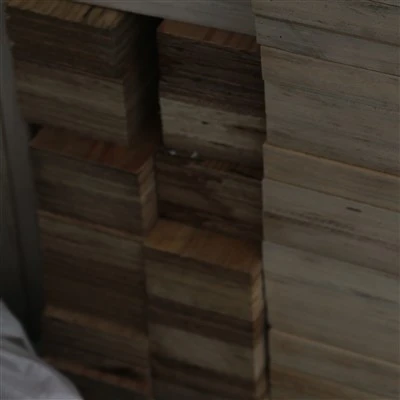
In the lamination process, veneers are stacked in a staggered pattern, typically with an odd number of layers (such as 3, 5, or 7) to ensure balanced mechanical properties in all directions. During the lamination process, the veneers are pressed under high temperature (100-150°C) and high pressure (0.8-1.5 MPa) to fully cure the adhesive and form a stable interlaminar bond. The pressing time varies depending on the adhesive type and the thickness of the veneer, typically ranging from several minutes to several dozen minutes.
Finally, after pressing, structural plywood requires post-processing, including trimming, sanding, and inspection. Trimming ensures accurate board dimensions, while sanding improves surface flatness for subsequent processing or painting. Inspection includes strength testing, water resistance assessment, and visual inspection to ensure compliance with relevant standards (such as BS EN 314 or ASTM D5456).
In summary, the construction of structural plywood is a sophisticated and systematic process involving the coordinated optimization of material science, adhesive technology, and manufacturing processes. Through rigorous quality control, structural plywood meets the high strength, durability, and environmental requirements of modern engineering, becoming an indispensable structural material.