Hey there! As a supplier of Natural Color LVL Lumber Hardwood, I often get asked about safety precautions when using this awesome material. So, I thought I'd share some insights to help you use it safely and effectively.


Understanding Natural Color LVL Lumber Hardwood
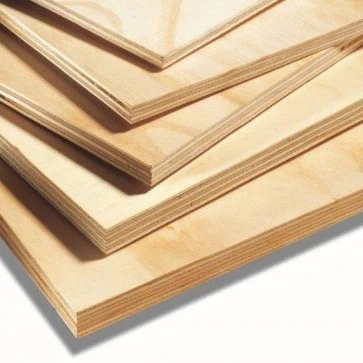
First off, let's talk a bit about what Natural Color LVL Lumber Hardwood is. LVL stands for Laminated Veneer Lumber. It's made by bonding multiple thin layers of hardwood veneers together with adhesives under heat and pressure. This process creates a strong, stable, and dimensionally consistent product that's great for a wide range of applications, from construction to furniture making.
The natural color of the hardwood gives it a warm, inviting look that can enhance the aesthetic appeal of any project. And because it's made from real wood, it has a natural beauty that synthetic materials just can't match.
Safety Precautions During Handling
When it comes to handling Natural Color LVL Lumber Hardwood, there are a few things you need to keep in mind.
Proper Lifting Techniques
LVL lumber can be heavy, especially in larger sizes. So, it's important to use proper lifting techniques to avoid back injuries. Bend your knees, keep your back straight, and lift with your legs. If the piece is too heavy to lift on your own, use a forklift or other lifting equipment.
Wear Protective Gear
Always wear appropriate protective gear when handling LVL lumber. This includes safety glasses to protect your eyes from flying debris, gloves to protect your hands from splinters and cuts, and steel-toed boots to protect your feet from heavy objects.
Avoid Overloading
Don't overload your storage racks or vehicles when transporting LVL lumber. Make sure the weight is evenly distributed and that the load is properly secured to prevent it from shifting or falling.
Safety Precautions During Cutting and Machining
Cutting and machining LVL lumber can generate dust and other hazards, so it's important to take extra precautions.
Use the Right Tools
Make sure you're using the right tools for the job. Use sharp blades and bits to ensure clean cuts and reduce the risk of kickback. And always follow the manufacturer's instructions when using power tools.
Dust Collection
LVL lumber can produce a lot of dust when cut or machined. This dust can be harmful if inhaled, so it's important to use a dust collection system to capture the dust at the source. You can also wear a dust mask to protect your lungs.
Fire Safety
LVL lumber is a combustible material, so it's important to take fire safety precautions when cutting and machining it. Keep a fire extinguisher nearby and make sure the work area is well-ventilated to prevent the buildup of flammable dust.
Safety Precautions During Installation
Installing LVL lumber requires careful attention to detail to ensure a safe and secure installation.
Follow Building Codes
Make sure you're following all local building codes and regulations when installing LVL lumber. This includes using the right fasteners, spacing the lumber correctly, and providing adequate support.
Secure the Lumber
When installing LVL lumber, make sure it's properly secured to prevent it from shifting or falling. Use nails, screws, or other fasteners that are appropriate for the application.
Check for Damage
Before installing LVL lumber, inspect it for any signs of damage, such as cracks, splits, or warping. If you find any damage, don't use the lumber. Instead, contact your supplier for a replacement.
Safety Precautions for Storage
Proper storage of LVL lumber is essential to maintain its quality and safety.
Keep it Dry
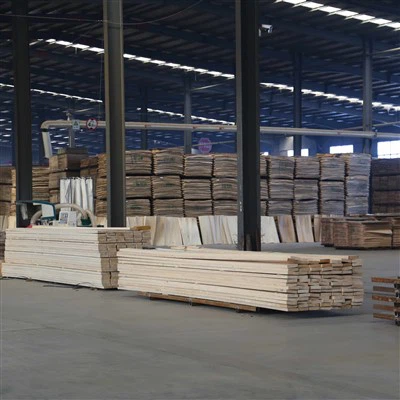
LVL lumber is sensitive to moisture, so it's important to keep it dry. Store it in a dry, well-ventilated area away from sources of moisture, such as rain, snow, or groundwater.
Protect it from the Elements
If you need to store LVL lumber outdoors, cover it with a waterproof tarp to protect it from the elements. Make sure the tarp is securely fastened to prevent it from blowing off.
Stack it Properly
When stacking LVL lumber, make sure the stacks are stable and evenly balanced. Use spacers between the layers to allow for air circulation and prevent warping.
Benefits of Using Our Natural Color LVL Lumber Hardwood
Now that we've covered the safety precautions, let me tell you about some of the benefits of using our Natural Color LVL Lumber Hardwood.
High Quality
Our LVL lumber is made from high-quality hardwood veneers that are carefully selected for their strength and durability. It's also National Standard Certified LVL Structural Timber, which means it meets strict industry standards for quality and performance.
Easy to Process
Our LVL lumber is Easy-to-process LVL Billets, which means it can be cut, drilled, and machined with ease. This makes it a great choice for a wide range of applications, from DIY projects to large-scale construction projects.
Environmentally Friendly
Our LVL lumber is LVL Green Material Certification, which means it's made from sustainable materials and is environmentally friendly. By choosing our LVL lumber, you can reduce your carbon footprint and contribute to a more sustainable future.
Contact Us for More Information
If you're interested in using our Natural Color LVL Lumber Hardwood for your next project, or if you have any questions about safety precautions or other aspects of our product, please don't hesitate to contact us. We're here to help you make the most of our high-quality LVL lumber and ensure a safe and successful project.
References
- American Wood Council. (2018). National Design Specification for Wood Construction.
- Occupational Safety and Health Administration. (2023). Woodworking Safety.
- Forest Stewardship Council. (2023). What is FSC Certification?