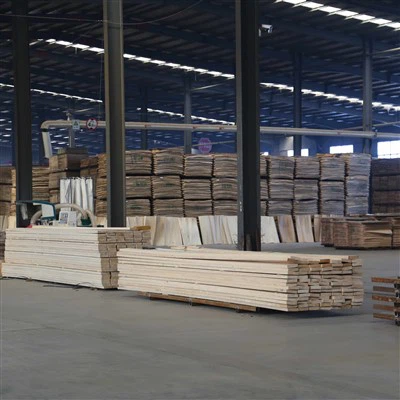
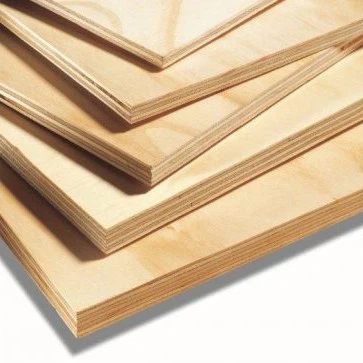
Hey there! I'm a supplier for an LVL wood factory, and I've been thinking a lot about how we can improve the work environment in these places. LVL, or Laminated Veneer Lumber, is a super - useful material. You might know about Stabilized Substrate LVL Wood, High Strength LVL Timbers for Pallets, and Natural Color LVL Lumber Hardwood. But let's focus on making the factory where this awesome wood gets made a better place to work.
Safety First
Safety should always be the top priority in any factory, and an LVL wood factory is no exception. First off, proper training is crucial. All employees need to be well - versed in how to use the machinery. For example, the saws used to cut the LVL wood can be extremely dangerous if not handled correctly. Regular safety training sessions should be held, and these shouldn't be just a one - time thing. New employees should get a comprehensive orientation, and existing workers should have refresher courses every few months.
Another important aspect is the use of personal protective equipment (PPE). Workers should be provided with safety goggles to protect their eyes from flying wood chips, earplugs to block out the loud noise from the machines, and hard hats to prevent head injuries. The factory should also have a strict policy about wearing PPE at all times in the work area.
The layout of the factory also plays a big role in safety. There should be clear walkways marked out to prevent workers from getting in the way of moving machinery. Storage areas for the LVL wood should be organized so that there's no risk of stacks falling over. And emergency exits should be clearly marked and unobstructed at all times.
Air Quality
The process of making LVL wood involves cutting, sanding, and gluing, which can release a lot of dust and fumes into the air. Poor air quality can lead to respiratory problems for the workers. To tackle this, the factory needs to install high - quality ventilation systems. Exhaust fans can be used to remove the dust and fumes directly at the source, like near the cutting and sanding machines.
Air purifiers can also be placed throughout the factory to clean the air. These should be regularly maintained to ensure they're working efficiently. And the factory should use low - VOC (volatile organic compound) glues whenever possible. VOCs are harmful chemicals that can be released into the air, and using low - VOC glues can significantly reduce the amount of toxic fumes in the workplace.
Ergonomics
Many jobs in an LVL wood factory involve repetitive tasks, like lifting and moving the wood. This can lead to musculoskeletal disorders if the workstations aren't set up properly. For example, tables and workbenches should be at the right height so that workers don't have to bend or stretch too much. Chairs should be adjustable and provide good back support if workers are doing tasks that require sitting.
The machinery should also be easy to operate and not require excessive force. For instance, the controls for the saws and presses should be within easy reach and not too difficult to use. And if workers are doing a lot of lifting, there should be equipment like forklifts or hoists available to reduce the physical strain.
Lighting
Good lighting is essential in an LVL wood factory. Workers need to be able to see clearly what they're doing, especially when it comes to tasks like cutting and inspecting the wood. Natural light is always the best option, so the factory should have as many windows as possible. But in areas where natural light is limited, artificial lighting should be installed.
The lighting should be bright enough but not too harsh. LED lights are a great choice because they're energy - efficient and can provide a good quality of light. And the lighting should be evenly distributed throughout the factory to avoid any dark spots where accidents could happen.
Employee Engagement
A positive work environment isn't just about the physical conditions; it's also about the people. Employers should encourage employee engagement. This can be done by having regular team meetings where workers can share their ideas and concerns. For example, workers might have some great suggestions on how to improve the production process or make the work area safer.
The factory can also organize social events outside of work hours, like picnics or sports days. This helps to build a sense of community among the workers and makes the workplace a more pleasant place to be. And employers should recognize and reward workers for their hard work. This could be in the form of bonuses, promotions, or even just a simple "thank you."
Work - Life Balance
In an LVL wood factory, it's easy for workers to get burned out, especially during busy periods. To prevent this, employers should try to provide a good work - life balance. This could mean offering flexible working hours, if possible. For example, some workers might prefer to start work a bit earlier and finish earlier, while others might want a later start.
The factory could also offer paid time off for holidays and sick leave. This gives workers the chance to rest and recharge, which in turn makes them more productive when they're back at work. And employers should make sure that they don't overload workers with too many tasks, as this can lead to stress and a decrease in the quality of work.
Cost - Benefit Analysis
Some of these improvements might seem expensive at first glance. But we need to look at the long - term benefits. For example, investing in better safety equipment and training can reduce the number of workplace accidents. Fewer accidents mean less time off work for injured employees, less money spent on medical bills and compensation, and a better reputation for the factory.


Improving air quality can also lead to healthier workers. When workers are healthy, they're less likely to take sick days, and their productivity will increase. And ergonomic improvements can reduce the risk of musculoskeletal disorders, which can save the factory money in the long run by avoiding costly workers' compensation claims.
Conclusion
Improving the work environment in an LVL wood factory is not only the right thing to do; it also makes good business sense. By focusing on safety, air quality, ergonomics, lighting, employee engagement, and work - life balance, we can create a workplace where workers are happy, healthy, and productive.
If you're interested in our LVL wood products or want to discuss how we can work together to improve your factory's work environment, feel free to reach out for a procurement discussion. We're always looking for ways to collaborate and make the industry better.
References
- Occupational Safety and Health Administration (OSHA) guidelines on factory safety.
- Research on the effects of air quality on worker health in industrial settings.
- Studies on ergonomics in manufacturing workplaces.