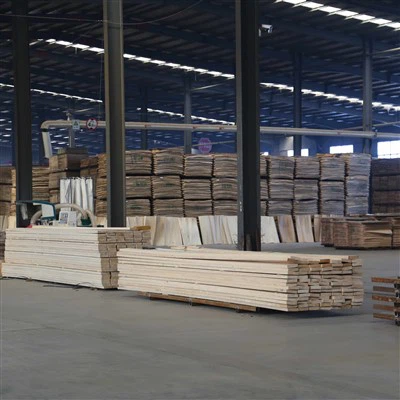
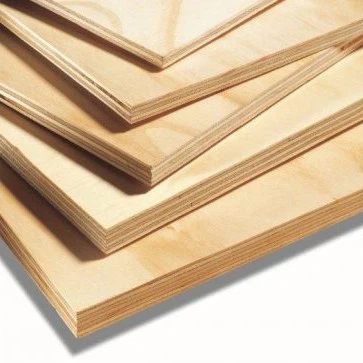
Light - weight wood board formwork is a popular choice in the construction industry due to its numerous advantages. As a supplier of Light - weight Wood Board formwork, I often get asked about what kinds of wood are used to make these formworks. In this blog, I'll go through the common types of wood used and their features.
First off, let's talk a bit about Light - weight Wood Board formwork itself. It's an essential part of construction projects, helping to shape concrete structures. It's especially great because it's light, easy to handle, and reusable. If you want to know more about our Light - weight Wood Board formwork, you can check out Light - weight Wood Board formwork.
Pine Wood
Pine is one of the most commonly used woods for light - weight wood board formwork. It's widely available and relatively inexpensive. Pine grows in many regions around the world, which means it's easy to source.
One of the great things about pine is its straight grain. This makes it easy to work with when manufacturing the formwork. The straight grain also contributes to the overall strength and stability of the formwork. Pine formwork can withstand the pressure of the wet concrete during the pouring process without easily warping or breaking.
For example, in a small - scale residential construction project where cost is a major concern, pine formwork can be a great option. It provides a good balance between cost and performance. However, pine has its limitations. It's not as durable as some other woods. It can be more prone to getting damaged by moisture over time, especially if it's not properly treated. So, in some construction sites where the formwork will be exposed to a lot of water, additional waterproofing treatments are needed.
Poplar Wood
Poplar is another wood type that's frequently used in light - weight wood board formwork. Poplar trees grow relatively fast, which makes the wood a sustainable choice. It's also very light, which is a huge advantage when it comes to handling and transporting the formwork.


The texture of poplar wood is fine and even. This results in a smooth surface on the formwork, which in turn can give the concrete a better finish. When the concrete is poured and then removed from the poplar formwork, the surface is likely to be more uniform and less likely to have rough patches.
In high - rise building construction where the formwork needs to be moved up and down multiple times, the light weight of poplar formwork is a real plus. Workers can handle it more easily, which can improve the efficiency of the construction process. However, poplar is not as strong as some hardwoods. It may not be suitable for very large - scale or high - pressure construction projects.
Bamboo
Bamboo is an interesting option for light - weight wood board formwork. Technically, bamboo is a grass, but it's often used in the same way as wood in construction. Bamboo is incredibly strong for its weight. It has a high strength - to - weight ratio, which makes it ideal for formwork.
Bamboo grows very quickly, sometimes up to a few feet in a day. This makes it a highly sustainable material. It can be harvested in a relatively short time, and new bamboo can regrow rapidly.
Bamboo formwork is also resistant to pests and fungi to some extent. This means it can last longer in different construction environments. For example, in tropical regions where there's a lot of humidity and the risk of pests is high, bamboo formwork can be a reliable choice. You can also find related products like Film Faced Shuttering Plywood for Construction for similar construction needs.
Fir Wood
Fir wood is known for its natural strength and durability. It has a tight grain structure that makes it resistant to splitting and cracking. This is important in formwork because the formwork needs to hold up under the pressure of the wet concrete.
Fir formwork can be used in a wide range of construction projects, from small - scale building work to large infrastructure projects. It can withstand heavy loads and has a long service life.
However, fir is more expensive than some of the other woods mentioned above. Its higher cost is due to its quality and the fact that it takes longer to grow. But for construction projects where quality and durability are top priorities, the investment in fir formwork can be worth it. You might also be interested in Easy - to - release Construction Formwork Plywood, which can work well in combination with different types of wood formwork.
Selecting the Right Wood
When choosing the wood for light - weight wood board formwork, several factors need to be considered. The first is the nature of the construction project. If it's a small, short - term project, cost - effective options like pine or poplar might be the way to go. For large - scale, long - term projects, more durable woods like fir or bamboo could be more suitable.
The environmental conditions at the construction site also play a role. If the site is wet or humid, woods that are more resistant to moisture, such as properly treated pine or bamboo, should be used.
Another important factor is the budget. Different woods come at different price points, and it's important to balance the quality and the cost according to the project's financial constraints.
As a supplier of Light - weight Wood Board formwork, I'm here to help you make the right choice. We have a wide range of formwork options made from different woods to meet your specific needs. Whether you're working on a small home renovation or a large commercial building, we can provide you with the right formwork solution.
If you're interested in purchasing our light - weight wood board formwork or have any questions about the wood types, feel free to reach out. We're more than happy to have a chat and discuss your requirements. We can offer you professional advice and negotiate the best deal for your construction project.
In conclusion, the choice of wood for light - weight wood board formwork depends on various factors. Each type of wood has its own pros and cons, and by considering your project's specific needs, you can select the most suitable formwork.
References
- Construction Materials Handbook: General construction resources that cover different types of wood and their applications in construction.
- Wood Technology Publications: Articles and research on the properties and uses of different woods in formwork production.