Can light - weight wood board formwork be used in seismic - prone areas?
As a supplier of Light - weight Wood Board formwork, I've often been asked whether our product is suitable for use in seismic - prone areas. This is a crucial question, considering the potential risks and the need for reliable construction materials in such regions. In this blog, I'll delve into the factors that determine the viability of using light - weight wood board formwork in areas prone to earthquakes.
Understanding Light - weight Wood Board Formwork
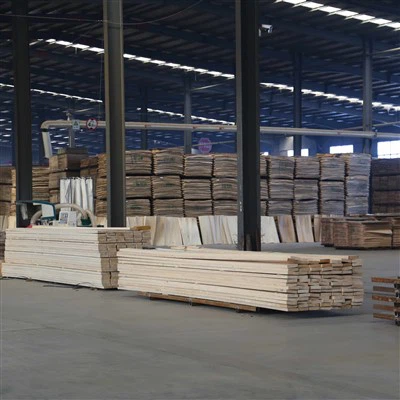
Light - weight Wood Board formwork is a popular choice in the construction industry due to its numerous advantages. Light - weight Wood Board formwork offers a combination of strength and low weight, making it easy to handle and install. It is also cost - effective, which is a significant factor in large - scale construction projects.


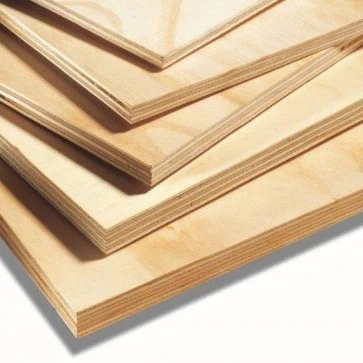
These formworks are typically made from high - quality wood materials that are engineered to provide the necessary support and stability during the concrete pouring process. They come in various sizes and thicknesses, allowing for flexibility in different construction applications.
Seismic Considerations
Earthquakes pose a unique set of challenges to construction structures. The ground motion during an earthquake can subject buildings to significant lateral forces, which can cause structural damage or even collapse. When considering the use of light - weight wood board formwork in seismic - prone areas, several key factors need to be evaluated.
Structural Integrity
One of the primary concerns is the ability of the formwork to withstand the seismic forces. Light - weight wood board formwork has certain inherent properties that can contribute to its performance in an earthquake. Wood is a natural material with some degree of flexibility, which can help it absorb and dissipate seismic energy. However, the overall structural integrity of the formwork system depends on its design and installation.
A well - designed light - weight wood board formwork system should be able to transfer the loads from the concrete to the supporting structure in a controlled manner. This requires proper bracing and connection details to ensure that the formwork remains stable during seismic events. For example, using strong connectors and diagonal bracing can enhance the lateral stability of the formwork.
Compatibility with Concrete
The interaction between the light - weight wood board formwork and the concrete is also crucial. The formwork should be able to provide adequate support for the concrete during the curing process, especially when subjected to seismic forces. If the formwork fails to support the concrete properly, it can lead to cracking or other forms of damage in the concrete structure.
On the other hand, the concrete should not cause excessive stress on the formwork. The weight and pressure of the concrete, combined with the seismic forces, need to be carefully considered to ensure that the formwork can withstand the load without failure.
Durability
In seismic - prone areas, the durability of the formwork is essential. Earthquakes can cause repeated cycles of stress on the formwork, which can lead to fatigue and degradation over time. Light - weight wood board formwork should be made from high - quality materials that can resist moisture, rot, and other environmental factors that can weaken the formwork.
Regular inspection and maintenance of the formwork are also necessary to ensure its long - term durability. Any signs of damage or wear should be addressed promptly to prevent further deterioration.
Case Studies and Research
There have been several case studies and research projects conducted on the use of light - weight wood board formwork in seismic - prone areas. Some studies have shown that when properly designed and installed, light - weight wood board formwork can perform well in earthquake - affected regions.
For example, in a research project conducted in a seismic - active region, a light - weight wood board formwork system was used in the construction of a multi - story building. The formwork was designed with appropriate bracing and connection details to withstand the expected seismic forces. During a subsequent earthquake, the formwork remained intact, and the concrete structure showed minimal damage.
However, it's important to note that these results are not universal, and the performance of light - weight wood board formwork can vary depending on the specific site conditions, the design of the formwork system, and the magnitude of the earthquake.
Comparison with Other Formwork Materials
When considering the use of light - weight wood board formwork in seismic - prone areas, it's also useful to compare it with other formwork materials. For example, Black Shuttering Plywood for Construction and Film Faced Shuttering Plywood for Construction are also commonly used in the construction industry.
Steel formwork is known for its high strength and rigidity, which can provide excellent resistance to seismic forces. However, it is also heavier and more expensive than light - weight wood board formwork. Aluminum formwork is another option, which offers a good balance between strength and weight. But it may require more specialized installation and maintenance.
Light - weight wood board formwork, on the other hand, offers a cost - effective and easy - to - handle alternative. While it may not have the same level of strength as steel or aluminum formwork, its flexibility and natural properties can make it a viable option in certain seismic - prone construction projects.
Conclusion
In conclusion, light - weight wood board formwork can be used in seismic - prone areas, but it requires careful consideration and proper design. The formwork should be designed to withstand the seismic forces, provide adequate support for the concrete, and have sufficient durability.
By following best practices in formwork design and installation, and by conducting thorough site - specific evaluations, it is possible to use light - weight wood board formwork safely and effectively in earthquake - prone regions.
If you are involved in a construction project in a seismic - prone area and are considering using light - weight wood board formwork, I encourage you to reach out to discuss your specific requirements. Our team of experts can provide you with detailed information and guidance on the best formwork solutions for your project. We are committed to helping you achieve a successful and safe construction outcome.
References
- "Seismic Design of Wood Structures" by American Wood Council
- "Construction Formwork and Scaffolding for Buildings" by Edward G. Nawy
- Various research papers on the performance of formwork materials in seismic events published in construction - related journals.