Can stable structural plywood floor panels be used in cold climates?
As a supplier of Stable Structural Plywood Floor Panels, I often receive inquiries from customers about the suitability of our products in various environmental conditions, especially in cold climates. This blog post aims to delve into the question of whether our stable structural plywood floor panels can be effectively used in cold climates, exploring the scientific and practical aspects of this issue.
Understanding Stable Structural Plywood Floor Panels
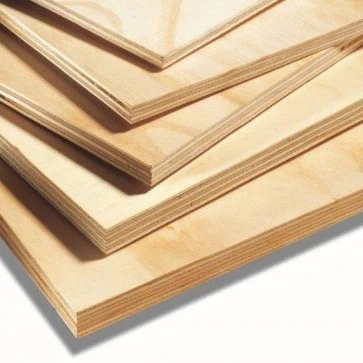
Before discussing their performance in cold climates, it's essential to understand what stable structural plywood floor panels are. These panels are engineered to provide a strong and reliable base for flooring applications. They are typically made by bonding multiple layers of wood veneers together with adhesives, with the grain of each layer oriented perpendicular to the adjacent ones. This cross - grain construction enhances the panel's strength, stiffness, and dimensional stability.
Our stable structural plywood floor panels are manufactured to high standards, ensuring consistent quality and performance. They are designed to withstand heavy loads, resist warping and cracking, and provide a smooth and level surface for various types of flooring materials, such as hardwood, carpet, or tile.
The Impact of Cold Climates on Plywood
Cold climates present unique challenges for building materials, including plywood. One of the primary concerns is the effect of low temperatures on the physical and mechanical properties of the wood and the adhesives used in the plywood.
-
Thermal Contraction
Wood is a hygroscopic material, which means it absorbs and releases moisture depending on the relative humidity of the surrounding environment. In cold climates, the air is generally drier, and the wood in the plywood may lose moisture, causing it to contract. This contraction can lead to gaps between the plywood panels, which may affect the integrity of the floor and the appearance of the finished flooring. -
Brittleness
Low temperatures can also make the wood and adhesives more brittle. The reduced flexibility of the materials increases the risk of cracking or splitting, especially when the panels are subjected to stress, such as foot traffic or the weight of furniture. -
Moisture and Frost
In cold climates, there is a higher risk of moisture accumulation, such as frost or snow. If the plywood is exposed to moisture and then freezes, the expansion of the water as it turns to ice can cause damage to the wood fibers and the adhesive bonds. This can lead to delamination, where the layers of the plywood separate from each other.
How Our Stable Structural Plywood Floor Panels Perform in Cold Climates
Despite the challenges posed by cold climates, our stable structural plywood floor panels are designed to perform well in these conditions.
-
Dimensional Stability
We use advanced manufacturing techniques and high - quality wood veneers to ensure excellent dimensional stability. Our panels are pre - conditioned to a specific moisture content before installation, which helps to minimize the effects of moisture changes in the environment. Additionally, the cross - grain construction of the plywood provides inherent resistance to warping and shrinking, reducing the likelihood of gaps forming between the panels. -
High - Quality Adhesives
The adhesives used in our plywood are specifically formulated to withstand a wide range of temperatures, including cold conditions. They have excellent bonding strength and flexibility, which helps to prevent cracking and delamination even in low - temperature environments. -
Moisture Resistance
Our stable structural plywood floor panels are treated with moisture - resistant coatings or chemicals to protect them from moisture damage. This treatment helps to prevent the absorption of water and reduces the risk of frost damage, ensuring the long - term durability of the panels in cold climates.
Case Studies and Real - World Applications
We have numerous case studies of our stable structural plywood floor panels being used successfully in cold climates. For example, in a residential project in a northern region with harsh winters, our panels were installed as the subfloor for a hardwood floor. Despite the extreme temperature fluctuations and the dry winter air, the panels remained stable, and the hardwood floor maintained its appearance and integrity over several years.
In another commercial project, our plywood was used in a warehouse in a cold climate. The panels were able to withstand the heavy loads of forklifts and storage equipment, and there were no signs of damage or deterioration due to the cold temperatures.


Additional Considerations for Cold Climate Installations
While our stable structural plywood floor panels are suitable for cold climates, there are some additional considerations for installation to ensure optimal performance.
-
Proper Installation
It is crucial to follow the manufacturer's installation guidelines carefully. This includes ensuring that the subfloor is level, clean, and dry before installation. The panels should be installed with the appropriate spacing to allow for expansion and contraction, and the joints should be properly sealed to prevent moisture ingress. -
Insulation
Adding insulation beneath the plywood panels can help to regulate the temperature and reduce the impact of cold air on the wood. Insulation also helps to improve the energy efficiency of the building and provides additional soundproofing. -
Humidity Control
Maintaining a stable humidity level in the building can help to minimize the moisture - related issues associated with cold climates. This can be achieved through the use of humidifiers or dehumidifiers, depending on the specific conditions.
Conclusion
In conclusion, our stable structural plywood floor panels can be effectively used in cold climates. Through advanced manufacturing techniques, high - quality materials, and proper installation and maintenance, our panels are designed to withstand the challenges posed by low temperatures, moisture, and frost.
If you are considering using stable structural plywood floor panels for your project in a cold climate, we encourage you to contact us to discuss your specific requirements. Our team of experts is available to provide you with detailed information, technical support, and product samples.
We also offer a range of related products, such as Eco Friendly Structural Plywood for Furnish, CDX Pine Structural Plywood for Exterior Roofing Usage, and High Standard Structural Plywood Size. These products are also designed to meet the highest standards of quality and performance in various applications.
References
- Forest Products Laboratory. (2010). Wood Handbook: Wood as an Engineering Material. USDA Forest Service.
- ASTM International. (2021). Standard Specification for Structural Plywood. ASTM D350.
- Simpson, W. T. (2017). Wood Engineering and Construction Handbook. McGraw - Hill Education.