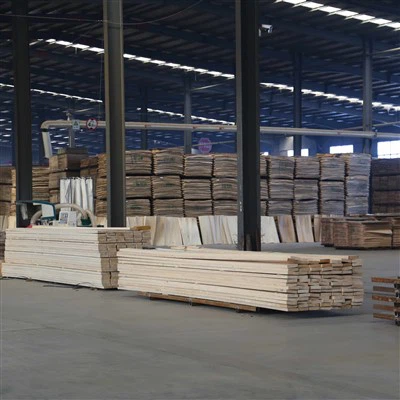
As a supplier of Stable Structural Plywood Floor Panels, I often get asked whether our products can be used in pool houses. This is a valid question considering the unique environment of pool houses, which are exposed to high levels of moisture, humidity, and occasional chemical exposure from pool treatments. In this blog post, I'll explore the feasibility of using our stable structural plywood floor panels in pool houses, taking into account the material's properties, potential challenges, and best practices for installation and maintenance.
Understanding the Properties of Stable Structural Plywood Floor Panels
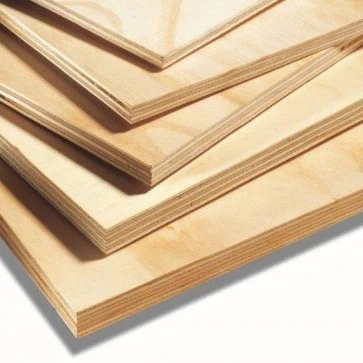
Stable structural plywood floor panels are engineered to provide exceptional strength and stability. They are typically made from multiple layers of wood veneers glued together with the grain of each layer running perpendicular to the adjacent ones. This cross - grain construction gives the plywood its strength, stiffness, and resistance to warping and splitting.
One of the key advantages of our stable structural plywood floor panels is their high load - bearing capacity. They can support heavy furniture, equipment, and foot traffic commonly found in pool houses. Additionally, the panels are designed to be dimensionally stable, meaning they maintain their shape and size even under varying environmental conditions.
However, the plywood's natural wood composition makes it susceptible to moisture absorption. If left unprotected, prolonged exposure to water can cause the wood to swell, rot, and lose its structural integrity. This is a major concern in pool house environments where moisture levels are consistently high.
Challenges in Using Plywood in Pool Houses
The primary challenge of using stable structural plywood floor panels in pool houses is the moisture issue. Pool houses are constantly exposed to water from splashes, evaporation, and humidity. When the plywood absorbs moisture, it can lead to a range of problems:
- Warping and Buckling: As the wood absorbs water, it expands. If the expansion is uneven, the plywood can warp or buckle, creating an uneven surface that is not only unsightly but also a safety hazard.
- Rot and Decay: Moisture provides an ideal environment for fungi and bacteria to grow. Over time, these microorganisms can cause the wood to rot, weakening the structural integrity of the floor panels.
- Mold and Mildew Growth: In addition to rot, high moisture levels can lead to the growth of mold and mildew on the surface of the plywood. This not only looks unappealing but can also pose health risks to the occupants of the pool house.
Another challenge is the potential exposure to pool chemicals. Chlorine and other chemicals used to treat pool water can be corrosive to wood. If these chemicals come into contact with the plywood, they can damage the wood fibers and reduce the panel's strength.
Solutions and Best Practices
Despite the challenges, it is possible to use stable structural plywood floor panels in pool houses effectively by taking the following precautions:


Moisture Protection
- Sealing: Before installation, it is crucial to seal the plywood with a high - quality waterproof sealant. There are various types of sealants available, including epoxy, polyurethane, and silicone - based products. These sealants create a barrier that prevents water from penetrating the wood.
- Vapor Barrier: Installing a vapor barrier beneath the plywood can also help reduce moisture absorption. A vapor barrier is a plastic sheet that blocks the passage of water vapor from the ground or the sub - floor into the plywood.
Chemical Resistance
- Coating: Applying a chemical - resistant coating to the plywood can protect it from the corrosive effects of pool chemicals. Some coatings are specifically designed to withstand exposure to chlorine and other common pool chemicals.
- Proper Ventilation: Good ventilation in the pool house can help reduce the concentration of pool chemicals in the air. This can be achieved through the use of exhaust fans, windows, and vents.
Installation and Maintenance
- Proper Installation: Ensure that the plywood is installed correctly, with proper spacing between the panels to allow for expansion. Leave a small gap around the perimeter of the room to accommodate any movement.
- Regular Maintenance: Regularly inspect the plywood for signs of moisture damage, rot, or mold. Clean the floor regularly to remove any dirt, debris, or chemical residues. If any damage is detected, repair or replace the affected panels immediately.
Benefits of Using Stable Structural Plywood Floor Panels in Pool Houses
Despite the challenges, there are several benefits to using stable structural plywood floor panels in pool houses:
- Cost - Effective: Plywood is generally more affordable than other flooring materials such as stone or tile. This makes it a budget - friendly option for pool house construction or renovation.
- Easy to Install: Plywood panels are relatively easy to install, especially compared to more complex flooring materials. This can save time and labor costs during the construction process.
- Customizable: Plywood can be cut and shaped to fit the specific dimensions and layout of the pool house. It can also be finished with a variety of stains, paints, or coatings to match the desired aesthetic.
Related Products
If you are considering using plywood in your pool house, we also offer related products that can enhance the performance and durability of your flooring. Check out our High - Strength Structural Plywood Roof Base, which is designed to provide excellent strength and stability for roofing applications. Our CDX Pine Structural Plywood for Exterior Roofing Usage is another great option for outdoor projects, including pool houses. And for formwork applications, our Anticorrosive Structural Plywood Lumber for Formwork offers corrosion resistance and high load - bearing capacity.
Conclusion
In conclusion, stable structural plywood floor panels can be used in pool houses, but it is essential to take the necessary precautions to protect them from moisture and chemical damage. By sealing the plywood, installing a vapor barrier, and providing proper ventilation, you can ensure that the floor panels remain stable and durable for years to come.
If you are interested in purchasing our stable structural plywood floor panels or have any questions about using them in your pool house, please feel free to contact us for a consultation. We are here to help you make the best choice for your project.
References
- Forest Products Laboratory. (2010). Wood Handbook: Wood as an Engineering Material. U.S. Department of Agriculture, Forest Service.
- ASTM International. (2019). Standard Specifications for Structural Plywood. ASTM D3500.
- Building Science Corporation. (2015). Moisture Control in Buildings.