Hey there! I'm a supplier of laminated veneer lumber (LVL) headers, and I know firsthand how frustrating it can be when these headers start to crack. Cracking not only affects the aesthetic appeal of your construction project but also compromises the structural integrity of the LVL headers. In this blog post, I'll share some practical tips on how to prevent cracking in LVL headers, based on my experience in the industry.
Understanding the Causes of Cracking in LVL Headers
Before we dive into the prevention strategies, it's important to understand why LVL headers crack in the first place. There are several factors that can contribute to cracking, including:
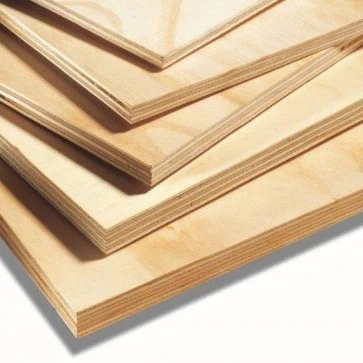
- Moisture Changes: LVL is made from thin layers of wood veneer that are glued together. When the moisture content of the LVL changes, the wood can expand or contract, causing stress on the glue joints and leading to cracking. This is especially common in environments with high humidity or temperature fluctuations.
- Improper Installation: If LVL headers are not installed correctly, they can be subjected to excessive stress, which can cause cracking. For example, if the headers are not properly supported or if they are overloaded, they may crack under the weight.
- Manufacturing Defects: In some cases, cracking may be due to manufacturing defects in the LVL. This can include issues with the glue, the veneer quality, or the pressing process.
Prevention Strategies
Now that we know what causes cracking in LVL headers, let's look at some strategies to prevent it.


1. Control Moisture Levels
One of the most important steps in preventing cracking in LVL headers is to control the moisture levels. Here's how you can do it:
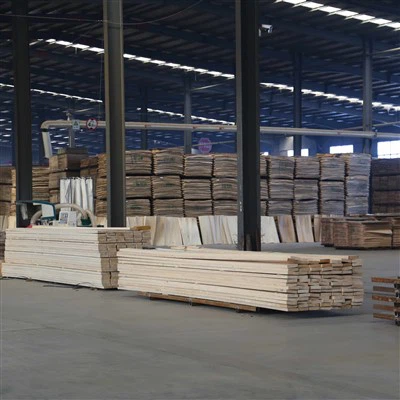
- Store LVL Properly: When storing LVL headers, make sure they are kept in a dry environment. Avoid storing them outdoors or in areas with high humidity. If possible, store the LVL on pallets to keep it off the ground and allow air circulation.
- Acclimate the LVL: Before installing the LVL headers, allow them to acclimate to the environment where they will be installed. This means leaving them in the building for a few days to a week to allow the moisture content to equalize. This can help reduce the stress on the glue joints and prevent cracking.
- Use a Moisture Barrier: In areas with high humidity, consider using a moisture barrier between the LVL headers and the surrounding materials. This can help prevent moisture from reaching the LVL and causing cracking.
2. Ensure Proper Installation
Proper installation is crucial for preventing cracking in LVL headers. Here are some installation tips:
- Follow Manufacturer's Instructions: Always follow the manufacturer's instructions for installing LVL headers. This includes using the correct fasteners, support spacing, and installation techniques.
- Provide Adequate Support: Make sure the LVL headers are properly supported at all times. This may include using columns, beams, or other structural elements to distribute the load evenly. Avoid overloading the headers or subjecting them to excessive stress.
- Check for Alignment: Before installing the LVL headers, make sure they are properly aligned and level. This can help prevent stress on the glue joints and ensure a proper fit.
3. Choose High-Quality LVL
Not all LVL is created equal. Choosing high-quality LVL can help prevent cracking and ensure the long-term performance of your headers. Here's what to look for:
- Reputable Manufacturer: Choose a reputable manufacturer with a proven track record of producing high-quality LVL. Look for manufacturers that use high-quality veneer, glue, and manufacturing processes.
- Certification: Look for LVL that is certified by a recognized organization, such as the American Wood Council (AWC). Certification ensures that the LVL meets certain standards for strength, durability, and performance.
- Inspect the LVL: Before accepting the LVL headers, inspect them carefully for any signs of damage or defects. This includes checking for cracks, knots, or other visible flaws.
4. Consider Reinforcement
In some cases, it may be necessary to reinforce the LVL headers to prevent cracking. This can include using additional fasteners, straps, or other reinforcement materials. Here are some reinforcement options:
- Metal Straps: Metal straps can be used to reinforce the LVL headers and prevent cracking. These straps are typically installed along the edges of the headers and can help distribute the load evenly.
- Additional Fasteners: Using additional fasteners, such as screws or nails, can help reinforce the LVL headers and prevent cracking. Make sure to use the correct type and size of fasteners for the application.
- Composite Reinforcement: Composite reinforcement materials, such as fiberglass or carbon fiber, can also be used to reinforce the LVL headers. These materials are lightweight and strong, and can help improve the performance of the headers.
Our Products
At our company, we offer a range of high-quality LVL headers that are designed to prevent cracking and provide long-term performance. Our Eco Frendliy LVL Headers Beam Load Bearing Supports are made from sustainable materials and are certified by the AWC. They are strong, durable, and resistant to cracking, making them an ideal choice for a variety of construction projects.
We also offer LVL Roof Beams – The Choice For Domes that are specifically designed for use in dome structures. These beams are engineered to provide maximum strength and stability, and are available in a variety of sizes and configurations.
And if you're looking for Trustworthy Laminated Veneer Lumber Headers, look no further. Our headers are manufactured using the latest technology and highest quality materials, and are backed by our commitment to customer satisfaction.
Contact Us
If you're interested in learning more about our LVL headers or have any questions about preventing cracking, please don't hesitate to contact us. We'd be happy to discuss your project requirements and help you choose the right LVL headers for your needs.
References
- American Wood Council. (2018). National Design Specification for Wood Construction.
- Forest Products Laboratory. (2010). Wood Handbook: Wood as an Engineering Material.