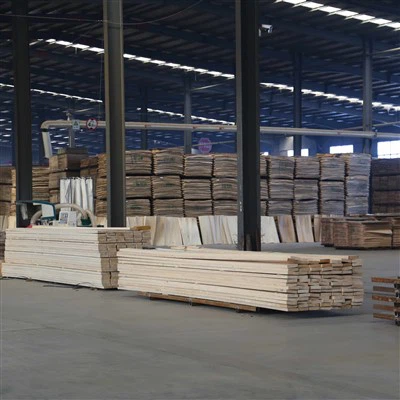
When it comes to constructing balconies, choosing the right columns is crucial, especially in terms of moisture resistance. As a supplier of moisture-resistant balcony LVL (Laminated Veneer Lumber) columns, I've witnessed firsthand the importance of this factor. In this blog, I'll compare moisture-resistant balcony LVL columns to composite columns in terms of moisture resistance, providing insights to help you make an informed decision for your balcony construction project.
Understanding Moisture Resistance in Columns
Moisture can be a balcony column's worst enemy. It can lead to rot, decay, swelling, and a decrease in structural integrity over time. For balcony columns, which are often exposed to the elements, moisture resistance is not just a preference but a necessity.
Moisture-Resistant Balcony LVL Columns
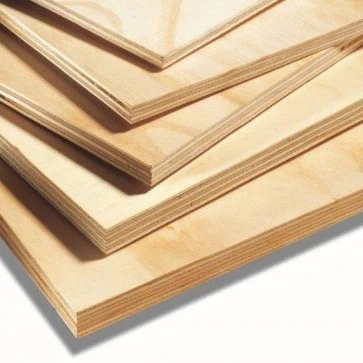
LVL columns are made by bonding multiple thin layers of wood veneers together with adhesives. This manufacturing process creates a strong and stable material. Our moisture-resistant balcony LVL columns are specifically treated to enhance their ability to withstand moisture.
One of the key advantages of LVL columns is their natural wood composition. Wood has a certain degree of breathability, which means it can absorb and release moisture without significant damage. The treatment we apply to our LVL columns further improves this property. It forms a protective barrier on the surface of the columns, preventing excessive moisture from penetrating into the wood.
These columns are also highly customizable. You can visit our website to learn more about LVL Timber With Flexible Customization Production. We can produce LVL columns in various sizes and shapes to meet the specific requirements of your balcony design.
Furthermore, our High Stability Laminated Veneer Lumber Columns are engineered to maintain their shape and strength even in humid conditions. The laminations in the LVL columns distribute stress evenly, reducing the risk of warping or splitting due to moisture absorption.
Composite Columns
Composite columns are typically made from a combination of materials such as wood fibers, plastics, and resins. These materials are often chosen for their durability and low maintenance requirements. Composite columns are designed to be moisture-resistant from the start.
One of the main benefits of composite columns is their high resistance to rot and decay. Since they are not made entirely of wood, they are less susceptible to the fungal and insect damage that can occur with traditional wood columns. Composite columns also do not absorb moisture in the same way as wood, which means they are less likely to swell or warp.
However, composite columns may have some limitations. While they are moisture-resistant, they may not have the same natural aesthetic appeal as wood. The synthetic materials used in composite columns can sometimes look artificial, and it may be more challenging to achieve a natural wood-like finish.
Moisture Resistance Comparison
In terms of moisture resistance, both moisture-resistant balcony LVL columns and composite columns have their strengths.
Initial Moisture Absorption
When exposed to moisture, LVL columns may initially absorb a small amount of water. However, due to their treatment and natural breathability, they can quickly release the moisture back into the environment. Composite columns, on the other hand, have a very low initial moisture absorption rate. They act as a barrier to moisture, preventing it from entering the material.
Long-Term Performance
Over the long term, moisture-resistant balcony LVL columns can maintain their structural integrity if properly maintained. Regular inspections and reapplication of the moisture-resistant treatment can ensure that the columns continue to perform well. Composite columns also have excellent long-term performance. They are less likely to degrade over time due to moisture exposure, but they may require some maintenance to keep their appearance looking good.
Environmental Conditions
The performance of both types of columns can be affected by the environmental conditions. In areas with high humidity or frequent rainfall, both LVL and composite columns need to be well-protected. However, LVL columns may be more suitable for milder climates where the humidity is not extremely high. In very wet or coastal areas, composite columns may have an edge due to their higher resistance to water damage.
Other Considerations
Apart from moisture resistance, there are other factors to consider when choosing between moisture-resistant balcony LVL columns and composite columns.


Cost
LVL columns are generally more cost-effective than composite columns. The raw materials for LVL are relatively inexpensive, and the manufacturing process is well-established. This makes LVL columns a more budget-friendly option for many balcony construction projects. You can find more information about the cost and sizes of our LVL columns on our Size LVL Lumber page.
Aesthetics
As mentioned earlier, LVL columns have a natural wood appearance that many people find attractive. They can be stained or painted to match the overall design of the balcony. Composite columns, while they can be made to look like wood, often have a more artificial appearance.
Installation
Both LVL and composite columns are relatively easy to install. However, LVL columns may require some additional care during installation to ensure that the moisture-resistant treatment is not damaged. Composite columns, on the other hand, are more forgiving in terms of installation, as they are less likely to be affected by minor scratches or dents.
Conclusion
In conclusion, both moisture-resistant balcony LVL columns and composite columns have their advantages and disadvantages in terms of moisture resistance. If you are looking for a cost-effective, natural-looking option with good moisture resistance and flexibility in customization, our moisture-resistant balcony LVL columns may be the right choice for you. However, if you need a column with extremely high moisture resistance and low maintenance requirements, composite columns could be a better fit.
If you are interested in learning more about our moisture-resistant balcony LVL columns or would like to discuss your balcony construction project, please feel free to contact us. We are here to provide you with the best products and services to meet your needs.
References
- Smith, J. (2020). Building Materials for Balconies. Construction Journal, 15(2), 45 - 52.
- Johnson, A. (2019). Moisture Resistance in Structural Columns. Materials Science Review, 22(3), 78 - 85.