Hey there! As a supplier of Moisture-resistant Balcony LVL Columns, I've been getting a lot of questions lately about how these babies stack up against concrete columns when it comes to moisture resistance. So, I thought I'd sit down and break it all down for you.
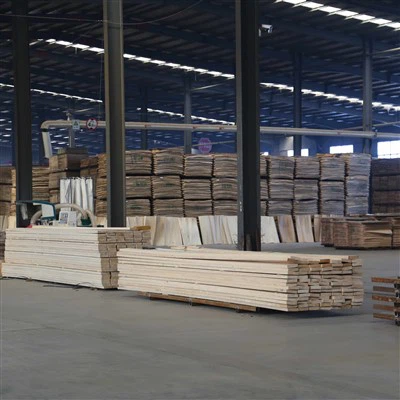
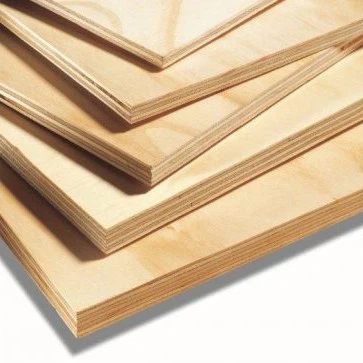
Let's start by talking a bit about what Moisture-resistant Balcony LVL Columns are. LVL stands for Laminated Veneer Lumber. It's made by bonding together thin layers of wood veneer with adhesives. The result is a super strong and stable material that's perfect for balcony columns. And the "moisture-resistant" part? Well, that means these columns are treated to withstand the effects of moisture, which is a big deal for balconies that are exposed to the elements. You can check out more about these columns here: Moisture-resistant Balcony LVL Columns.
On the other hand, concrete columns have been a go-to for construction for ages. They're known for their strength and durability. But how do they hold up against moisture compared to our LVL columns?
Moisture Resistance Mechanisms
First off, let's look at how each material deals with moisture. Concrete is a porous material. That means it has tiny holes in it that can absorb water. When water gets into these pores, it can cause all sorts of problems. Over time, the water can freeze and thaw, which leads to cracking and spalling. Also, if there are any salts or chemicals in the water, they can react with the concrete and cause corrosion of the reinforcement bars inside.
Our Moisture-resistant Balcony LVL Columns, on the other hand, have a different approach. The wood veneers are treated with special chemicals that create a barrier against moisture. This treatment not only prevents water from seeping into the wood but also protects it from mold and rot. The layers of veneer are also bonded together in a way that further enhances the column's resistance to moisture.
Performance in Different Moisture Conditions
Let's talk about how these columns perform in different moisture conditions. In a humid environment, concrete columns can start to show signs of moisture damage relatively quickly. The humidity can cause the surface of the concrete to become damp, which can lead to the growth of mold and mildew. And if the humidity levels fluctuate a lot, the concrete can expand and contract, causing cracks.
Our LVL columns, however, are designed to handle humidity like a champ. The moisture-resistant treatment keeps the wood dry and prevents mold and mildew from growing. Even in high humidity, the columns maintain their strength and integrity.


What about in wet conditions, like when it rains or there's a lot of splashing water on the balcony? Concrete columns can absorb a significant amount of water during heavy rain. This can lead to waterlogging, which weakens the concrete over time. And if the water contains dirt or debris, it can clog the pores of the concrete, making it even more susceptible to damage.
Our Moisture-resistant Balcony LVL Columns are much better at repelling water. The treated surface causes the water to bead up and roll off, rather than being absorbed. This means that the columns stay dry and don't suffer from the same water-related problems as concrete columns.
Long-Term Durability
When it comes to long-term durability, moisture resistance plays a huge role. Concrete columns may seem strong at first, but over time, the effects of moisture can take a toll. Cracks can form, and the reinforcement bars can corrode, which weakens the entire structure. Eventually, the columns may need to be repaired or replaced, which can be a costly and time-consuming process.
Our LVL columns, on the other hand, are built to last. The moisture-resistant treatment ensures that the wood remains strong and stable for years to come. They're also less likely to develop cracks or other structural issues due to moisture. This means that you can count on our columns to provide reliable support for your balcony for a long time.
Installation and Maintenance
Another aspect to consider is installation and maintenance. Concrete columns are heavy and require special equipment for installation. They also need to be properly cured, which can take time. And once they're installed, they need regular maintenance to prevent moisture damage. This can include sealing the surface and checking for cracks.
Our Moisture-resistant Balcony LVL Columns are much easier to install. They're lighter than concrete columns, so they can be handled more easily. Installation is also quicker, which means less downtime for your project. And when it comes to maintenance, all you need to do is give them a regular visual check to make sure everything's okay. The moisture-resistant treatment means that you don't have to worry about sealing or other complex maintenance tasks.
Cost-Effectiveness
Cost is always a factor when it comes to construction. Concrete columns can be expensive, especially when you consider the cost of materials, installation, and maintenance. And if they need to be repaired or replaced due to moisture damage, that adds even more to the cost.
Our LVL columns are a more cost-effective option. They're generally less expensive than concrete columns, and the lower installation and maintenance costs make them an even better value. Plus, their long-term durability means that you won't have to worry about costly repairs or replacements down the line.
Other Benefits of LVL Columns
In addition to their excellent moisture resistance, our LVL columns have other benefits. For example, they're more environmentally friendly than concrete. Wood is a renewable resource, and the manufacturing process for LVL columns produces less waste and uses less energy compared to concrete production.
We also offer different types of LVL columns to meet your specific needs. If you're looking for columns for roof construction, check out our E0 LVL Columns for Roof Construction. And if you need columns with high support strength, our High Support Strength LVL Columns are a great choice.
Conclusion
So, to sum it all up, when it comes to moisture resistance, our Moisture-resistant Balcony LVL Columns outperform concrete columns in many ways. They're better at handling different moisture conditions, more durable in the long run, easier to install and maintain, and more cost-effective. And with their additional benefits like environmental friendliness and different product options, they're a great choice for your balcony construction project.
If you're interested in learning more about our Moisture-resistant Balcony LVL Columns or want to discuss a potential purchase, don't hesitate to reach out. We're here to help you make the best decision for your project.
References
- Wood Handbook: Wood as an Engineering Material. U.S. Department of Agriculture, Forest Service, Forest Products Laboratory.
- Concrete Construction Handbook. Portland Cement Association.