Hey there! As a supplier of laminated veneer lumber (LVL) beams, I've been getting a lot of questions lately about how these beams perform in earthquake - prone areas. So, I thought I'd sit down and share some insights on this important topic.
What is Laminated Veneer Lumber?
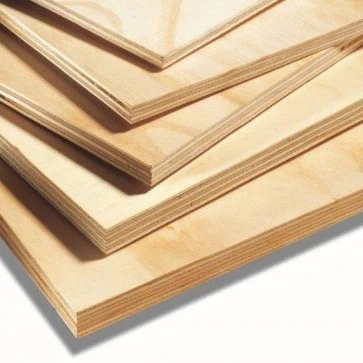
First things first, let's quickly go over what LVL beams are. LVL is made by bonding thin wood veneers together with adhesives under high pressure and temperature. This process creates a strong, stable, and uniform building material that can be used in a variety of construction applications, from residential homes to commercial buildings.
The beauty of LVL is that it combines the natural strength of wood with the engineered precision of modern manufacturing techniques. Unlike solid wood, which can have knots, cracks, or other defects that weaken its structure, LVL beams are consistent in quality and performance. This makes them a reliable choice for builders and architects, especially in areas where structural integrity is crucial.
How Do LVL Beams Fare in Earthquakes?
Now, let's get to the heart of the matter: how do LVL beams perform during an earthquake? Well, the short answer is that they perform quite well, and here's why.
1. Strength and Ductility
One of the key properties that make LVL beams suitable for earthquake - prone areas is their strength and ductility. Strength refers to the beam's ability to resist loads, while ductility is the beam's ability to deform without breaking. During an earthquake, buildings are subjected to dynamic loads that can cause significant stress on the structure. A strong and ductile beam can absorb and dissipate this energy, reducing the risk of catastrophic failure.
LVL beams have high strength - to - weight ratios, which means they can support heavy loads while being relatively lightweight. This is important in earthquake - resistant design because lighter structures experience less seismic force. Additionally, the laminated construction of LVL allows it to flex and bend under stress, rather than breaking suddenly. This ductile behavior helps the building to withstand the shaking and reduces the likelihood of collapse.
2. Consistency and Predictability
As I mentioned earlier, LVL beams are manufactured to strict quality standards, which ensures a high level of consistency in their properties. This consistency is crucial in earthquake - prone areas because it allows engineers to accurately predict how the beams will perform under seismic loads.
When designing a building in an earthquake - prone region, engineers use computer models and seismic analysis techniques to simulate the behavior of the structure during an earthquake. These models rely on accurate material properties to make reliable predictions. Since LVL beams have consistent strength, stiffness, and other mechanical properties, engineers can have more confidence in their designs and ensure that the building will meet the required seismic safety standards.
3. Connection Design
Another important factor in the seismic performance of LVL beams is the design of the connections between the beams and other structural elements. Proper connection design is essential for transferring the seismic forces throughout the structure and ensuring that the building behaves as a single, integrated system.
LVL beams can be easily connected to other structural components using a variety of fasteners, such as bolts, nails, and screws. However, it's important to use the right type and size of fasteners and to follow the manufacturer's installation guidelines. Additionally, engineers can design special connection details, such as moment - resisting connections, to enhance the seismic performance of the structure.
Real - World Examples
There have been several real - world examples that demonstrate the effectiveness of LVL beams in earthquake - prone areas. For instance, in some regions with high seismic activity, many new residential and commercial buildings are being constructed using LVL beams. These buildings have withstood moderate to strong earthquakes with minimal damage, thanks in large part to the use of LVL in their structural systems.
One of the advantages of LVL is its versatility. It can be used in a variety of structural configurations, such as floor joists, roof rafters, and load - bearing walls. This flexibility allows architects and engineers to design buildings that are not only seismically resilient but also aesthetically pleasing and functional.
Our LVL Beam Offerings
At our company, we offer a range of LVL beams that are specifically designed for use in earthquake - prone areas. We take pride in the quality of our products and ensure that they meet or exceed all relevant industry standards.
If you're looking for traceability assurance in your construction projects, check out our Lvl Beam For Traceability Assurance. This product comes with detailed information about its origin, manufacturing process, and quality control measures, so you can have peace of mind knowing exactly what you're getting.
For those who need a solid foundation for their buildings, our LVL Beams With A Solid Foundation are an excellent choice. These beams are engineered to provide maximum strength and stability, making them ideal for use in areas where seismic activity is a concern.
And if you're looking for ultimate stability, our Super Stable LVL Beam is the way to go. With its advanced manufacturing techniques and high - quality materials, this beam offers exceptional performance under a wide range of loads, including seismic forces.


Conclusion
In conclusion, LVL beams are a great choice for construction projects in earthquake - prone areas. Their strength, ductility, consistency, and ease of connection make them well - suited to withstand the dynamic loads associated with earthquakes. At our company, we're committed to providing high - quality LVL beams that can help you build safer, more resilient structures.
If you're interested in learning more about our LVL beams or have a project in mind, don't hesitate to reach out. We're always happy to discuss your specific needs and provide you with the best solutions for your construction projects. Let's work together to build a better, more earthquake - resistant future!
References
- American Wood Council. (2018). National Design Specification for Wood Construction (NDS) and Commentary.
- FEMA. (2015). Seismic Design Manual for One - and Two - Family Dwellings.