Hey there! I'm a supplier of laminated veneer lumber (LVL) beams, and I've been getting a lot of questions lately about how these beams hold up in high - humidity climates. So, I thought I'd share some insights based on my experience and the latest research.
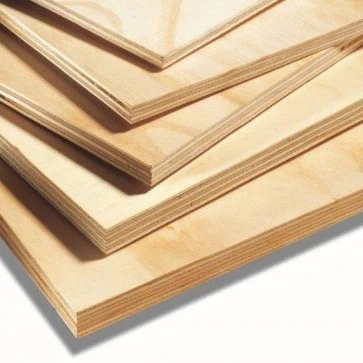
First off, let's talk a bit about what LVL beams are. LVL beams are made by bonding multiple thin layers of wood veneers together with adhesives. This process creates a strong, stable, and uniform product that's widely used in construction for things like floor joists, wall studs, and headers. We offer a variety of LVL beams, such as the Pine LVL Laminated Veneer Lumber Beam, the Heavy - Duty LVL Beam for Wall and Slab Formwork, and the High - Strength LVL Beam for Floor Joist.
Now, when it comes to high - humidity climates, wood is a natural material that can absorb and release moisture. This property is both a blessing and a curse. On one hand, it allows wood to adapt to changes in the environment to some extent. On the other hand, excessive moisture absorption can lead to some problems.
Moisture Absorption and Swelling
In high - humidity areas, LVL beams will absorb moisture from the air. The amount of moisture they absorb depends on factors like the relative humidity, temperature, and the initial moisture content of the beam. As the LVL beam absorbs moisture, it will start to swell. This swelling can cause issues, especially if the beam is installed in a tight space. For example, if a floor joist made of LVL swells, it could put pressure on the surrounding structures, leading to squeaky floors or even structural damage over time.
However, modern LVL manufacturing processes have come a long way in reducing the impact of moisture absorption. The adhesives used in LVL production are designed to resist moisture to a certain degree. Additionally, the cross - lamination of the veneers helps to balance the swelling and shrinking forces, making the beam more dimensionally stable compared to solid wood.
Mold and Decay
Another concern in high - humidity climates is the growth of mold and decay. Mold needs moisture, oxygen, and a food source (in this case, the wood) to grow. If the moisture content of the LVL beam stays above a certain level (usually around 20%), mold can start to develop. Mold not only looks unsightly but can also pose health risks to the occupants of the building.
Decay is caused by fungi that break down the wood fibers. Similar to mold, decay fungi need moisture to thrive. To prevent mold and decay, it's important to keep the moisture content of the LVL beam in check. This can be achieved through proper ventilation, waterproofing, and regular inspections.
Some LVL manufacturers, including us, treat the veneers with preservatives before bonding them together. These preservatives help to inhibit the growth of mold and decay fungi, giving the LVL beam an extra layer of protection in high - humidity environments.
Structural Performance
The structural performance of LVL beams can also be affected by high humidity. As the beam absorbs moisture, its strength and stiffness can decrease. This is because the moisture weakens the wood fibers and the adhesive bonds. However, the decrease in strength is usually not significant if the moisture content is within the acceptable range.
It's important to note that building codes and standards take into account the potential effects of moisture on LVL beams. When designing a structure in a high - humidity climate, engineers will typically specify a higher safety factor to account for any possible reduction in strength.
Installation and Maintenance
Proper installation and maintenance are crucial for ensuring the long - term performance of LVL beams in high - humidity climates. During installation, it's important to leave some space for the beam to expand and contract. This can prevent problems caused by swelling. Additionally, the beam should be installed in a way that allows for good ventilation, which helps to keep the moisture content down.


Regular maintenance includes inspecting the beams for signs of mold, decay, or damage. If any issues are detected, they should be addressed promptly. For example, if mold is found, the affected area should be cleaned and treated to prevent further growth.
Our Solutions
As a supplier of LVL beams, we understand the challenges of using these products in high - humidity climates. That's why we offer a range of LVL beams that are specifically designed to perform well in such environments. Our beams are made with high - quality veneers and advanced adhesives that provide excellent moisture resistance.
We also offer technical support to our customers. Our team of experts can help you with everything from product selection to installation and maintenance. Whether you're building a small residential project or a large commercial building, we can provide you with the right LVL beams and the guidance you need to ensure a successful project.
Conclusion
In conclusion, LVL beams can perform well in high - humidity climates if they are properly selected, installed, and maintained. While there are some challenges associated with moisture absorption, mold, and decay, modern manufacturing techniques and proper precautions can help to mitigate these issues.
If you're planning a construction project in a high - humidity area and are considering using LVL beams, I'd love to hear from you. We can discuss your specific needs and provide you with the best solutions for your project. Don't hesitate to reach out for more information or to start a procurement discussion.
References
- Forest Products Laboratory. (2010). Wood Handbook: Wood as an Engineering Material. U.S. Department of Agriculture, Forest Service.
- ASTM International. (2019). Standard Specification for Laminated Veneer Lumber (LVL) for Structural Purposes. ASTM D3737.