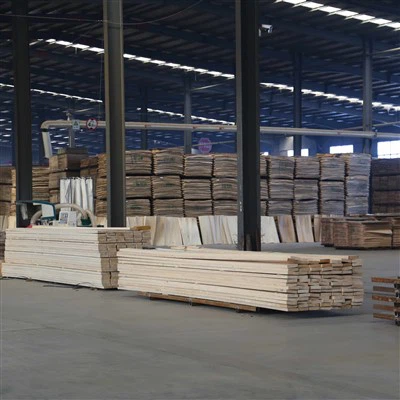
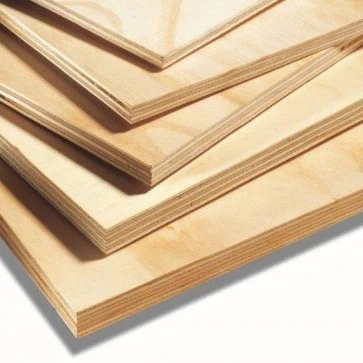
In the dynamic world of construction, the choice of building materials plays a pivotal role in determining the success and longevity of a project. Among the plethora of options available, Size LVL Lumber and aluminum have emerged as two popular choices, each with its own unique set of characteristics and advantages. As a supplier of Size LVL Lumber, I am often asked how it compares to aluminum in construction. In this blog post, I will delve into the key aspects of both materials, highlighting their strengths and weaknesses, to help you make an informed decision for your next construction project.
Structural Performance
One of the primary considerations in construction is the structural performance of the materials used. Size LVL Lumber, or Laminated Veneer Lumber, is an engineered wood product made by bonding multiple layers of thin wood veneers together with adhesives. This manufacturing process results in a material that is strong, stable, and dimensionally consistent. Size LVL Lumber has excellent load-bearing capacity, making it suitable for a wide range of structural applications, including beams, columns, and headers.
On the other hand, aluminum is a lightweight metal known for its high strength-to-weight ratio. It is commonly used in construction for its durability, corrosion resistance, and ability to withstand extreme weather conditions. Aluminum structures can be designed to be very strong and rigid, making them suitable for large-span buildings, such as warehouses and stadiums.


In terms of structural performance, both Size LVL Lumber and aluminum have their advantages. Size LVL Lumber offers a natural and sustainable alternative to traditional lumber, with improved strength and stability. Aluminum, on the other hand, provides a lightweight and durable solution for structures that require high strength and corrosion resistance.
Cost
Cost is another important factor to consider when choosing between Size LVL Lumber and aluminum. Size LVL Lumber is generally more cost-effective than aluminum, especially for smaller construction projects. The cost of Size LVL Lumber is comparable to that of traditional lumber, but it offers superior strength and stability, which can result in cost savings in the long run.
Aluminum, on the other hand, is more expensive than Size LVL Lumber. The cost of aluminum is influenced by factors such as the price of raw materials, manufacturing processes, and market demand. However, aluminum structures can be more cost-effective in the long run due to their durability and low maintenance requirements.
When considering the cost of construction materials, it is important to take into account the overall project budget, including the cost of installation, maintenance, and replacement. In some cases, the higher initial cost of aluminum may be offset by its long-term benefits, such as reduced maintenance and energy costs.
Sustainability
Sustainability is becoming an increasingly important consideration in the construction industry. Size LVL Lumber is a sustainable building material made from renewable resources. The manufacturing process of Size LVL Lumber uses less energy and produces fewer greenhouse gas emissions compared to traditional lumber. Additionally, Size LVL Lumber can be recycled at the end of its life cycle, reducing its environmental impact.
Aluminum is also a sustainable material, as it is highly recyclable. Recycling aluminum requires only a fraction of the energy needed to produce new aluminum, making it an environmentally friendly choice. However, the production of aluminum requires a significant amount of energy, which can have a negative impact on the environment.
In terms of sustainability, both Size LVL Lumber and aluminum have their advantages. Size LVL Lumber offers a natural and renewable alternative to traditional lumber, while aluminum provides a highly recyclable and durable solution for construction projects.
Aesthetics
The aesthetics of a building are an important consideration, as they can have a significant impact on its overall appearance and value. Size LVL Lumber has a natural and warm appearance that can add a touch of elegance and charm to any building. It can be left unfinished to showcase its natural beauty, or it can be stained or painted to match the desired aesthetic.
Aluminum has a sleek and modern appearance that can give a building a contemporary and sophisticated look. It can be finished in a variety of colors and textures to suit the design requirements of the project.
In terms of aesthetics, both Size LVL Lumber and aluminum offer unique and attractive options. The choice between the two materials will depend on the design preferences of the architect and the overall style of the building.
Installation and Maintenance
The ease of installation and maintenance is another important factor to consider when choosing between Size LVL Lumber and aluminum. Size LVL Lumber can be easily cut, drilled, and fastened using standard woodworking tools. It can be installed using traditional construction methods, making it a familiar and accessible option for contractors.
Aluminum structures require specialized tools and equipment for installation, which can increase the cost and complexity of the project. However, aluminum structures are generally easier to maintain compared to Size LVL Lumber. Aluminum is resistant to corrosion and rot, which means it does not require regular painting or staining.
When considering the installation and maintenance of construction materials, it is important to take into account the skills and experience of the contractor, as well as the long-term maintenance requirements of the building.
Conclusion
In conclusion, both Size LVL Lumber and aluminum have their advantages and disadvantages in construction. Size LVL Lumber offers a natural, sustainable, and cost-effective alternative to traditional lumber, with excellent structural performance and aesthetics. Aluminum provides a lightweight, durable, and corrosion-resistant solution for construction projects, with a sleek and modern appearance.
The choice between Size LVL Lumber and aluminum will depend on a variety of factors, including the specific requirements of the project, the budget, the design preferences, and the environmental considerations. As a supplier of Size LVL Lumber, I am committed to providing high-quality products and excellent customer service. If you are considering using Size LVL Lumber in your next construction project, I encourage you to reach out to me for more information and to discuss your specific needs. I would be happy to provide you with samples, specifications, and pricing, and to assist you in making an informed decision.
References
- American Wood Council. (2018). National Design Specification for Wood Construction.
- Aluminum Association. (2020). Aluminum Design Manual.
- Forest Stewardship Council. (2021). FSC Certification.
- Green Building Council. (2021). LEED Certification.