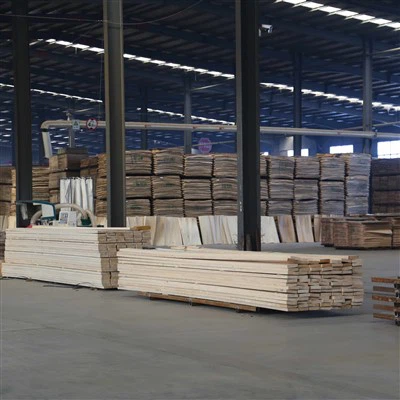
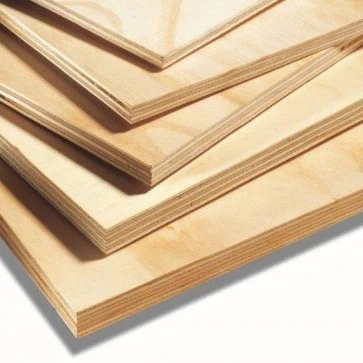
In the realm of construction, the choice between building materials can significantly impact the outcome of a project. Two commonly compared materials are Size LVL (Laminated Veneer Lumber) and steel. As a Size LVL Lumber supplier, I've witnessed firsthand the unique advantages and considerations of each material. In this blog, I'll delve into a comprehensive comparison of Size LVL Lumber and steel in construction, exploring their characteristics, performance, and suitability for various applications.
Strength and Structural Performance
When it comes to strength, both Size LVL Lumber and steel have their own merits. Steel is renowned for its high strength-to-weight ratio, making it an ideal choice for large-scale commercial and industrial projects where heavy loads need to be supported. It can withstand extreme forces and is highly resistant to bending and deformation.
On the other hand, Size LVL Lumber offers impressive strength as well. It is engineered by bonding multiple layers of thin wood veneers together with adhesives, creating a material that is stronger and more stable than natural wood. High Support Strength LVL Columns are specifically designed to provide excellent load-bearing capacity, making them suitable for a wide range of construction applications, including residential and light commercial buildings.
In terms of structural performance, steel has the advantage of being able to span longer distances without the need for intermediate supports. This makes it a popular choice for open floor plans and large-span structures. However, Size LVL Lumber can also be used to achieve significant spans, especially when used in combination with other structural elements. It offers a more flexible and cost-effective solution for smaller to medium-sized projects.
Durability and Maintenance
Durability is a crucial factor to consider in construction, as it directly affects the lifespan and performance of a building. Steel is known for its excellent durability and resistance to corrosion, rot, and pests. However, it requires proper maintenance to prevent rusting, especially in harsh environments. Regular painting and coating are necessary to protect the steel from moisture and other corrosive elements.
Size LVL Lumber, when properly treated and maintained, can also offer long-term durability. Anti-corrosion LVL Columns Support are available, which are treated with special chemicals to enhance their resistance to decay and insect damage. Additionally, wood is a natural material that has been used in construction for centuries and has proven to be a reliable and durable building material.
In terms of maintenance, Size LVL Lumber generally requires less maintenance compared to steel. Once installed, it can be left untreated or finished with a protective coating to enhance its appearance and durability. However, it is important to ensure that the wood is properly sealed and protected from moisture to prevent warping, cracking, and decay.
Cost and Affordability
Cost is often a major consideration in construction projects. Steel is generally more expensive than Size LVL Lumber, especially when it comes to the initial material cost. The cost of steel can vary depending on factors such as the type of steel, the thickness, and the market conditions. Additionally, the installation of steel structures can be more labor-intensive and require specialized equipment, which can further increase the overall cost.
Size LVL Lumber, on the other hand, is a more cost-effective alternative. It is typically less expensive than steel, especially for smaller to medium-sized projects. The installation of Size LVL Lumber is also relatively straightforward and can be done by a skilled carpenter or construction crew, reducing the labor costs. Additionally, Pine Poplar LVL Lumber for Roof Construction offers a cost-effective solution for roofing applications, providing excellent strength and durability at a lower cost compared to traditional roofing materials.
Environmental Impact
In today's environmentally conscious world, the environmental impact of building materials is an important consideration. Steel is a highly recyclable material, and a significant portion of the steel used in construction is made from recycled materials. However, the production of steel requires a large amount of energy and resources, and it can have a significant carbon footprint.
Size LVL Lumber, on the other hand, is a renewable and sustainable building material. Wood is a natural resource that can be replenished through responsible forestry practices. Additionally, the production of Size LVL Lumber requires less energy compared to steel, making it a more environmentally friendly choice. By choosing Size LVL Lumber, you can reduce your carbon footprint and contribute to a more sustainable future.
Suitability for Different Applications
Both Size LVL Lumber and steel have their own unique characteristics and are suitable for different applications. Steel is commonly used in large-scale commercial and industrial projects, such as high-rise buildings, bridges, and industrial warehouses. Its high strength and ability to span long distances make it an ideal choice for these types of structures.
Size LVL Lumber, on the other hand, is well-suited for residential and light commercial buildings. It offers a more cost-effective and sustainable alternative to traditional building materials, while still providing excellent strength and durability. It can be used for a variety of applications, including floor joists, roof rafters, wall studs, and beams.
Conclusion
In conclusion, the choice between Size LVL Lumber and steel in construction depends on a variety of factors, including the specific requirements of the project, the budget, the environmental impact, and the personal preferences of the builder or homeowner. Both materials have their own unique advantages and considerations, and it is important to carefully evaluate these factors before making a decision.


As a Size LVL Lumber supplier, I believe that Size LVL Lumber offers a compelling alternative to steel in many construction applications. It provides excellent strength, durability, and cost-effectiveness, while also being a renewable and sustainable building material. If you are considering using Size LVL Lumber in your next construction project, I encourage you to contact me to discuss your specific needs and requirements. I would be happy to provide you with more information and help you make an informed decision.
References
- American Wood Council. (2018). National Design Specification for Wood Construction.
- Steel Construction Institute. (2019). Structural Steel Design Manual.
- Forest Products Laboratory. (2010). Wood Handbook: Wood as an Engineering Material.