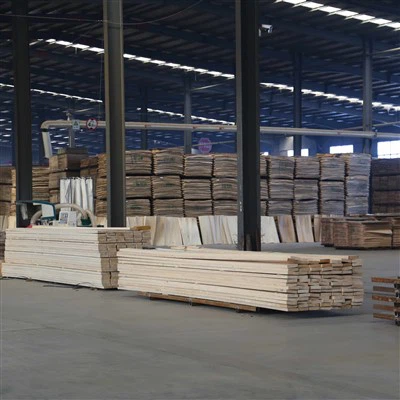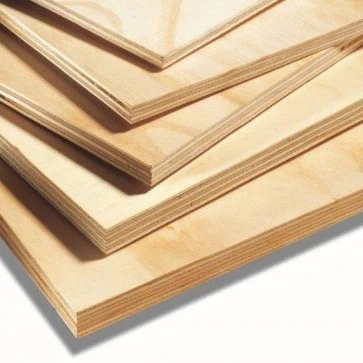
Yo, what's up everyone! I'm a supplier of outdoor structural plywood, and today I wanna chat about how the modulus of elasticity affects the performance of our outdoor structural plywood.


First off, let's break down what the modulus of elasticity actually is. In simple terms, it's a measure of how stiff a material is. When we're talking about outdoor structural plywood, this number tells us how much the plywood will bend under a load. A higher modulus of elasticity means the plywood is stiffer and will bend less, while a lower one means it's more flexible and will bend more.
Now, why does this matter for outdoor use? Well, think about all the different situations our outdoor structural plywood might be in. Whether it's used for roofing, dock pavements, or as a roof base, it's gonna face a bunch of different forces.
Let's start with roofing. We've got this CDX Pine Structural Plywood for Exterior Roofing Usage. When it's up on a roof, it has to deal with the weight of the shingles, snow, and even wind. If the plywood has a low modulus of elasticity, it might start to sag over time. That's not cool because sagging can lead to all sorts of problems, like water pooling on the roof, which can cause leaks and damage to the structure below. On the other hand, if the plywood has a high modulus of elasticity, it'll stay nice and flat, providing a solid base for the rest of the roofing materials.
For dock pavements, we offer Anti-corrosion Structural Plywood for Dock Pavement. Docks are constantly exposed to water, boats moving on and off, and people walking around. The modulus of elasticity plays a big role here too. A plywood with a high modulus of elasticity can better withstand the impacts and loads from boats and foot traffic. It won't flex as much, which means it'll last longer and be safer for everyone using the dock. If the modulus is too low, the plywood might crack or break under the stress, and that's a major safety hazard.
Then there's the High-Strength Structural Plywood Roof Base. As the name suggests, it's all about strength. A high modulus of elasticity contributes to that strength. When the plywood is used as a roof base, it needs to support the weight of the entire roof system. If it bends too much, it can cause the roof to become uneven, which can affect the installation of other roofing components and reduce the overall integrity of the roof.
Another thing to consider is the environmental factors. Outdoor structural plywood is exposed to the elements, like rain, sun, and temperature changes. These can all affect the plywood's properties over time. A plywood with a good modulus of elasticity is more likely to resist these environmental stresses. For example, in hot weather, the plywood might expand a bit. If it's too flexible (low modulus of elasticity), it could warp or buckle. But if it's stiffer (high modulus of elasticity), it'll be more stable and maintain its shape.
Now, how do we ensure that our outdoor structural plywood has the right modulus of elasticity? Well, it starts with the materials we use. We carefully select the wood species and the adhesives. Different wood species have different inherent stiffness properties. By choosing the right ones, we can get closer to the desired modulus of elasticity. The adhesives also play a role. A high-quality adhesive can help hold the layers of the plywood together, enhancing its overall stiffness.
During the manufacturing process, we also pay close attention to things like the pressure and temperature used in pressing the plywood. These factors can affect how the wood fibers bond together and ultimately impact the modulus of elasticity. We've got a team of experts who are constantly monitoring and adjusting these variables to make sure we're producing plywood with the best possible performance.
But it's not just about getting a high modulus of elasticity. We also need to find the right balance. Sometimes, a slightly lower modulus of elasticity can be beneficial in certain applications where a bit of flexibility is actually needed. For example, in some areas with high seismic activity, a plywood with a bit more flexibility can better absorb the shockwaves from earthquakes.
So, as you can see, the modulus of elasticity is a crucial factor in the performance of our outdoor structural plywood. Whether it's for roofing, docks, or other outdoor applications, it affects how well the plywood can withstand the loads and environmental conditions it'll face.
If you're in the market for outdoor structural plywood and want to learn more about how the modulus of elasticity can impact your project, don't hesitate to reach out. We're here to help you choose the right product for your specific needs. Whether you're a contractor, a DIY enthusiast, or someone working on a big construction project, we've got the expertise and the products to make your project a success.
In conclusion, understanding the role of the modulus of elasticity in outdoor structural plywood is key to making the right choice. It can save you time, money, and headaches in the long run. So, if you're ready to start your project, let's have a chat and see how we can help you get the best plywood for the job.
References
- Wood Handbook: Wood as an Engineering Material. Forest Products Laboratory.
- ASTM D3500 - Standard Specification for Structural Glued Laminated Timber of Softwood Species.