Laminated veneer lumber (LVL) beams are engineered wood products that have gained significant popularity in the construction industry due to their strength, versatility, and sustainability. As a leading supplier of LVL beams, I am excited to share with you the detailed process of how these remarkable beams are manufactured.
Raw Material Selection
The first step in manufacturing LVL beams is the careful selection of raw materials. We primarily use high - quality softwood species such as pine for our LVL beams. Pine is an excellent choice because it has a relatively straight grain, which is essential for producing strong and uniform veneers. The logs are sourced from well - managed forests, ensuring both the quality of the wood and environmental sustainability.
Before the logs are processed, they are inspected for defects such as knots, cracks, and decay. Only the logs that meet our strict quality standards are selected for further processing. This initial quality control step is crucial as it directly impacts the strength and appearance of the final LVL beam.
Log Preparation
Once the suitable logs are selected, they are transported to the sawmill. Here, the logs are debarked to remove the outer bark layer. Debarking not only helps in the subsequent processing steps but also eliminates any potential contaminants that may be present on the bark.
After debarking, the logs are cut into smaller sections of appropriate lengths. These sections are then centered and loaded onto a lathe. The lathe rotates the log while a sharp blade peels off thin layers of wood, known as veneers. The thickness of the veneers can vary depending on the specific requirements of the LVL beam, but typically, veneers are around 1.5 to 3 millimeters thick.
Veneer Drying and Grading
The freshly peeled veneers contain a high amount of moisture, which needs to be reduced to an optimal level. The veneers are sent through a large - scale dryer, where they are exposed to controlled heat and airflow. The drying process is carefully monitored to ensure that the veneers do not warp or crack. The target moisture content for the veneers is usually between 8% and 12%, which is ideal for bonding and long - term stability.
After drying, the veneers are graded based on their quality. Veneers with fewer defects, such as small knots or minor discolorations, are classified as higher - grade veneers. These high - grade veneers are often used for the outer layers of the LVL beam, where appearance is more important. Lower - grade veneers, which may have more significant defects, are used for the inner layers, where strength is the primary concern.
Adhesive Application
Once the veneers are graded, an adhesive is applied to their surfaces. The adhesive used in LVL beam manufacturing is a specially formulated resin that provides strong and durable bonds. We use phenol - formaldehyde or melamine - formaldehyde adhesives, which are known for their excellent water resistance and high bonding strength.
The adhesive is applied evenly to the veneers using a roller or spray system. The amount of adhesive applied is carefully controlled to ensure proper bonding without excess adhesive that could cause problems during the pressing process.
Assembly
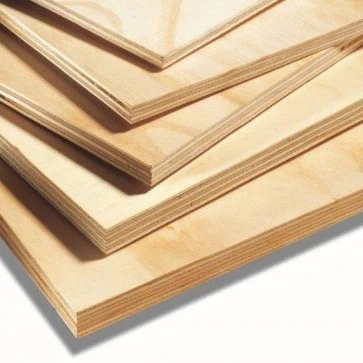
After the adhesive application, the veneers are assembled into the desired configuration. The veneers are stacked on top of each other with their grain directions aligned parallel to each other. This parallel grain orientation gives the LVL beam its high strength in the direction of the grain.
The number of veneers used in a beam depends on the desired thickness and strength of the final product. For example, a thicker and stronger LVL beam will require more veneers. During the assembly process, the veneers are carefully aligned to ensure a uniform and straight beam.


Pressing
Once the veneers are assembled, the stack is placed into a large hydraulic press. The press applies high pressure to the stack of veneers, compressing them together and activating the adhesive. The pressure and temperature are precisely controlled during the pressing process. The typical pressing pressure ranges from 1000 to 2000 pounds per square inch (psi), and the temperature is maintained at around 120 to 150 degrees Celsius.
The pressing time also varies depending on the thickness of the beam and the type of adhesive used. Generally, the pressing process takes several minutes to ensure that the adhesive fully cures and forms strong bonds between the veneers.
Post - Pressing Processing
After the pressing process, the newly formed LVL beam is removed from the press. It is then trimmed to the desired length and width using a saw. The edges of the beam are smoothed to give it a clean and professional appearance.
Some LVL beams may also undergo additional treatments, such as sanding or coating, depending on the customer's requirements. Sanding can improve the surface finish of the beam, while coatings can provide additional protection against moisture, insects, and fire.
Quality Control
Throughout the manufacturing process, strict quality control measures are in place. We conduct regular inspections at each stage, from raw material selection to the final product. The strength of the LVL beams is tested using various methods, such as bending tests and shear tests. These tests ensure that the beams meet or exceed the industry standards for strength and performance.
We also check the dimensions, appearance, and moisture content of the beams to ensure consistency and quality. Only the beams that pass all the quality control tests are approved for sale.
Our Product Range
As a supplier, we offer a wide range of LVL beams to meet different construction needs. Our High Load - bearing LVL Beams for Roof Beams are designed to support heavy loads in roofing applications. They are known for their high strength - to - weight ratio, which makes them an ideal choice for large - span roofs.
Our Pine LVL Laminated Veneer Lumber Beam is made from high - quality pine veneers, offering a combination of strength and aesthetic appeal. Pine LVL beams are suitable for a variety of construction projects, including residential and commercial buildings.
For more heavy - duty applications, such as wall and slab formwork, we offer Heavy - Duty LVL Beam for Wall and Slab Formwork. These beams are engineered to withstand high pressures and provide reliable support during the construction process.
Contact Us for Procurement
If you are in the market for high - quality LVL beams for your construction project, we invite you to contact us for procurement. Our team of experts is ready to assist you in selecting the right LVL beam for your specific needs. We can provide detailed product information, technical support, and competitive pricing. Whether you are a contractor, builder, or architect, we are committed to providing you with the best LVL beam solutions.
References
- Forest Products Laboratory. (2010). Wood Handbook: Wood as an Engineering Material. USDA Forest Service.
- ASTM International. (2019). Standard Specification for Laminated Veneer Lumber (LVL) for Structural Purposes. ASTM D3737.