Hey there! As a supplier of structural wood panels formwork, I know how crucial it is to ensure the quality of these panels before installation. A shoddy formwork can lead to all sorts of problems down the line, like poor concrete finishes and even structural issues. So, let's dive into how you can check the quality of structural wood panels formwork before you start using them on your construction site.
Visual Inspection
The first step in checking the quality of structural wood panels formwork is a good old - fashioned visual inspection. You don't need any fancy tools for this one; just your eyes.
Surface Condition
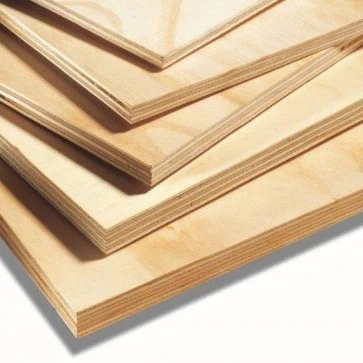
Take a close look at the surface of the panels. It should be smooth and free from any visible defects like cracks, knots, or splinters. Cracks can weaken the panel and may cause it to break under the pressure of wet concrete. Knots can also be a problem as they can create weak spots in the panel. If you see any panels with significant surface defects, it's best to set them aside.
For instance, our Anti - Corrosion Black Coated Structural Panels Formwork is designed to have a high - quality surface finish. The anti - corrosion coating not only protects the panel but also gives it a smooth appearance. During your visual inspection, you'll notice that these panels have a consistent color and texture, which are signs of good quality.
Edge Quality
The edges of the panels are also important. They should be straight and square. If the edges are uneven or damaged, it can affect how the panels fit together. Misaligned panels can lead to gaps, which can result in concrete leakage during pouring. Make sure to check all four edges of each panel. You can use a straightedge to verify the straightness of the edges.
Dimensional Accuracy
Next up is dimensional accuracy. Structural wood panels formwork needs to be the right size and shape for your construction project.
Size
Measure the length, width, and thickness of the panels. They should match the specifications provided by the manufacturer. Even a small deviation in size can cause problems when it comes to fitting the panels together. For example, if the panels are supposed to be 1220*2440 mm, like our 1220*2440 Marine Film Faced Formwork Plywood, use a measuring tape to double - check. Any panels that are significantly off in size should be rejected.
Squareness
To check the squareness of the panels, you can use the 3 - 4 - 5 rule. Measure 3 feet along one edge, 4 feet along the adjacent edge, and then check the diagonal. If the diagonal measures 5 feet (or the appropriate metric equivalent), the panel is square. This is important because square panels will fit together properly and create a stable formwork structure.


Strength and Durability
The strength and durability of the structural wood panels formwork are key factors in its performance.
Bending Strength
You can perform a simple bending test on a small sample of the panel if possible. Gently apply pressure to the panel to see how it bends. A high - quality panel should be able to withstand a reasonable amount of bending without breaking. If the panel snaps easily or shows excessive bending, it may not be strong enough for your project.
Moisture Resistance
Wood is susceptible to moisture, which can cause it to warp, rot, or lose its strength. Check the moisture content of the panels. You can use a moisture meter for this. The moisture content should be within the recommended range specified by the manufacturer. Our Black Shuttering Plywood for Construction is designed to have good moisture resistance, but it's still important to double - check. Panels with high moisture content are more likely to warp during use, which can affect the quality of the concrete finish.
Adhesive Bonding
If the panel is made up of multiple layers (like plywood), the adhesive bonding between the layers is crucial.
Delamination Check
Look for any signs of delamination, which is when the layers of the panel start to separate. You can do this by tapping on the panel with a small hammer. A solid, well - bonded panel will produce a clear, uniform sound. If you hear a dull or hollow sound, it could indicate delamination. Delaminated panels should not be used as they will not provide the necessary strength and stability.
Certification and Documentation
Don't forget to check the certification and documentation that comes with the panels. Reputable manufacturers will provide certificates that show the panels meet certain quality standards. These standards may include strength, fire resistance, and environmental performance. Make sure to review these documents carefully to ensure that the panels you're using are suitable for your project.
Conclusion
Checking the quality of structural wood panels formwork before installation is a must - do step in any construction project. By performing a visual inspection, checking dimensional accuracy, testing strength and durability, examining adhesive bonding, and reviewing certification, you can ensure that you're using high - quality panels that will perform well and give you the results you want.
If you're in the market for top - notch structural wood panels formwork, we've got you covered. Our products, like the Anti - Corrosion Black Coated Structural Panels Formwork, Black Shuttering Plywood for Construction, and 1220*2440 Marine Film Faced Formwork Plywood, are designed to meet the highest quality standards. If you have any questions or want to discuss your specific requirements, feel free to reach out to us for a procurement discussion.
References
- Wood Handbook: Wood as an Engineering Material, Forest Products Laboratory
- ASTM Standards for Structural Wood Panels