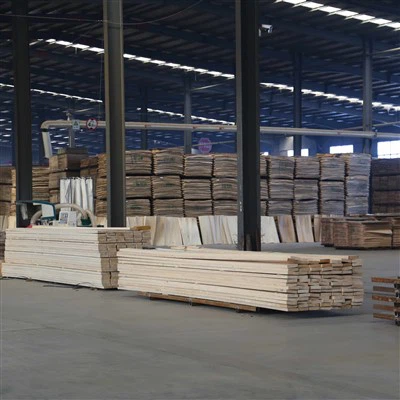
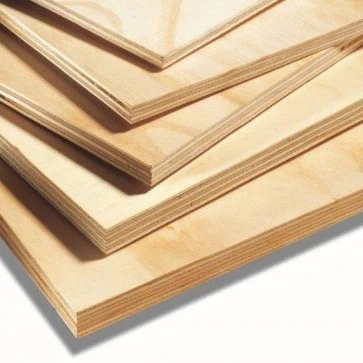
In the construction industry, easy-to-release construction formwork plywood is a widely used material. It offers convenience and efficiency in the construction process, allowing for the smooth creation of concrete structures. However, like many construction materials, it also presents a significant challenge: waste management. As a supplier of easy-to-release construction formwork plywood, I understand the importance of addressing this issue not only for environmental reasons but also for the long-term sustainability of the industry. In this blog, I will share some effective ways to deal with the waste of easy-to-release construction formwork plywood.
Understanding the Sources of Waste
Before we can effectively deal with the waste, it's crucial to understand where it comes from. There are several common sources of waste in the use of easy-to-release construction formwork plywood. Firstly, during the cutting process, offcuts are inevitable. Construction workers need to cut the plywood to fit the specific dimensions of the construction project, and these leftover pieces are often discarded. Secondly, after multiple uses, the plywood may become damaged or worn out. The easy-to-release coating may wear off, or the plywood itself may crack or warp, making it unfit for further use. Thirdly, changes in construction plans can also lead to waste. If a project is modified or cancelled, the pre-cut formwork plywood may no longer be needed.
Recycling and Reuse
One of the most effective ways to deal with the waste of easy-to-release construction formwork plywood is through recycling and reuse. Recycling can significantly reduce the amount of waste sent to landfills and conserve natural resources. There are specialized recycling facilities that can process the plywood waste. These facilities can break down the plywood into its basic components, such as wood fibers and resin, and then use these materials to produce new products. For example, the recycled wood fibers can be used to make particleboard or fiberboard, which can be used in other construction projects.
Reuse is another great option. Instead of discarding the slightly damaged or used formwork plywood, it can be repaired and reused. For instance, if the easy-to-release coating has worn off, it can be reapplied. Minor cracks or warps can be fixed, and the plywood can be made suitable for further use. This not only reduces waste but also saves costs for construction companies. As a supplier, I encourage my customers to explore these recycling and reuse options. We can even provide guidance on how to repair and reuse the formwork plywood, and connect them with reliable recycling facilities.
Donation and Resale
Another way to deal with the waste is through donation and resale. There may be smaller construction projects or DIY enthusiasts who can make use of the slightly used or surplus formwork plywood. Construction companies can donate their unwanted formwork plywood to local community projects or non-profit organizations. This not only helps to reduce waste but also contributes to the community. Resale is also a viable option. There are online marketplaces and construction material resale platforms where construction companies can sell their used formwork plywood. This way, the plywood can still have a second life and generate some income for the companies.
Design Optimization
From a supplier's perspective, design optimization is an important aspect of waste reduction. By working closely with construction companies during the project planning stage, we can help them design the formwork more efficiently. This includes minimizing the amount of cutting required and maximizing the use of standard-sized formwork plywood. For example, using modular design principles can allow for more efficient use of the plywood. Instead of cutting multiple small pieces, larger, pre-fabricated modules can be used, which can reduce the amount of offcuts.
We can also provide customized formwork solutions based on the specific needs of the project. By accurately measuring and designing the formwork, we can ensure that the plywood is used as efficiently as possible. This not only reduces waste but also improves the overall quality and efficiency of the construction project.


Education and Training
Education and training play a crucial role in waste management. Construction workers need to be aware of the importance of waste reduction and the available options for dealing with formwork plywood waste. As a supplier, I can organize training sessions for construction companies and their workers. These sessions can cover topics such as proper handling and storage of formwork plywood to extend its lifespan, how to identify and repair minor damages, and the procedures for recycling and reuse.
By educating the workers, we can change their attitudes towards waste management and encourage them to take more responsible actions. For example, they can be trained to collect and separate the waste properly, making it easier for recycling. They can also be taught to use the formwork plywood more carefully to reduce the occurrence of damage.
Promoting Sustainable Products
As a supplier, I am committed to promoting sustainable products. We offer a range of eco-friendly easy-to-release construction formwork plywood products, such as the Eco Wood Panels Formwork Film-Coated Plywood. These products are made from sustainable wood sources and are designed to have a longer lifespan. They are also easier to recycle and reuse, which helps to reduce waste.
We also have high-quality products like the Best Quality Structural Panels Formwork for Engineering and the 1220*2440 Marine Film Faced Formwork Plywood. These products are designed to withstand multiple uses and are less likely to become damaged, reducing the amount of waste generated over time.
Conclusion
Dealing with the waste of easy-to-release construction formwork plywood is a complex but necessary task. By understanding the sources of waste, promoting recycling and reuse, encouraging donation and resale, optimizing design, providing education and training, and promoting sustainable products, we can significantly reduce the amount of waste generated in the construction industry. As a supplier, I am dedicated to working with my customers to find the best solutions for waste management. If you are interested in our easy-to-release construction formwork plywood products or have any questions about waste management, please feel free to contact me for further discussion and potential procurement negotiations.
References
- Smith, J. (2020). Construction Waste Management: Best Practices. Construction Industry Journal, 15(2), 45-56.
- Brown, A. (2019). Recycling and Reuse of Construction Materials. Environmental Science Review, 22(3), 78-89.
- Green, C. (2021). Sustainable Construction: The Role of Formwork Plywood. Building Sustainability Magazine, 18(4), 32-41.