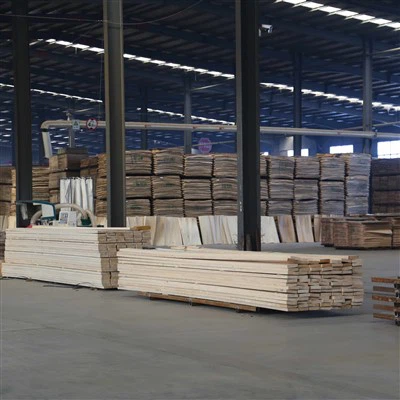
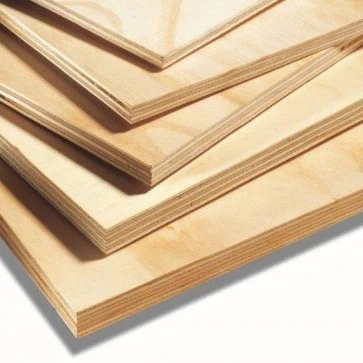
Hey there! As a supplier of Size Structural Wood Panels Formwork, I've seen firsthand how crucial it is to ensure the flatness of these panels during installation. It can be a real headache if things don't go smoothly, but don't worry – I'm here to share some tips and tricks to help you out.
Why Flatness Matters
First off, let's talk about why flatness is such a big deal. When your structural wood panels formwork isn't flat, it can lead to all sorts of problems. For starters, it can affect the quality of the concrete pour. Uneven formwork can cause the concrete to have an uneven surface, which might require extra finishing work later on. It can also lead to issues with the strength and durability of the concrete structure. If the formwork isn't flat, the concrete might not cure evenly, which could weaken the overall structure.
Another reason flatness is important is for safety. Uneven formwork can create tripping hazards for workers on the construction site. It can also put extra stress on the formwork itself, increasing the risk of it collapsing. So, as you can see, ensuring flatness is not just about the quality of the finished product – it's also about keeping everyone safe.
Pre-Installation Checks
Before you even start installing the structural wood panels formwork, there are a few things you should do to make sure everything goes smoothly. First, inspect the panels themselves. Look for any signs of damage, such as cracks, warping, or splintering. If you find any damaged panels, don't use them – they could cause problems with flatness.
Next, check the surface where you'll be installing the formwork. It should be clean, level, and free of any debris. If the surface is uneven, you'll need to level it out before you start installing the formwork. You can use a laser level or a spirit level to check the surface for levelness.
Installation Techniques
Now that you've done your pre-installation checks, it's time to start installing the formwork. Here are some tips to help you ensure flatness:


- Use a Straightedge: A straightedge is a simple tool that can help you check the flatness of the formwork as you're installing it. Place the straightedge on the surface of the formwork and look for any gaps between the straightedge and the formwork. If you find any gaps, adjust the formwork until it's flat.
- Secure the Panels Properly: Make sure the panels are securely fastened to the supporting structure. Use nails, screws, or bolts to attach the panels, depending on the type of formwork you're using. Make sure the fasteners are evenly spaced and tightened properly.
- Stagger the Joints: When installing multiple panels, stagger the joints between the panels. This will help to distribute the load evenly and prevent the formwork from warping.
- Use Shims: If you find that the formwork is slightly uneven, you can use shims to level it out. Shims are small pieces of wood or plastic that you can place under the formwork to raise or lower it. Make sure the shims are evenly spaced and that they don't create any gaps between the formwork and the supporting structure.
Different Sizes of Panels
One of the challenges of ensuring flatness is dealing with different sizes of structural wood panels formwork. Here are some tips for dealing with different sizes:
- Small Panels: Small panels are generally easier to handle and install than large panels. However, they can be more difficult to keep flat because they have a smaller surface area. To ensure flatness when using small panels, make sure they are securely fastened to the supporting structure and that the joints between the panels are staggered.
- Large Panels: Large panels are more prone to warping and bending because of their size. To prevent this, make sure the panels are supported properly during installation. You can use additional supports, such as braces or scaffolding, to help keep the panels flat. You can also use a crane or other lifting equipment to handle the large panels safely and ensure they are installed correctly.
Post-Installation Checks
Once you've installed the formwork, it's important to do a final check to make sure it's flat. Use a straightedge or a laser level to check the surface of the formwork for any unevenness. If you find any issues, make the necessary adjustments before pouring the concrete.
Our Products
At our company, we offer a wide range of Black Shuttering Plywood for Construction, Film Faced Shuttering Plywood for Construction, and Eco Frendliy Wood Panels Formwork Waterproof. Our panels are made from high-quality materials and are designed to be flat and durable. We also offer a variety of sizes and thicknesses to meet your specific needs.
Contact Us
If you're interested in learning more about our products or if you have any questions about ensuring flatness during installation, please don't hesitate to contact us. We'd be happy to help you find the right formwork for your project and provide you with any support you need.
References
- "Construction Formwork and Falsework Handbook" by William A. Klingner
- "Formwork for Concrete" by the American Concrete Institute
So, there you have it – some tips and tricks for ensuring the flatness of different sizes of structural wood panels formwork during installation. By following these tips, you can help to ensure the quality of your concrete pour, keep your workers safe, and get the job done right. If you have any questions or need more information, feel free to reach out. We're here to help!