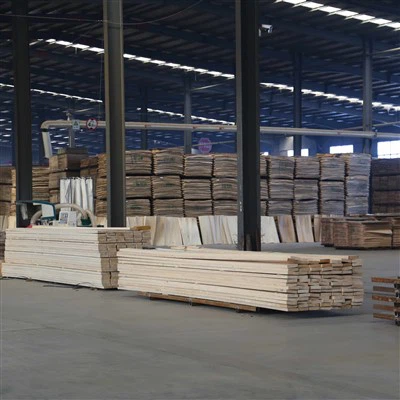
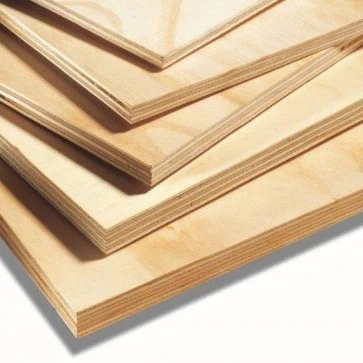
Installing stable structural plywood floor panels in a small space requires careful planning, the right materials, and precise execution. As a supplier of high - quality Stable Structural Plywood Floor Panels, I'm here to guide you through the entire process.
1. Planning and Preparation
Before you start the installation, it's crucial to have a well - thought - out plan. First, measure the small space accurately. Use a tape measure to get the length, width, and any irregularities of the area. This will help you determine the number of plywood panels you need. Make sure to account for waste, as cutting the panels to fit the space may result in some unusable pieces.
Next, assess the subfloor. The subfloor should be clean, dry, and level. Any debris, dirt, or moisture can affect the stability of the plywood floor. If the subfloor is uneven, you may need to use a self - leveling compound to create a smooth surface. Check for any signs of damage, such as rot or loose boards, and repair or replace them as necessary.
2. Selecting the Right Plywood
When it comes to choosing the plywood for your small - space floor, quality is key. Our company offers a variety of options, including Best Quality Outdoor Structural Plywood. This type of plywood is designed to withstand heavy loads and is suitable for both indoor and outdoor applications. It has excellent strength and durability, making it a great choice for small spaces where every square inch counts.
Another option is Waterproof Exterior Structural Plywood Wall Sheathing. If your small space is prone to moisture, such as a basement or a bathroom, this waterproof plywood can prevent water damage and ensure the long - term stability of your floor.
For those who need plywood for formwork or other specific applications, Anticorrosive Structural Plywood Lumber for Formwork is an ideal choice. It has anti - corrosive properties, which can extend the lifespan of the plywood in harsh environments.
3. Tools and Materials
Gather all the necessary tools and materials before you begin the installation. You will need a circular saw or a jigsaw to cut the plywood panels to size. A drill with the appropriate bits is essential for attaching the panels to the subfloor. Other tools include a hammer, a nail gun, a level, a tape measure, and a chalk line.
In addition to the plywood panels, you will need fasteners such as nails or screws. The type of fastener you choose depends on the subfloor material and the load requirements of the floor. For a wooden subfloor, nails or screws can be used. Make sure to use corrosion - resistant fasteners to prevent rust and damage over time. You may also need an adhesive to provide additional stability and prevent squeaking.
4. Cutting the Plywood
Once you have the measurements of the small space, it's time to cut the plywood panels. Mark the cutting lines on the plywood using a chalk line or a straightedge. Make sure to double - check the measurements before cutting to avoid mistakes.


When using a circular saw, set the blade depth to slightly deeper than the thickness of the plywood. Hold the saw firmly and guide it along the cutting line at a steady pace. If you're using a jigsaw, choose a fine - tooth blade for a clean cut. Take your time and make smooth, controlled cuts.
5. Installation Process
Start by laying the first plywood panel in one corner of the small space. Make sure it is aligned with the walls and the subfloor. Use a level to check if the panel is flat. If it's not, adjust the subfloor or use shims to level it.
Secure the panel to the subfloor using nails or screws. Space the fasteners evenly along the edges and in the center of the panel. Follow the manufacturer's recommendations for the spacing of the fasteners. If you're using an adhesive, apply it to the subfloor before laying the panel.
Continue laying the remaining panels, making sure to stagger the joints between the panels. This will increase the strength and stability of the floor. Leave a small expansion gap around the perimeter of the floor to allow for natural expansion and contraction of the plywood due to changes in temperature and humidity.
6. Finishing Touches
After all the panels are installed, use a sander to smooth the surface of the floor. This will remove any rough edges or bumps and give the floor a professional look. You can then apply a finish to the plywood, such as a stain or a clear coat, to protect it from wear and tear and enhance its appearance.
7. Maintenance
To ensure the long - term stability and durability of your plywood floor, regular maintenance is required. Clean the floor regularly with a mild detergent and water. Avoid using abrasive cleaners or tools that can scratch the surface of the plywood.
Check the floor periodically for any signs of damage, such as loose panels or water stains. If you notice any problems, repair them immediately to prevent further damage.
8. Conclusion
Installing stable structural plywood floor panels in a small space is a manageable project if you follow the right steps. By carefully planning, selecting the right materials, using the proper tools, and executing the installation correctly, you can create a beautiful and durable floor that will last for years.
If you're interested in purchasing our high - quality Stable Structural Plywood Floor Panels or have any questions about the installation process, please feel free to contact us for more information and to start a procurement negotiation. We're committed to providing you with the best products and services to meet your needs.
References
- "Plywood Installation Guide", National Plywood Association
- "Building a Strong Floor: Structural Plywood Basics", Home Building Magazine
- "Small Space Flooring Solutions", Interior Design Journal