Hey there! I'm a supplier of indoor structural plywood, and I've seen firsthand how important it is to keep this stuff in tip - top shape. Indoor structural plywood is super versatile and can be used in a bunch of different projects, from building shelves to creating partitions. But like any other material, it needs proper maintenance to last a long time.
Understanding Your Indoor Structural Plywood
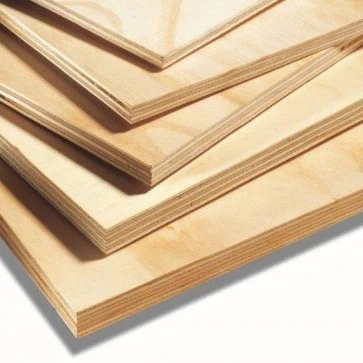
First off, let's talk about what indoor structural plywood actually is. It's made by gluing together multiple layers of wood veneers with the grain of each layer running perpendicular to the adjacent ones. This cross - grain construction gives it strength and stability.
We offer different types of indoor structural plywood. For example, Water-resistant Structural Plywood Roof Panels are great if you're using the plywood in areas where it might get a bit wet, like near a bathroom or in a laundry room. These panels have a special treatment that helps them resist water damage.
Then there's High Load - bearing Capacity Structural Plywood. If you're building something that needs to hold a lot of weight, like a heavy - duty bookshelf or a workbench, this type of plywood is your best bet. It's designed to handle a significant amount of stress without warping or breaking.
And if you have a unique project with specific size requirements, check out Structural Plywood With Customizable Dimensions. We can cut the plywood to the exact size you need, so you don't have to worry about making awkward cuts on your own.
Regular Cleaning
One of the simplest ways to maintain indoor structural plywood is through regular cleaning. Dust and dirt can accumulate on the surface over time, which not only looks bad but can also cause scratches if you're not careful.
For routine cleaning, a soft, dry cloth is usually enough. Just wipe the surface gently to remove any loose dust. If there are some stubborn stains, you can use a mild soap and water solution. Mix a small amount of gentle dish soap with warm water, dip a clean cloth into the solution, wring it out well so it's only slightly damp, and then gently wipe the stained area.
Avoid using harsh chemicals or abrasive cleaners. These can damage the finish of the plywood and even weaken the glue bonds between the layers. After cleaning, make sure to dry the plywood thoroughly with a dry cloth to prevent any moisture from seeping in.
Protecting from Moisture
Moisture is one of the biggest enemies of indoor structural plywood. If it gets too wet, the wood can swell, warp, and even develop mold and mildew.
In areas where there's a higher risk of moisture, like basements or kitchens, you can apply a waterproof sealant. There are different types of sealants available, such as polyurethane or epoxy. Before applying the sealant, make sure the plywood surface is clean and dry. Follow the instructions on the sealant product carefully. Usually, you'll need to apply multiple coats, allowing each coat to dry completely before applying the next one.
Also, be careful with spills. If you accidentally spill water or any other liquid on the plywood, clean it up immediately. Don't let the liquid sit on the surface for too long. And if you're using the plywood in a room with high humidity, consider using a dehumidifier to keep the moisture levels in check.
Avoiding Physical Damage
Indoor structural plywood can be damaged by physical impacts. To prevent this, be careful when moving furniture or other heavy objects around the plywood. Use pads or felt protectors on the legs of furniture to avoid scratching the surface.
If you're working on a project that involves the plywood, use the right tools and techniques. When cutting or drilling, make sure to use sharp tools. Dull tools can cause splintering and rough edges, which not only look bad but can also weaken the plywood in those areas.
Checking for Signs of Wear and Tear
Regularly inspect your indoor structural plywood for any signs of wear and tear. Look for cracks, splits, or delamination (where the layers start to separate). If you notice any of these issues, it's important to address them right away.
For small cracks or splits, you can use wood filler. Apply the filler according to the product instructions, let it dry, and then sand it smooth to match the surrounding surface. If the delamination is minor, you might be able to re - glue the layers together using a strong wood glue. However, if the damage is severe, it might be necessary to replace the damaged section of the plywood.
Storing Plywood Properly
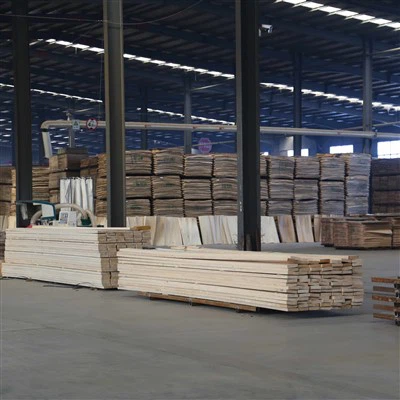
If you have some extra indoor structural plywood that you're not using right away, it's important to store it properly. Store the plywood in a dry, cool place. Avoid storing it in direct sunlight or in areas where the temperature and humidity fluctuate a lot.
Stack the plywood flat and evenly to prevent warping. If you need to stack multiple sheets, place some spacers between the sheets to allow for air circulation. This helps prevent moisture buildup between the sheets.
Preventing Pests
Pests like termites and wood borers can also cause damage to indoor structural plywood. To prevent infestations, keep the area around the plywood clean and free of debris. Pests are attracted to wood that's in contact with dirt or decaying organic matter.
You can also treat the plywood with a pest - resistant finish. There are some products on the market that can help repel pests. Before applying any treatment, make sure to test it on a small, inconspicuous area of the plywood to ensure there are no adverse reactions.
Maintaining the Finish
The finish on indoor structural plywood not only gives it a nice appearance but also provides an extra layer of protection. Over time, the finish can wear off, especially in high - traffic areas.


If the finish starts to look dull or worn, you can refinish the plywood. First, sand the surface lightly to remove any loose or damaged finish. Then, apply a new coat of finish, such as paint, varnish, or stain, depending on your preference. Make sure to follow the instructions on the finish product for the best results.
Conclusion
Maintaining indoor structural plywood isn't that difficult if you follow these simple steps. Regular cleaning, protecting from moisture and physical damage, checking for wear and tear, and proper storage are all key to keeping your plywood in great condition for years to come.
If you're interested in purchasing high - quality indoor structural plywood for your next project, or if you have any questions about maintenance or our products, feel free to reach out. We're here to help you make the most of your plywood and ensure your projects are a success.
References
- "Wood Handbook: Wood as an Engineering Material." USDA Forest Products Laboratory.
- "Plywood: A Comprehensive Guide." Wood Products Council.