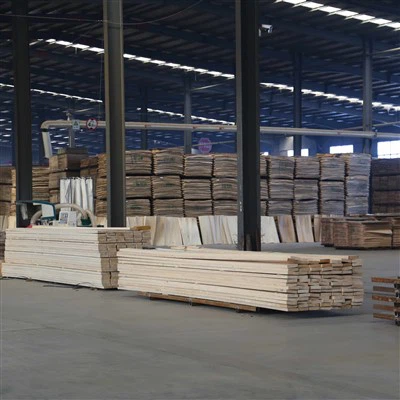
Hey there! As a supplier of laminated veneer lumber (LVL) columns, I often get asked about how to measure the compression strength of these columns. It's a crucial aspect, especially when you're using LVL columns in construction projects. In this blog, I'll walk you through the process and share some insights from my experience in the industry.
Why Measuring Compression Strength Matters
First off, let's talk about why measuring the compression strength of LVL columns is so important. Compression strength refers to the maximum load a column can bear before it fails under compression. In construction, LVL columns are used to support heavy loads, like the weight of floors, roofs, and other structural elements. If the compression strength of a column isn't sufficient, it can lead to structural failures, which are not only costly but also dangerous.
For example, in a multi - story building, the LVL columns on the lower floors need to withstand a much higher load compared to those on the upper floors. By accurately measuring the compression strength, architects and engineers can ensure that the right columns are used in the right places, guaranteeing the safety and stability of the entire structure.
Preparing for the Compression Strength Test
Before you start measuring the compression strength of LVL columns, there are a few things you need to do.
Selecting the Right Samples
You can't just test any random LVL column. You need to select representative samples. This means choosing columns that are similar in terms of size, grade, and manufacturing process. If you're a supplier like me, you'll know that different batches of LVL columns might have slight variations. So, it's a good idea to take samples from different parts of a batch to get a more accurate picture.
Measuring the Dimensions
Accurately measure the dimensions of the LVL column samples. You'll need to know the cross - sectional area (usually in square inches or square centimeters) and the length of the column. The cross - sectional area is important because it affects how the load is distributed across the column. A larger cross - sectional area can generally withstand a higher load.


Conditioning the Samples
LVL columns can be affected by environmental factors such as humidity and temperature. To get consistent test results, it's recommended to condition the samples in a controlled environment for a certain period. This usually means keeping the samples at a standard temperature (around 20 - 25 degrees Celsius) and relative humidity (around 60 - 65%) for at least 24 hours.
Conducting the Compression Strength Test
Once you've prepared the samples, it's time to conduct the test.
Using a Compression Testing Machine
The most common way to measure the compression strength of LVL columns is by using a compression testing machine. These machines are designed to apply a gradually increasing load to the column until it fails. You simply place the LVL column sample in the machine, making sure it's centered and properly aligned.
Applying the Load
Start applying the load at a slow and steady rate. The rate of loading is important because if you apply the load too quickly, the column might fail prematurely, giving you inaccurate results. A typical loading rate for LVL columns is around 0.05 - 0.1 inches per minute.
Recording the Data
As the load is being applied, you need to record the load and the corresponding deformation (the amount the column compresses) at regular intervals. You can use a data acquisition system to make this process easier. Keep recording the data until the column fails. The maximum load the column can withstand before failure is the compression strength.
Interpreting the Test Results
Once the test is complete, it's time to interpret the results.
Calculating the Compression Strength
To calculate the compression strength, you divide the maximum load (in pounds or newtons) by the cross - sectional area of the column (in square inches or square centimeters). The result is the compression strength in pounds per square inch (psi) or megapascals (MPa).
Comparing with Standards
After calculating the compression strength, you need to compare it with the relevant standards. There are industry standards for LVL columns, and different applications might have different requirements. For example, LVL columns used in residential construction might have different strength requirements compared to those used in commercial buildings.
If the compression strength of your LVL columns meets or exceeds the standards, it's a good sign. But if the results are below the standards, you need to investigate why. It could be due to issues in the manufacturing process, such as poor bonding between the veneers or incorrect moisture content.
Factors Affecting Compression Strength
There are several factors that can affect the compression strength of LVL columns.
Veneer Quality
The quality of the veneers used in the LVL columns plays a big role. High - quality veneers with fewer defects, such as knots and cracks, can result in stronger columns. As a supplier, I always make sure to source the best veneers to ensure the highest quality of our LVL columns.
Bonding Strength
The bonding between the veneers is crucial. If the adhesive used to bond the veneers is of poor quality or if the bonding process isn't done correctly, the compression strength of the column will be affected. We use advanced bonding techniques and high - quality adhesives to ensure strong bonds between the veneers in our Anti - corrosion LVL Columns Support.
Column Size and Shape
The size and shape of the column also matter. Generally, larger columns with a larger cross - sectional area can withstand a higher load. However, the shape of the column can also affect its stability. For example, a square or rectangular column might have different load - bearing characteristics compared to a circular column.
Our LVL Columns
At our company, we take pride in providing high - quality LVL columns. Our Size LVL Lumber comes in a variety of sizes to meet different construction needs. Whether you're building a small house or a large commercial complex, we have the right columns for you.
Our Good Quality LVL Columns for Structural Columns are tested rigorously to ensure they meet or exceed industry standards. We conduct regular compression strength tests on our columns to guarantee their safety and reliability.
Conclusion
Measuring the compression strength of LVL columns is a critical step in ensuring the safety and stability of construction projects. By following the steps I've outlined in this blog, you can accurately measure the compression strength of your LVL columns.
If you're in the market for high - quality LVL columns, look no further. We're here to provide you with the best products and support. Whether you have questions about our products or want to discuss a specific project, don't hesitate to get in touch. We're always happy to have a chat and help you find the right LVL columns for your needs. Let's work together to build safe and strong structures!
References
- ASTM D143 - Standard Test Methods for Small Clear Specimens of Timber
- ANSI/APA PRG 320 - Product Standard for Performance - Rated Laminated Veneer Lumber