When it comes to constructing a reliable and durable roof, the quality of the structural plywood roof panels plays a pivotal role. As a supplier of Good Quaility Structural Plywood Roof Panels, I understand the importance of ensuring that these panels meet the highest standards. In this blog post, I will share some key methods and factors to consider when measuring the quality of good quality structural plywood roof panels.
1. Material Composition
The first step in assessing the quality of structural plywood roof panels is to examine their material composition. High - quality panels are typically made from premium wood species. The type of wood used affects the panel's strength, durability, and resistance to environmental factors. For example, some species of hardwood are known for their high density and strength, which make them ideal for withstanding heavy loads and harsh weather conditions.
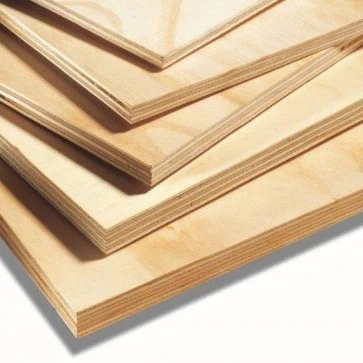
The veneers that make up the plywood should be free from defects such as knots, splits, and decay. Knots can weaken the panel and reduce its load - bearing capacity, while decay can lead to structural failure over time. A good quality panel will have evenly spaced and well - bonded veneers. The adhesive used to bond the veneers is also crucial. High - quality adhesives provide strong bonds that can withstand moisture, temperature changes, and mechanical stress.
2. Panel Thickness and Density
The thickness of the structural plywood roof panel is an important factor in determining its strength and load - bearing capacity. Thicker panels are generally stronger and more suitable for applications where heavy loads are expected. However, the thickness should be appropriate for the specific roofing requirements. For example, in a residential roof, a panel thickness of 1/2 inch to 3/4 inch may be sufficient, while in a commercial or industrial building, thicker panels may be needed.
Density is another key parameter. Higher density plywood usually indicates better quality as it is more resistant to warping, cracking, and impact. A denser panel can also provide better insulation and soundproofing properties. To measure the density, you can calculate the mass of a known volume of the panel. A good quality structural plywood roof panel should have a consistent density throughout its cross - section.
3. Moisture Resistance
Roof panels are exposed to various weather conditions, including rain, snow, and humidity. Therefore, moisture resistance is a critical quality factor. Good quality structural plywood roof panels should be treated to resist moisture absorption. One way to measure moisture resistance is to conduct a water soak test. Cut a small sample of the panel and immerse it in water for a specified period, usually 24 hours. After the soak, measure the increase in weight and thickness of the sample. A high - quality panel will show minimal changes in weight and thickness, indicating good moisture resistance.
Another aspect of moisture resistance is the panel's ability to resist delamination due to moisture. Delamination occurs when the veneers separate from each other, which can significantly weaken the panel. A well - made panel with a moisture - resistant adhesive will be less likely to delaminate even in wet conditions.


4. Strength and Load - Bearing Capacity
The strength and load - bearing capacity of structural plywood roof panels are essential for ensuring the safety and stability of the roof. There are several tests that can be used to measure these properties.
The bending strength test is commonly used to evaluate the panel's ability to withstand bending forces. In this test, a sample of the panel is supported at two points and a load is applied at the center until the panel fails. The maximum load that the panel can withstand before failure is recorded as its bending strength. A good quality panel should have a high bending strength to resist the weight of the roofing materials, snow, and wind loads.
The shear strength test measures the panel's ability to resist forces that act parallel to its surface. This is important as the roof panels may be subjected to shear forces during high - wind events or seismic activity. A panel with high shear strength is less likely to fail under these conditions.
High Load - bearing Capacity Structural Plywood is designed to meet the demanding requirements of heavy - load applications. When selecting roof panels, it is important to choose panels with appropriate strength and load - bearing capacity based on the specific design and usage requirements.
5. Dimensional Stability
Dimensional stability refers to the panel's ability to maintain its shape and size under different environmental conditions. Changes in temperature and humidity can cause the panel to expand or contract, which can lead to warping, buckling, or gaps in the roof.
To measure dimensional stability, you can expose a sample of the panel to different temperature and humidity levels and measure the changes in its dimensions. A good quality panel will have minimal dimensional changes, ensuring a tight and stable fit on the roof structure.
Stable Indoor Structural Plywood is often used in applications where dimensional stability is crucial. Although roof panels are exposed to outdoor conditions, the same principles of dimensional stability apply.
6. Surface Finish
The surface finish of the structural plywood roof panel can also affect its quality. A smooth and even surface finish is desirable as it provides a better base for the application of roofing materials such as shingles or waterproof membranes. Rough or uneven surfaces can cause problems during installation and may lead to premature failure of the roofing system.
The surface should also be free from any contaminants or residues that could affect the adhesion of the roofing materials. A high - quality panel will have a clean and well - finished surface that is ready for immediate use in the roofing project.
7. Compliance with Standards
Good quality structural plywood roof panels should comply with relevant industry standards and building codes. These standards ensure that the panels meet minimum requirements for strength, durability, and safety. For example, in the United States, the American Plywood Association (APA) has established standards for structural plywood. Panels that are certified by the APA have been tested and verified to meet these standards.
When purchasing structural plywood roof panels, it is important to ask for certification and documentation to ensure that the panels meet the necessary quality and safety requirements.
Conclusion
Measuring the quality of good quality structural plywood roof panels involves a comprehensive assessment of various factors, including material composition, thickness and density, moisture resistance, strength and load - bearing capacity, dimensional stability, surface finish, and compliance with standards. As a supplier of Good Quaility Structural Plywood Roof Panels, I am committed to providing high - quality products that meet the strictest quality criteria.
If you are in the market for structural plywood roof panels and want to ensure that you are getting the best quality, I encourage you to contact us for a detailed discussion about your specific requirements. We can provide you with samples, technical specifications, and any other information you may need to make an informed decision. Let's work together to build a reliable and durable roof for your project.
References
- American Plywood Association (APA). Structural Plywood Standards and Guidelines.
- Wood Handbook: Wood as an Engineering Material. Forest Products Laboratory.