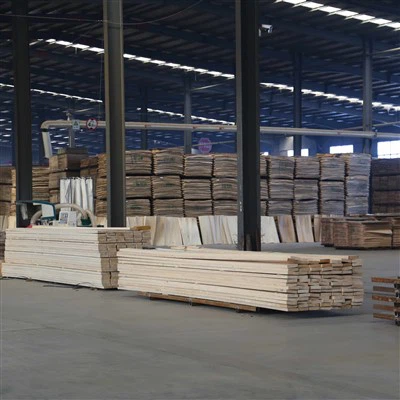
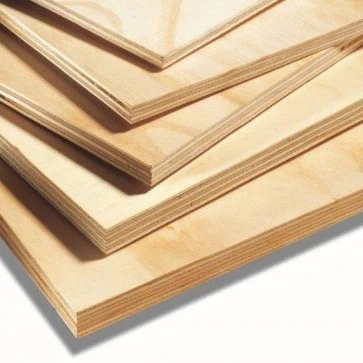
Outdoor structural plywood is a crucial material in various construction and outdoor projects. As a supplier of outdoor structural plywood, I understand the importance of ensuring its quality. In this blog post, I'll share some key methods and factors to measure the quality of outdoor structural plywood, which will help you make informed decisions when choosing the right product for your projects.
1. Visual Inspection
Visual inspection is the first step in assessing the quality of outdoor structural plywood. Start by examining the surface of the plywood. A high - quality outdoor structural plywood should have a smooth and even surface. Look for any visible defects such as knots, holes, cracks, or delamination.
Knots can weaken the structural integrity of the plywood, especially if they are large or loose. Holes and cracks can allow moisture to penetrate, leading to rot and decay over time. Delamination, which is the separation of the plywood layers, is a serious issue that can significantly reduce the strength of the material.
Also, check the edges of the plywood. They should be straight and free from any chips or splinters. A well - cut edge indicates better manufacturing quality and can make the installation process smoother.
2. Moisture Resistance
One of the most important properties of outdoor structural plywood is its moisture resistance. Since it is used outdoors, it will be exposed to various weather conditions, including rain, snow, and high humidity.
To test the moisture resistance, you can perform a simple water absorption test. Cut a small sample of the plywood and immerse it in water for a specific period, usually 24 hours. After that, remove the sample from the water and measure its weight. Calculate the percentage of weight gain due to water absorption. A high - quality outdoor structural plywood should have a relatively low water absorption rate.
Another way to evaluate moisture resistance is to check the type of adhesive used in the plywood. Plywood bonded with waterproof adhesives, such as phenol - formaldehyde resin, generally has better moisture resistance than those using other types of adhesives.
3. Strength and Stiffness
The strength and stiffness of outdoor structural plywood are critical for its performance in structural applications. You can refer to the product's technical specifications provided by the manufacturer to obtain information about its strength properties, such as bending strength and shear strength.
In addition, you can perform a simple bending test on a small sample of the plywood. Place the sample on two supports and apply a load at the center. Observe how the plywood bends under the load. A high - quality plywood should be able to withstand a certain amount of load without excessive bending or breaking.
The stiffness of the plywood can also be estimated by measuring the deflection of the sample under the load. A stiffer plywood will have a lower deflection, indicating better performance in supporting loads.
4. Dimensional Stability
Dimensional stability is another important factor to consider when measuring the quality of outdoor structural plywood. Changes in temperature and humidity can cause the plywood to expand or contract, which may lead to warping, buckling, or other problems.


To assess dimensional stability, you can measure the dimensions of the plywood sample at different humidity levels. A high - quality outdoor structural plywood should have minimal dimensional changes under varying environmental conditions. This can help ensure that the plywood retains its shape and fit during installation and long - term use.
5. Chemical Resistance
Outdoor structural plywood may be exposed to various chemicals, such as fertilizers, pesticides, and industrial pollutants. Therefore, it is important to evaluate its chemical resistance.
You can perform chemical resistance tests by exposing small samples of the plywood to different chemicals for a certain period. Observe any changes in the appearance or properties of the samples, such as discoloration, swelling, or loss of strength. A high - quality outdoor structural plywood should have good resistance to common chemicals used in outdoor environments.
6. Certification and Standards
It is essential to choose outdoor structural plywood that meets relevant industry standards and certifications. For example, in many countries, plywood used in structural applications must comply with national or international standards such as ASTM (American Society for Testing and Materials) or EN (European Norms).
Certifications from independent testing organizations can also provide assurance of the plywood's quality. Look for labels or marks on the plywood indicating that it has been tested and certified according to specific standards.
Our Product Offerings
As an outdoor structural plywood supplier, we offer a range of high - quality products to meet different customer needs. For example, our Anti - corrosion Structural Plywood for Dock Pavement is specifically designed for use in dock pavements, where it needs to withstand harsh marine environments.
Our 4*8 Construction Use Structural Plywood Waterproof is a popular choice for general construction projects. It has excellent waterproof properties and can be used in various outdoor structures.
We also provide High Standard Structural Plywood Size, which meets high - quality standards and is available in different sizes to suit your specific requirements.
Conclusion
Measuring the quality of outdoor structural plywood involves a comprehensive evaluation of its visual appearance, moisture resistance, strength, stiffness, dimensional stability, chemical resistance, and compliance with standards. By using the methods and factors mentioned above, you can make a more informed decision when purchasing outdoor structural plywood.
If you are interested in our outdoor structural plywood products or have any questions about quality assessment, please feel free to contact us for more information and to start a procurement negotiation. We are committed to providing you with the best products and services to meet your project needs.
References
- ASTM International. (Year). Standard specifications for plywood products.
- European Committee for Standardization. (Year). EN standards for structural plywood.
- Plywood Manufacturers Association. (Year). Technical guidelines for outdoor structural plywood.