As a supplier of structural wood panels formwork, I've witnessed firsthand the challenges that construction professionals face when it comes to preventing cracking in these essential building components. Cracking in structural wood panels formwork can lead to a host of problems, including compromised structural integrity, increased construction costs, and delays in project timelines. In this blog post, I'll share some practical tips and strategies for preventing cracking in structural wood panels formwork, drawing on my experience in the industry and the latest research in the field.
Understanding the Causes of Cracking
Before we delve into prevention strategies, it's important to understand the underlying causes of cracking in structural wood panels formwork. There are several factors that can contribute to cracking, including:
- Moisture Content: Wood is a hygroscopic material, which means it absorbs and releases moisture depending on the relative humidity of its environment. When the moisture content of wood changes, it can cause the wood to expand or contract, leading to cracking.
- Improper Installation: Incorrect installation of structural wood panels formwork can also lead to cracking. This can include using the wrong type of fasteners, not providing adequate support, or failing to follow the manufacturer's installation instructions.
- Overloading: Excessive loads on structural wood panels formwork can cause the panels to crack. This can occur when the formwork is not designed to support the weight of the concrete or when the concrete is poured too quickly.
- Thermal Expansion and Contraction: Temperature changes can cause wood to expand and contract, which can lead to cracking. This is particularly common in areas with extreme temperature fluctuations.
Prevention Strategies
Now that we understand the causes of cracking in structural wood panels formwork, let's explore some strategies for preventing it.
1. Control Moisture Content
One of the most effective ways to prevent cracking in structural wood panels formwork is to control the moisture content of the wood. This can be achieved by:
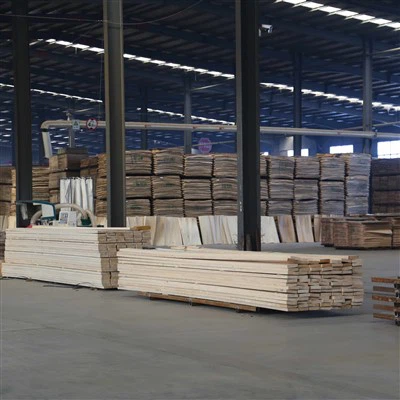
- Storing Wood Properly: Store structural wood panels formwork in a dry, well-ventilated area to prevent moisture absorption. Avoid storing the panels on the ground or in direct contact with moisture.
- Preconditioning Wood: Before installing the formwork, allow the wood to acclimate to the environment where it will be used. This can help reduce the risk of cracking due to moisture changes.
- Using Moisture Barriers: Consider using moisture barriers, such as plastic sheeting or waterproof coatings, to protect the formwork from moisture. This can be particularly useful in areas with high humidity or where the formwork will be exposed to water.
2. Ensure Proper Installation
Proper installation is crucial for preventing cracking in structural wood panels formwork. Here are some tips to ensure correct installation:
- Use the Right Fasteners: Select the appropriate type and size of fasteners for the formwork. Follow the manufacturer's recommendations for fastener spacing and installation techniques.
- Provide Adequate Support: Ensure that the formwork is properly supported to prevent overloading and cracking. This may include using vertical and horizontal supports, as well as bracing to prevent lateral movement.
- Follow Manufacturer's Instructions: Always follow the manufacturer's installation instructions for the structural wood panels formwork. This will help ensure that the formwork is installed correctly and that it performs as intended.
3. Avoid Overloading
To prevent cracking due to overloading, it's important to design the formwork to support the weight of the concrete and any other loads that will be placed on it. Here are some tips to avoid overloading:


- Calculate Loads Accurately: Use engineering calculations to determine the maximum loads that the formwork will need to support. This will help ensure that the formwork is designed to handle the expected loads.
- Pour Concrete Slowly: Pouring concrete too quickly can cause excessive loads on the formwork, leading to cracking. Pour the concrete in layers and allow each layer to set before adding the next.
- Monitor Loads During Construction: Regularly monitor the loads on the formwork during construction to ensure that they do not exceed the design capacity. Make adjustments as needed to prevent overloading.
4. Account for Thermal Expansion and Contraction
To prevent cracking due to thermal expansion and contraction, consider the following strategies:
- Allow for Expansion Joints: Incorporate expansion joints into the formwork design to allow for thermal movement. This can help prevent cracking by providing space for the wood to expand and contract without causing damage.
- Use Flexible Materials: Consider using flexible materials, such as rubber gaskets or foam seals, at joints and connections to accommodate thermal movement.
- Monitor Temperature Changes: Keep an eye on temperature changes during construction and take appropriate measures to protect the formwork. This may include covering the formwork with insulation or shading it from direct sunlight.
The Role of High - Quality Formwork
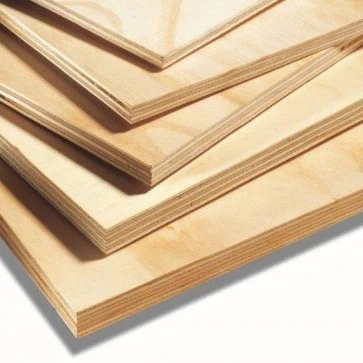
Investing in high - quality structural wood panels formwork can also play a significant role in preventing cracking. For instance, our Size Structural Wood Panels Formwork is designed to meet the highest standards of quality and performance. These panels are carefully engineered to withstand the rigors of construction, including moisture, loads, and temperature changes.
Our Eco Frendliy Wood Panels Formwork Waterproof is another excellent option. It not only helps in preventing cracking by resisting moisture but also has the added benefit of being environmentally friendly. The waterproof feature ensures that the panels maintain their integrity even in wet conditions, reducing the risk of cracking due to moisture - related issues.
The Black Shuttering Plywood for Construction we offer is also a top - notch choice. It is known for its durability and strength, which are essential for preventing cracking in formwork. The black shuttering plywood provides a smooth surface for the concrete, and its robust construction can withstand the pressures and stresses during the construction process.
Conclusion
Preventing cracking in structural wood panels formwork is essential for ensuring the success of construction projects. By controlling moisture content, ensuring proper installation, avoiding overloading, and accounting for thermal expansion and contraction, you can significantly reduce the risk of cracking. Additionally, investing in high - quality formwork from a reliable supplier like us can provide an extra layer of protection.
If you're interested in learning more about our structural wood panels formwork or have any questions regarding prevention of cracking, we invite you to reach out for a procurement discussion. Our team of experts is ready to assist you in selecting the right formwork for your project and providing you with the support you need to ensure its success.
References
- Forest Products Laboratory. (2010). Wood Handbook: Wood as an Engineering Material. U.S. Department of Agriculture, Forest Service.
- American Wood Council. (2018). National Design Specification for Wood Construction.