Preventing outdoor structural plywood from warping is a common concern for many folks, especially those in construction and DIY projects. As a supplier of outdoor structural plywood, I've seen firsthand how warped plywood can mess up a project. In this blog, I'll share some tips on how to prevent that pesky warping and keep your plywood in top shape.
Understanding Why Plywood Warps
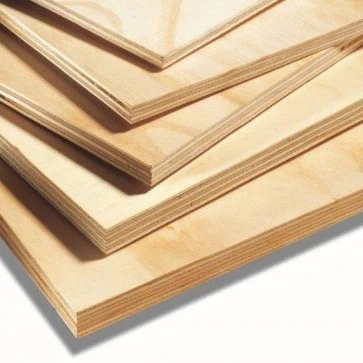
Before we dive into prevention methods, it's important to understand why plywood warps in the first place. Plywood is made by gluing together thin layers of wood veneer. These layers are arranged in a cross-grain pattern, which gives plywood its strength. However, wood is a natural material that expands and contracts with changes in humidity and temperature. When one side of the plywood gets wetter or drier than the other, it can cause the wood to expand or contract unevenly, leading to warping.
Choose the Right Plywood
The first step in preventing warping is to choose the right type of plywood for your project. Look for plywood that is specifically designed for outdoor use. Outdoor structural plywood is usually made with waterproof glue and is more resistant to moisture than regular plywood. For example, you can check out our Best Quality Outdoor Structural Plywood. This type of plywood is built to withstand the elements and is less likely to warp.


Another important factor to consider is the grade of the plywood. Higher-grade plywood generally has fewer defects and is more stable. When you're buying plywood, look for labels that indicate the grade, such as A, B, C, or D. A-grade plywood is the highest quality and is less likely to warp.
Proper Storage
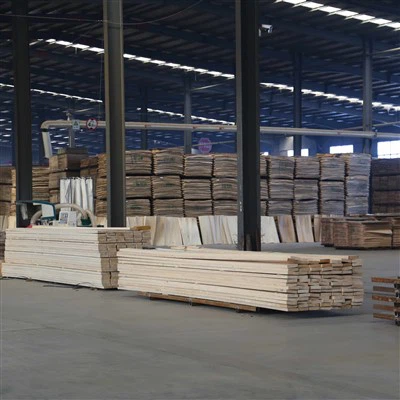
How you store your plywood can also have a big impact on whether it warps or not. When you're storing plywood outdoors, make sure it's protected from the elements. Cover it with a waterproof tarp to keep it dry. If possible, store the plywood on a flat surface and stack it evenly. This will help prevent uneven pressure on the plywood, which can cause warping.
If you're storing plywood indoors, make sure the area is well-ventilated and has a stable temperature and humidity level. Avoid storing plywood in areas that are prone to high humidity, such as basements. You can also use a dehumidifier to control the humidity in the storage area.
Installation Techniques
Proper installation techniques are crucial for preventing warping. When you're installing outdoor structural plywood, make sure the surface you're installing it on is flat and level. Any unevenness in the surface can cause the plywood to warp over time.
Leave a small gap between the plywood sheets to allow for expansion and contraction. If you butt the sheets together tightly, there won't be any room for the wood to expand, which can lead to warping. The recommended gap is usually around 1/8 inch.
Also, use the right type of fasteners. Stainless steel or galvanized nails or screws are a good choice because they're resistant to rust. Make sure the fasteners are long enough to penetrate the plywood and the underlying surface securely.
Finishing and Sealing
Applying a finish or sealant to the plywood can help protect it from moisture and prevent warping. There are several types of finishes and sealants available, such as paint, stain, and waterproofing sealants.
Paint is a good option because it provides a protective barrier and can enhance the appearance of the plywood. Make sure to apply at least two coats of paint to ensure good coverage. Stain is another option that can bring out the natural beauty of the wood while still providing some protection.
Waterproofing sealants are specifically designed to protect the plywood from moisture. They can be applied to the surface of the plywood and penetrate the wood to prevent water from soaking in. Applying a sealant to all sides and edges of the plywood is important to ensure complete protection.
Maintenance
Regular maintenance is key to keeping your outdoor structural plywood in good condition and preventing warping. Inspect the plywood regularly for signs of damage or moisture. If you notice any areas that are starting to warp or show signs of water damage, take action immediately.
Clean the plywood regularly to remove dirt, debris, and mold. You can use a mild detergent and water to clean the surface. Avoid using harsh chemicals or abrasive cleaners, as they can damage the finish of the plywood.
If you live in an area with extreme weather conditions, such as heavy rain or snow, you may need to take extra precautions to protect the plywood. For example, you can install a roof or awning to provide additional protection from the elements.
Conclusion
Preventing outdoor structural plywood from warping requires a combination of choosing the right plywood, proper storage, installation, finishing, and maintenance. By following these tips, you can ensure that your plywood stays in good condition and lasts for a long time.
If you're in the market for outdoor structural plywood, we offer a wide range of options, including Stable Structural Plywood Floor Panels and Cheap Price Structural Plywood for Building Construction. We're here to help you find the right plywood for your project and provide you with the best advice on how to prevent warping. If you have any questions or want to discuss your procurement needs, feel free to reach out. We're always happy to have a chat and help you get the best results for your projects.
References
- Wood Handbook: Wood as an Engineering Material. Forest Products Laboratory.
- Plywood Association Technical Information. APA - The Engineered Wood Association.