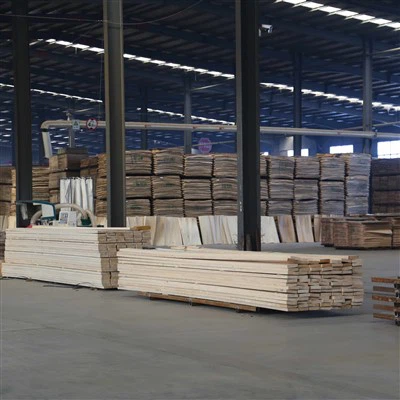
As a seasoned supplier of Anti-corrosion LVL Columns Support, I understand the paramount importance of ensuring these essential construction elements reach their destination in pristine condition. Transporting these columns is fraught with potential hazards that can lead to damage, which not only incurs additional costs but also delays projects. In this blog, I will share some effective strategies to prevent Anti-corrosion LVL Columns Support from being damaged during transportation.
Understanding the Vulnerabilities of Anti-corrosion LVL Columns Support
Before delving into prevention methods, it's crucial to understand what makes these columns susceptible to damage. LVL (Laminated Veneer Lumber) is a composite wood product made by bonding multiple layers of thin wood veneers together with adhesives. While it offers high strength and stability, it can be damaged by impacts, moisture, and improper handling. Anti-corrosion treatments add an extra layer of protection, but they are not invincible.
1. Proper Packaging
One of the first steps in preventing damage during transportation is to ensure proper packaging. The columns should be wrapped in a protective material that can withstand the rigors of transit. For instance, a heavy-duty plastic wrap can provide a barrier against moisture and minor scratches. Additionally, padding materials such as foam or bubble wrap can be used to cushion the columns and absorb any shocks or impacts.
It's also important to use packaging that is appropriate for the size and shape of the columns. Custom-made crates or pallets can be designed to hold the columns securely in place, preventing them from shifting during transit. This reduces the risk of damage caused by rubbing against each other or other objects in the cargo hold.
2. Secure Loading and Unloading
Loading and unloading are critical stages in the transportation process where damage can easily occur. It's essential to use proper equipment and techniques to ensure the columns are handled safely. Forklifts or cranes should be used to lift the columns, and the operators should be trained to handle them with care.


When loading the columns onto the transport vehicle, they should be arranged in a way that distributes the weight evenly. This helps to prevent the columns from tipping over or being crushed under the weight of other items. Additionally, the columns should be secured to the vehicle using straps or ropes to prevent them from moving during transit.
During unloading, the same level of care should be taken. The columns should be removed from the vehicle one by one, and any packaging or securing materials should be removed carefully to avoid damaging the columns.
3. Choosing the Right Transport Method
The choice of transport method can also have a significant impact on the safety of the columns during transit. For short distances, trucks may be the most convenient option. However, it's important to choose a truck that is in good condition and has a suitable suspension system to absorb shocks.
For longer distances or international shipments, shipping containers may be a better choice. Shipping containers provide a more secure and protected environment for the columns, reducing the risk of damage from weather conditions and other external factors. However, it's important to ensure that the containers are properly sealed and ventilated to prevent moisture buildup.
4. Monitoring and Tracking
Monitoring and tracking the columns during transportation can help to identify any potential issues early on and take corrective action. GPS tracking devices can be installed on the transport vehicle or the columns themselves to provide real-time information about their location and condition.
Additionally, sensors can be used to monitor factors such as temperature, humidity, and vibration. If any of these factors exceed the recommended levels, an alert can be sent to the supplier or the customer, allowing them to take appropriate action.
5. Staff Training
Finally, it's important to ensure that all staff involved in the transportation process are properly trained. This includes drivers, loading and unloading operators, and warehouse staff. Training should cover topics such as proper handling techniques, safety procedures, and the importance of preventing damage to the columns.
By investing in staff training, you can ensure that everyone involved in the transportation process understands their role in protecting the columns and is equipped with the knowledge and skills to do so effectively.
Conclusion
Preventing damage to Anti-corrosion LVL Columns Support during transportation requires a comprehensive approach that includes proper packaging, secure loading and unloading, choosing the right transport method, monitoring and tracking, and staff training. By implementing these strategies, you can minimize the risk of damage and ensure that your columns arrive at their destination in perfect condition.
If you are interested in purchasing Standard Grade LVL Structural Columns, Size LVL Lumber, or LVL Keel Base Material For Decoration, please feel free to contact us for a detailed discussion and to explore the best solutions for your project. We are committed to providing high-quality products and excellent service to meet your needs.
References
- "Laminated Veneer Lumber: Properties and Performance" by the American Wood Council
- "Transportation of Construction Materials: Best Practices" by the Construction Industry Institute