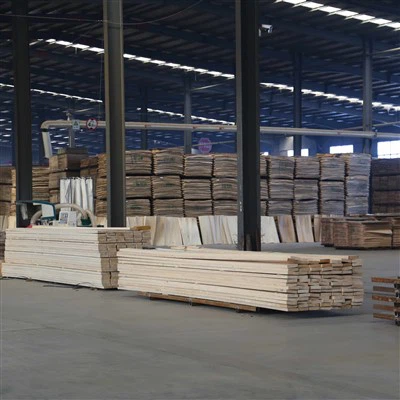
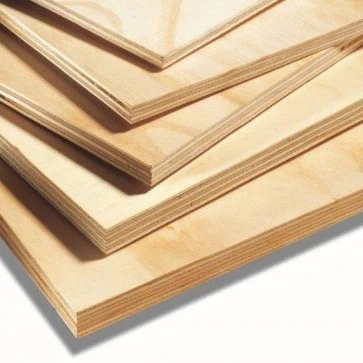
In the construction industry, structural wood panels formwork plays a crucial role in shaping concrete structures. However, the weight of these formworks can pose challenges in terms of transportation, handling, and overall project efficiency. As a supplier of structural wood panels formwork, I understand the importance of finding ways to reduce their weight without sacrificing strength. In this blog post, I will share some strategies and considerations that can help achieve this goal.
Understanding the Requirements of Structural Wood Panels Formwork
Before delving into weight reduction methods, it is essential to understand the specific requirements of structural wood panels formwork. These formworks must be able to withstand the pressure exerted by wet concrete during the pouring and curing process. They also need to maintain their shape and integrity to ensure the accuracy of the concrete structure. Additionally, factors such as durability, reusability, and cost - effectiveness are important considerations for construction projects.


Material Selection
One of the primary ways to reduce the weight of structural wood panels formwork is through careful material selection. Traditional wood - based formworks are often made from solid timber or thick plywood. However, advancements in wood technology have introduced lighter alternatives.
Engineered Wood Products
Engineered wood products, such as oriented strand board (OSB) and laminated veneer lumber (LVL), can be excellent choices for formwork. OSB is made by compressing strands of wood together with adhesives. It has a relatively low density compared to solid wood, which can significantly reduce the weight of the formwork. LVL, on the other hand, is composed of multiple layers of veneer glued together with the grain running in the same direction. It offers high strength - to - weight ratio, making it suitable for structural applications while being lighter than solid timber.
Lightweight Core Materials
Another option is to use formworks with lightweight core materials. For example, some manufacturers produce panels with a honeycomb or foam core sandwiched between two layers of wood veneer or other strong materials. These cores provide excellent insulation properties and can reduce the overall weight of the panel without sacrificing its strength. The outer layers can be designed to resist the forces exerted by the concrete, while the core helps to keep the panel light.
Design Optimization
The design of the structural wood panels formwork also plays a significant role in weight reduction. By optimizing the design, we can ensure that the formwork uses materials more efficiently.
Panel Geometry
The shape and size of the panels can be adjusted to reduce weight. For instance, using panels with a more streamlined shape can minimize the amount of material used while still maintaining the necessary strength. Additionally, designing panels with a modular structure allows for easier handling and assembly on the construction site. Modular panels can be pre - fabricated off - site, which not only reduces on - site labor but also enables better quality control.
Reinforcement Placement
Proper reinforcement placement is crucial for maintaining the strength of the formwork. Instead of using a uniform distribution of reinforcement, we can strategically place it in areas where the stress is highest. This targeted approach reduces the amount of reinforcement material required, thereby reducing the weight of the formwork. For example, in a large - span formwork, reinforcement can be concentrated at the supports and along the edges where the bending moments are significant.
Surface Treatments and Coatings
Surface treatments and coatings can enhance the performance of structural wood panels formwork while also potentially reducing weight.
Thin - Film Coatings
Applying thin - film coatings to the surface of the formwork can provide protection against moisture, abrasion, and chemical attack. These coatings are often lightweight and can extend the service life of the formwork. For example, Film Faced Shuttering Plywood for Construction is a type of formwork that has a thin film on its surface. This film not only protects the wood but also allows for easy demolding of the concrete, reducing the risk of damage to the formwork and the concrete structure.
Anti - Corrosion Coatings
Anti - corrosion coatings are particularly important for formworks that are exposed to harsh environmental conditions. Anti - Corrosion Black Coated Structural Panels Formwork can prevent rust and decay, which can weaken the formwork over time. By using these coatings, we can ensure the long - term durability of the formwork without adding excessive weight.
Sustainable and Eco - Friendly Options
In addition to weight reduction, there is a growing demand for sustainable and eco - friendly formwork solutions. Eco Frendliy Wood Panels Formwork Waterproof is an example of such a product. These formworks are made from renewable resources and are designed to have a minimal environmental impact. They often use water - based adhesives and coatings, which are not only better for the environment but can also contribute to weight reduction.
Testing and Quality Control
Once the weight - reduction strategies have been implemented, it is essential to conduct thorough testing and quality control. This ensures that the formwork meets the required strength and performance standards. Testing can include load - bearing tests, deflection tests, and moisture resistance tests. By regularly testing the formwork, we can identify any potential issues and make necessary adjustments to ensure its reliability.
Conclusion
Reducing the weight of structural wood panels formwork without sacrificing strength is a challenging but achievable goal. Through careful material selection, design optimization, surface treatments, and quality control, we can develop formwork solutions that are lighter, more efficient, and sustainable. As a supplier of structural wood panels formwork, I am committed to providing high - quality products that meet the evolving needs of the construction industry.
If you are interested in learning more about our lightweight and high - strength structural wood panels formwork, or if you have any specific requirements for your construction project, please feel free to contact us for a detailed discussion. We are ready to work with you to find the best formwork solutions for your needs.
References
- Smith, J. (2018). Advances in Wood - Based Formwork Technology. Construction Materials Journal, 25(3), 210 - 225.
- Johnson, A. (2019). Design Considerations for Lightweight Structural Formwork. Structural Engineering Review, 32(2), 120 - 135.
- Brown, C. (2020). Sustainable Formwork Solutions in the Construction Industry. Environmental Construction Magazine, 18(4), 80 - 95.