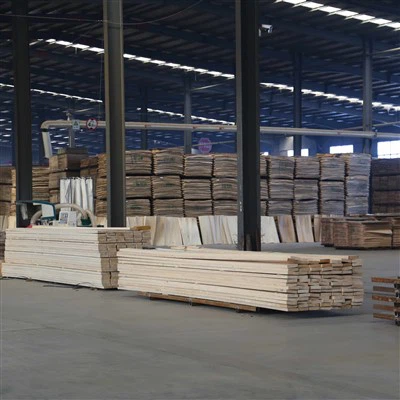
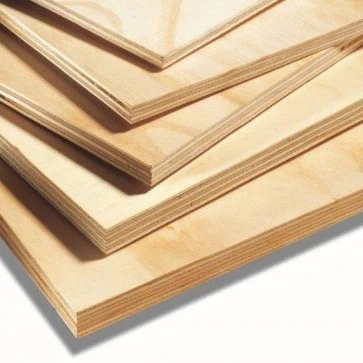
Hey there! As a supplier of Natural Color LVL Lumber Hardwood, I know how crucial it is to store this stuff properly. If you don't, you could end up with some major issues like warping, cracking, or even mold growth. And trust me, you don't want that! So, in this blog post, I'm gonna share some tips on how to store Natural Color LVL Lumber Hardwood the right way.
Understanding Natural Color LVL Lumber Hardwood
First things first, let's talk a bit about what Natural Color LVL Lumber Hardwood is. LVL stands for Laminated Veneer Lumber. It's made by gluing together multiple layers of thin wood veneers, usually with the grain of the veneers running in the same direction. This gives LVL lumber its strength and stability.
The "Natural Color" part means that the wood hasn't been heavily treated with chemicals to change its color. It retains that nice, natural look that a lot of people love. And because it's hardwood, it's durable and can be used in a variety of applications, from furniture making to building projects.
Why Proper Storage Matters
You might be thinking, "Why does it matter how I store this lumber? Can't I just stack it up anywhere?" Well, not really. Natural Color LVL Lumber Hardwood is sensitive to its environment. If it's exposed to too much moisture, it can absorb water and start to warp or develop mold. On the other hand, if it's stored in a very dry place, it can dry out too much and crack.
Proper storage helps maintain the quality of the lumber. It ensures that when you're ready to use it, it's in the best possible condition. This means less waste and better results for your projects.
Choosing the Right Storage Location
The first step in proper storage is finding the right location. Here are some things to consider:
Dry and Well - Ventilated
The storage area should be dry. Avoid places that are prone to flooding or have high humidity levels, like basements without proper ventilation. A well - ventilated area helps to keep the air circulating around the lumber, which reduces the risk of mold and mildew growth. You can use fans or open windows to improve ventilation if needed.
Temperature Control
Try to keep the storage area at a relatively stable temperature. Extreme temperature changes can cause the wood to expand and contract, which can lead to warping and cracking. A temperature - controlled warehouse or shed is ideal, but if that's not possible, at least try to avoid storing the lumber in direct sunlight or near heating or cooling sources.
Protection from the Elements
If you're storing the lumber outdoors, make sure it's protected from rain, snow, and direct sunlight. You can use tarps or covers to shield the lumber. However, make sure the covers are breathable to prevent moisture from getting trapped.
Stacking the Lumber
How you stack the lumber is also important. Here are some stacking tips:
Use Level and Stable Surfaces
When stacking the lumber, make sure the surface is level. Uneven surfaces can cause the lumber to warp over time. You can use pallets or blocks to create a stable base for the stack.
Stack Uniformly
Stack the lumber in a uniform manner, with the layers parallel to each other. This helps to distribute the weight evenly and reduces the risk of the stack collapsing. You can use spacers between the layers to allow for air circulation.
Avoid Over - Stacking
Don't stack the lumber too high. Over - stacking can put too much pressure on the bottom layers, causing them to warp or break. A good rule of thumb is to limit the height of the stack based on the width and thickness of the lumber.
Protecting the Lumber from Pests
Pests can also be a problem for Natural Color LVL Lumber Hardwood. Termites, beetles, and other insects can chew through the wood and cause damage. Here's how you can protect your lumber:
Keep the Area Clean
Remove any debris, leaves, or other organic matter from the storage area. These can attract pests. Regularly sweep the area around the lumber stack.
Use Pest - Repellent Treatments
There are various pest - repellent treatments available. You can apply these to the lumber before storing it. However, make sure to choose treatments that are safe for the environment and won't affect the natural color of the wood.

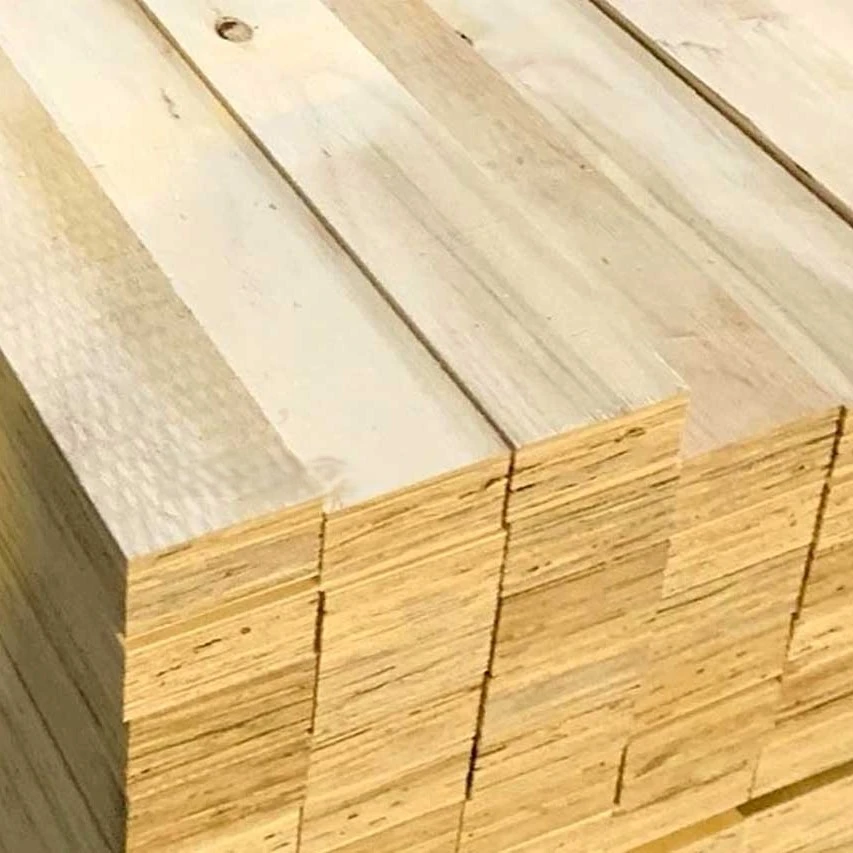
Monitoring the Lumber
Once you've stored the lumber, it's important to monitor it regularly. Check for any signs of warping, cracking, mold, or pest damage. If you notice any issues, take action immediately. For example, if you see mold starting to grow, you can try to improve the ventilation or move the affected lumber to a drier area.
Our Product Range
As a supplier, we offer a wide range of Natural Color LVL Lumber Hardwood products. We have E0 Furniture LVL Timbers Eco Friendly, which are perfect for making high - quality, environmentally friendly furniture. These timbers have excellent strength and a beautiful natural color that will enhance the look of any piece of furniture.
We also have Perfect LVL Timbers Suit for Building Projects. These timbers are designed to meet the demands of construction projects. They're strong, stable, and can withstand the stresses of building.
And if you're in the pallet - making business, our High Strength LVL Timbers for Pallets are a great choice. They offer the strength and durability needed to support heavy loads.
Contact Us for Procurement
If you're interested in purchasing our Natural Color LVL Lumber Hardwood products, we'd love to hear from you. Whether you're a furniture maker, a builder, or in the pallet - making industry, we have the right products for your needs. Just reach out to us, and we can discuss your requirements and provide you with a quote.
References
- "Wood Handbook: Wood as an Engineering Material." Forest Products Laboratory.
- "Laminated Veneer Lumber: Design and Applications." American Forest & Paper Association.