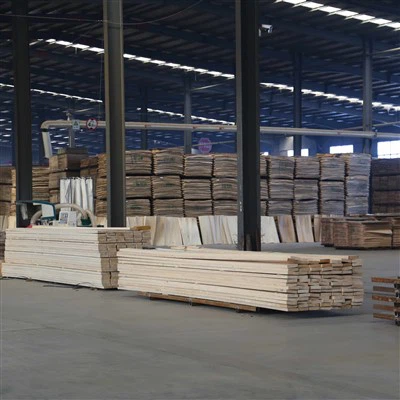
As a supplier of China LVL (Laminated Veneer Lumber) wood, ensuring the quality of our products is not only our responsibility but also the key to satisfying our customers. In this post, I will share some effective ways to test the quality of China LVL wood, which are based on my years of experience in this industry.
Appearance Inspection
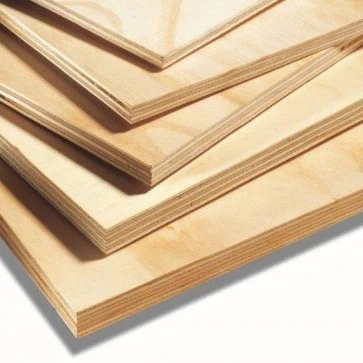
The first step in testing the quality of China LVL wood is a thorough visual inspection. Look at the surface of the LVL wood sheets. A high - quality LVL should have a smooth and even surface. There should be no obvious cracks, knots, or excessive roughness. Any visible cracks can greatly reduce the structural integrity of the wood, making it less reliable for various applications.
Knots in LVL wood can also be a sign of lower quality. While some small knots might be acceptable, large or loose knots can cause weak points in the material. Additionally, check for any signs of discoloration. Unusual discoloration could indicate the presence of mold, fungus, or improper drying during the manufacturing process.
Density Testing
Density is an important factor in determining the quality of LVL wood. Higher - density LVL generally means better strength and durability. To measure the density, you can use a simple method. First, measure the dimensions of a sample of LVL wood accurately, including its length, width, and thickness, and calculate its volume. Then, weigh the sample using a precise scale. Divide the mass by the volume to get the density.
Industry standards for LVL wood density can vary depending on the intended use. For structural applications, a higher density is usually required. If the density of the LVL wood is significantly lower than the standard for its intended use, it may not be able to withstand the required loads. You can find more information about standard density requirements in reference materials related to wood engineering.
Moisture Content Analysis
The moisture content of China LVL wood is crucial for its performance. Too much moisture can lead to problems such as warping, swelling, and fungal growth, while too little moisture can cause the wood to become brittle and prone to cracking.
To measure the moisture content, you can use a moisture meter. This is a simple and effective tool. Insert the probes of the moisture meter into the LVL wood at different points. In general, the moisture content of LVL wood for indoor use should be around 8% - 12%, while for outdoor use, a slightly higher range, around 12% - 18%, may be acceptable.
Controlling the moisture content during the production process is essential for our company. We use advanced drying techniques to ensure that the LVL wood we supply meets the appropriate moisture content standards. You can find more about the importance of moisture - controlled LVL on our page about Stabilized Substrate LVL Wood.
Bonding Strength Testing
Since LVL wood is made by laminating multiple veneers together, the bonding strength between the veneers is a critical quality indicator. A strong bond ensures that the LVL wood can maintain its structural integrity under various loads.
One common method to test the bonding strength is the shear test. In a shear test, a sample of LVL wood is placed in a testing machine, and a shear force is applied parallel to the plane of the veneer layers. The machine measures the maximum force the sample can withstand before the veneers start to separate.
Another way is the delamination test. In this test, a sample of LVL wood is subjected to specific environmental conditions, such as high humidity or temperature changes. Then, the sample is inspected for any signs of delamination, where the veneers start to come apart. A high - quality LVL wood should have a low risk of delamination, which is also related to the use of high - quality adhesives and a proper manufacturing process in the production of our LVL wood.
Strength and Flexural Testing
For many applications, especially structural ones, the strength and flexural properties of LVL wood are of utmost importance. Flexural strength refers to the ability of the wood to resist bending under a load.
To test the flexural strength, a beam - shaped sample of LVL wood is placed on two supports, and a load is applied at the center until the sample breaks. The maximum load the sample can bear before breaking is recorded, and the flexural strength is calculated based on the dimensions of the sample and the applied load.
The strength of LVL wood can also be affected by its orientation. LVL wood has different strength properties in the longitudinal and transverse directions. In most cases, the longitudinal strength is much higher than the transverse strength. Therefore, it is important to use LVL wood in the correct orientation according to the design requirements.
Compliance with Standards
China LVL wood should comply with relevant national and international standards. In addition to Chinese standards, many of our customers also require our products to meet international standards such as Australian standards. You can find detailed information about Australian Standards LVL Timbers Size.
Compliance with standards ensures that the LVL wood has consistent quality and performance. It also gives our customers confidence in using our products in their projects. We conduct regular internal quality control checks to ensure that our LVL wood meets all the necessary standards.


Environmental Considerations
In today's market, environmental friendliness is also an important aspect of product quality. Our China LVL wood is produced with the environment in mind. We use sustainable forestry practices to source the raw materials, and the manufacturing process is designed to minimize waste and energy consumption.
You can learn more about our Environmentally Friendly LVL Wood. We also ensure that our LVL wood meets relevant environmental standards, such as low formaldehyde emission requirements. This is not only beneficial for the environment but also for the health of the end - users.
Conclusion
Testing the quality of China LVL wood involves multiple aspects, from appearance inspection to strength testing and compliance with standards. By using these testing methods, we can ensure that the LVL wood we supply meets the highest quality requirements.
If you are interested in purchasing high - quality China LVL wood for your project, whether it is for construction, furniture making, or other applications, we are here to serve you. We can provide you with detailed product information, samples for testing, and competitive prices. Please feel free to contact us to start the procurement negotiation.
References
- Wood Engineering Handbook. Various editions.
- National and International Standards for Laminated Veneer Lumber.
- Research papers on the properties and testing of LVL wood in academic journals.