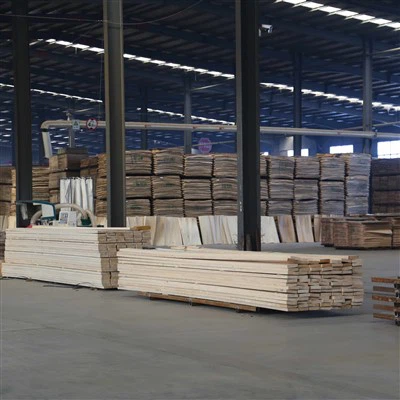
Transporting anti-corrosion LVL (Laminated Veneer Lumber) columns support safely is a crucial aspect of ensuring that these high-quality products reach their destination in pristine condition. As a supplier of Anti-corrosion LVL Columns Support, I understand the significance of proper transportation methods to maintain the integrity and functionality of these columns. In this blog post, I will share some valuable insights and best practices on how to transport anti-corrosion LVL columns support safely.
Understanding Anti-corrosion LVL Columns Support
Before delving into the transportation process, it's essential to have a clear understanding of what anti-corrosion LVL columns support are. These columns are made from multiple layers of thin wood veneers that are bonded together with adhesives under high pressure and temperature. The anti-corrosion treatment enhances their durability and resistance to moisture, decay, and insects, making them ideal for various construction applications, including E0 LVL Columns for Roof Construction.
Pre-transportation Preparation
Inspection and Quality Check
Before loading the anti-corrosion LVL columns support onto the transport vehicle, a thorough inspection is necessary. Check for any signs of damage, such as cracks, splinters, or uneven surfaces. Ensure that the columns meet the required quality standards and specifications. Any damaged columns should be set aside and replaced to avoid potential issues during transportation and installation.


Packaging
Proper packaging is vital to protect the anti-corrosion LVL columns support during transit. Wrap the columns with protective materials, such as plastic sheets or bubble wrap, to prevent scratches and damage from external factors. Use sturdy strapping or bands to secure the columns together and prevent them from shifting during transportation. Additionally, label the packages clearly with relevant information, such as the product name, size, quantity, and handling instructions.
Loading and Securing
When loading the anti-corrosion LVL columns support onto the transport vehicle, it's important to handle them with care. Use appropriate lifting equipment, such as forklifts or cranes, to avoid manual handling and reduce the risk of injury. Place the columns in a stable and secure position on the vehicle, ensuring that they are evenly distributed to prevent imbalance. Use blocking and bracing materials to secure the columns and prevent them from moving or falling during transit.
Choosing the Right Transport Method
Road Transport
Road transport is a common and convenient option for transporting anti-corrosion LVL columns support. When choosing a road transport provider, consider their experience, reputation, and the condition of their vehicles. Ensure that the transport vehicle is equipped with proper suspension and shock absorption systems to minimize vibrations and impacts during transit. Additionally, check the vehicle's loading capacity and ensure that it can accommodate the size and weight of the columns.
Rail Transport
Rail transport can be a cost-effective and efficient option for long-distance transportation of anti-corrosion LVL columns support. Railways offer a stable and reliable mode of transport, with less risk of traffic congestion and delays. However, it's important to ensure that the railcars are properly equipped to handle the columns and that they are secured during transit. Coordinate with the rail transport provider to ensure smooth loading and unloading processes.
Sea Transport
For international or long-distance transportation, sea transport may be a viable option. When choosing a sea transport provider, consider their shipping routes, transit times, and the condition of their vessels. Ensure that the containers or cargo holds are properly ventilated and protected from moisture and corrosion. Use appropriate packaging and securing methods to prevent damage to the columns during sea voyages.
In-transit Considerations
Monitoring and Tracking
During transportation, it's important to monitor and track the movement of the anti-corrosion LVL columns support. Use tracking devices or software to keep track of the vehicle's location, speed, and condition. This allows you to stay informed about the progress of the shipment and take appropriate action in case of any delays or issues.
Weather Conditions
Weather conditions can have a significant impact on the transportation of anti-corrosion LVL columns support. Extreme temperatures, humidity, and precipitation can cause damage to the columns if they are not properly protected. Monitor the weather forecast along the transportation route and take appropriate measures to protect the columns, such as covering them with tarps or using climate-controlled transport vehicles.
Handling at Transfer Points
If the anti-corrosion LVL columns support need to be transferred between different transport modes or vehicles, it's important to ensure proper handling at transfer points. Coordinate with the transport providers to ensure smooth and efficient transfer processes. Use appropriate lifting and handling equipment to avoid damage to the columns during transfer.
Unloading and Storage
Unloading
When unloading the anti-corrosion LVL columns support at the destination, it's important to follow the same safety and handling procedures as during loading. Use appropriate lifting equipment and ensure that the columns are unloaded in a stable and secure position. Inspect the columns again for any signs of damage during transit and report any issues immediately.
Storage
Proper storage is essential to maintain the quality and integrity of the anti-corrosion LVL columns support. Store the columns in a dry, well-ventilated area away from direct sunlight and moisture. Use pallets or racks to elevate the columns and prevent them from coming into contact with the ground. Ensure that the storage area is free from pests and rodents to prevent damage to the columns.
Conclusion
Transporting anti-corrosion LVL columns support safely requires careful planning, proper preparation, and attention to detail. By following the best practices outlined in this blog post, you can ensure that these high-quality products reach their destination in excellent condition. As a supplier of Anti-corrosion LVL Columns Support, I am committed to providing our customers with the best possible products and services. If you are interested in purchasing our Environmentally Friendly LVL Columns or Size LVL Lumber, please feel free to contact us for more information and to discuss your specific requirements. We look forward to working with you.
References
- Forest Products Laboratory. (2010). Wood Handbook: Wood as an Engineering Material. Madison, WI: U.S. Department of Agriculture, Forest Service.
- National Fire Protection Association. (2018). NFPA 5000: Building Construction and Safety Code. Quincy, MA: National Fire Protection Association.
- American Wood Council. (2018). National Design Specification for Wood Construction. Leesburg, VA: American Wood Council.