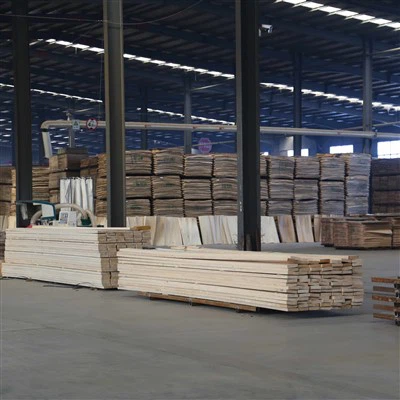
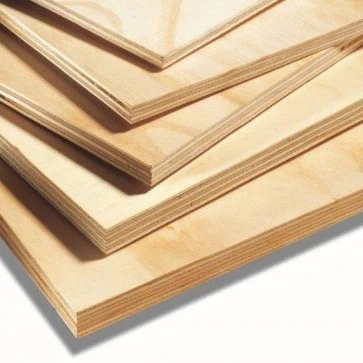
As a supplier of Anti-corrosion LVL Columns Support, I am excited to share with you the diverse application scenarios where these support columns can play a crucial role. Laminated Veneer Lumber (LVL) is an engineered wood product made by bonding multiple layers of thin wood veneers together with adhesives. When enhanced with anti-corrosion properties, LVL columns become even more versatile and durable, suitable for a wide range of environments and construction projects.
Residential Construction
In residential construction, anti-corrosion LVL columns support can be used in various ways. One of the most common applications is in the construction of decks and porches. Decks are often exposed to the elements, including rain, snow, and humidity, which can cause traditional wood columns to rot and deteriorate over time. Anti-corrosion LVL columns, on the other hand, are resistant to moisture and decay, making them an ideal choice for deck support. They can provide strong and stable support for the deck structure, ensuring its safety and longevity.
For example, in a coastal area where the air is salty and humid, regular wood columns would quickly succumb to corrosion. However, anti-corrosion LVL columns can withstand these harsh conditions, maintaining their structural integrity for many years. Homeowners can enjoy their decks without worrying about frequent repairs or replacements.


Another application in residential construction is in the framing of basements. Basements are prone to moisture problems, and traditional wood framing can be at risk of mold growth and decay. Anti-corrosion LVL columns can be used to support the basement ceiling, providing a dry and stable environment. They can also be used in the construction of interior partitions, adding strength and stability to the overall structure.
Commercial Construction
Commercial buildings often require large and sturdy support columns to bear heavy loads. Anti-corrosion LVL columns are well-suited for such applications. In office buildings, they can be used in the atrium or lobby areas to support high ceilings and large open spaces. The anti-corrosion properties ensure that the columns remain in good condition even in areas with high foot traffic and potential exposure to moisture.
In retail stores, anti-corrosion LVL columns can be used to support mezzanine floors or display areas. They can provide a clean and modern look while maintaining the necessary strength and stability. For example, a large department store may use these columns to support a second-floor mezzanine, creating additional shopping space without compromising on safety.
Industrial buildings also benefit from anti-corrosion LVL columns. Warehouses, factories, and distribution centers often have large open areas that require strong support structures. These columns can be used to support the roof and floor systems, withstanding the weight of heavy equipment and stored goods. Their anti-corrosion properties are especially important in industrial environments where there may be exposure to chemicals, moisture, and other corrosive substances.
Agricultural Construction
In the agricultural sector, anti-corrosion LVL columns support can be used in the construction of barns, greenhouses, and other farm structures. Barns need to provide a stable environment for livestock and equipment storage. Anti-corrosion LVL columns can support the roof and walls of the barn, ensuring its durability in the face of changing weather conditions. They are resistant to rot and decay, which is essential in an environment where there may be high levels of moisture from animal waste and cleaning.
Greenhouses require a structure that can support the weight of the covering material and withstand the elements. Anti-corrosion LVL columns can be used to create a strong and stable frame for the greenhouse. They can also be used to support internal shelves and benches, providing a reliable support system for plants and equipment.
Landscape and Outdoor Structures
Anti-corrosion LVL columns are also popular in landscape and outdoor structures. In parks and gardens, they can be used to support pergolas, gazebos, and pavilions. These structures provide shade and shelter for visitors, and the anti-corrosion LVL columns ensure their long-term stability. They can blend in well with the natural surroundings, adding an aesthetic appeal to the landscape.
In waterfront areas, such as marinas and boardwalks, anti-corrosion LVL columns are essential. They can support the decking and other structures, withstanding the constant exposure to water and salt. Their resistance to corrosion makes them a reliable choice for these challenging environments.
Advantages of Our Anti-corrosion LVL Columns Support
Our anti-corrosion LVL columns support offers several advantages. Firstly, they are Moisture-proof And Non-deformable LVL Column. The advanced anti-corrosion treatment ensures that the columns can resist moisture penetration, preventing rot and decay. This makes them suitable for use in both indoor and outdoor environments with high humidity levels.
Secondly, our columns are High Stability Laminated Veneer Lumber Columns. The multiple layers of veneers are bonded together under high pressure, creating a strong and uniform structure. They can withstand heavy loads and provide stable support for various structures.
Finally, our anti-corrosion LVL columns are Environmentally Friendly LVL Columns. We use sustainable wood sources and eco-friendly adhesives in the manufacturing process. This not only reduces the environmental impact but also meets the growing demand for green building materials.
Contact Us for Procurement
If you are interested in our anti-corrosion LVL columns support for your construction project, we invite you to contact us for procurement. Our team of experts can provide you with detailed product information, technical support, and competitive pricing. We are committed to delivering high-quality products and excellent customer service. Whether you are a contractor, architect, or homeowner, we can work with you to meet your specific needs.
References
- Forest Products Laboratory. (2010). Wood Handbook: Wood as an Engineering Material. U.S. Department of Agriculture, Forest Service.
- Smith, J. (2015). Engineered Wood Products: Design and Construction. McGraw-Hill Education.
- International Building Code. (2021). International Code Council.