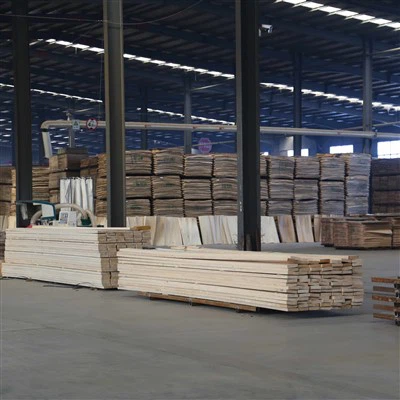
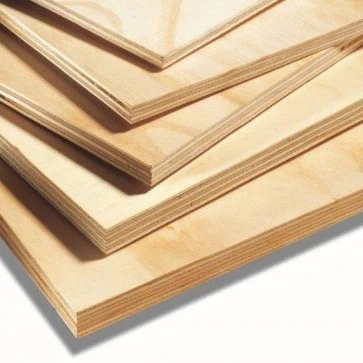
As a supplier of light - weight wood board formwork, I am often asked about the chemical properties of these essential construction materials. Light - weight wood board formwork has gained significant popularity in the construction industry due to its ease of handling, cost - effectiveness, and versatility. In this blog, I will delve into the chemical properties of light - weight wood board formwork and explain how they impact its performance in construction projects.
Composition of Light - Weight Wood Board Formwork
Light - weight wood board formwork is typically made from various types of wood, such as pine, eucalyptus, or a combination of different woods. These woods are processed to create boards with specific properties. The main components of wood are cellulose, hemicellulose, and lignin.
Cellulose is a long - chain polymer of glucose units. It provides the structural strength of the wood. The linear structure of cellulose molecules allows them to form strong hydrogen bonds with each other, creating a rigid framework. In light - weight wood board formwork, cellulose gives the board its basic strength and dimensional stability.
Hemicellulose is a shorter - chain polymer composed of different sugar monomers. It is more branched and less crystalline than cellulose. Hemicellulose acts as a binder between cellulose fibers, contributing to the overall cohesion of the wood structure. It also plays a role in the water - holding capacity of the wood. In the context of light - weight wood board formwork, hemicellulose can affect the board's ability to absorb and release moisture, which is crucial for its performance in different environmental conditions.
Lignin is a complex, three - dimensional polymer that fills the spaces between cellulose and hemicellulose fibers. It provides rigidity and hydrophobicity to the wood. Lignin's cross - linked structure makes the wood resistant to biological degradation and mechanical stress. In light - weight wood board formwork, lignin helps protect the board from rot and decay, especially when exposed to moisture during construction.
Chemical Resistance
One of the important chemical properties of light - weight wood board formwork is its chemical resistance. During construction, the formwork may come into contact with various chemicals, such as concrete admixtures, cleaning agents, and environmental pollutants.
Concrete admixtures are chemicals added to concrete to modify its properties, such as workability, setting time, and strength. Some admixtures may contain salts, acids, or alkalis. Light - weight wood board formwork should be able to withstand the chemical attack from these admixtures. The lignin in the wood provides a certain degree of resistance to alkaline substances in concrete. However, prolonged exposure to highly acidic or alkaline environments can still cause damage to the wood. For example, strong acids can break down the cellulose and hemicellulose in the wood, weakening its structure.
Cleaning agents are used to remove concrete residues and dirt from the formwork after use. These agents can be either acidic or alkaline. A well - made light - weight wood board formwork should be able to resist the chemical action of common cleaning agents. If the formwork is not chemically resistant, the cleaning process may cause the board to warp, delaminate, or lose its surface smoothness.
Environmental pollutants, such as industrial emissions and acid rain, can also affect the formwork. Acid rain contains sulfuric and nitric acids, which can gradually corrode the wood. To enhance the chemical resistance of light - weight wood board formwork, some manufacturers apply protective coatings. These coatings can act as a barrier between the wood and the chemicals, preventing direct contact and reducing the risk of damage.
Moisture Absorption and Dimensional Stability
Moisture absorption is a critical chemical property of light - weight wood board formwork. Wood is a hygroscopic material, which means it can absorb and release moisture from the surrounding environment. When the wood absorbs moisture, it swells, and when it loses moisture, it shrinks.
The moisture content of light - weight wood board formwork can significantly affect its dimensional stability. In construction, dimensional stability is crucial because the formwork needs to maintain its shape and size to ensure accurate concrete casting. If the formwork swells or shrinks too much, it can lead to uneven concrete surfaces, misaligned joints, and even structural problems.
The hemicellulose in the wood has a relatively high affinity for water molecules. When the relative humidity of the environment increases, the hemicellulose absorbs water, causing the wood to expand. On the other hand, when the relative humidity decreases, the wood releases water and contracts. To control moisture absorption and improve dimensional stability, light - weight wood board formwork can be treated with water - repellent chemicals. These chemicals can reduce the wood's ability to absorb moisture, minimizing the swelling and shrinking effects.
Fire Resistance
Fire resistance is another important consideration for light - weight wood board formwork. Wood is a combustible material, and in a construction site, there is always a risk of fire. To enhance the fire resistance of light - weight wood board formwork, fire - retardant chemicals can be added during the manufacturing process.
Fire - retardant chemicals work by either preventing the ignition of the wood or slowing down the combustion process. Some fire - retardants contain phosphorus, nitrogen, or halogen compounds. These chemicals can react with the wood during a fire, forming a protective layer that insulates the wood from the heat and oxygen. This layer can reduce the rate of heat release and prevent the spread of flames.
However, it is important to note that the addition of fire - retardant chemicals may also affect other properties of the light - weight wood board formwork. For example, some fire - retardants can increase the wood's moisture absorption, which may impact its dimensional stability. Therefore, manufacturers need to find a balance between fire resistance and other performance characteristics.
Our Product Range
As a supplier of light - weight wood board formwork, we offer a wide range of products to meet different construction needs. Our 1220*2440 Marine Film Faced Formwork Plywood is designed for marine and high - humidity construction projects. The film - faced surface provides excellent water resistance and durability. Our E0 Eucalyptus Wood Panels Formwork is made from high - quality eucalyptus wood, which offers good strength and dimensional stability. And our Black Shuttering Plywood for Construction is a popular choice for general construction applications, with its smooth surface and reliable performance.
Conclusion
The chemical properties of light - weight wood board formwork, including its composition, chemical resistance, moisture absorption, and fire resistance, play a crucial role in its performance in construction projects. Understanding these properties can help construction professionals make informed decisions when choosing the right formwork for their projects.
If you are interested in our light - weight wood board formwork products or have any questions about their chemical properties and performance, please feel free to contact us for further discussion and procurement negotiation. We are committed to providing high - quality products and excellent service to meet your construction needs.


References
- Rowell, R. M. (Ed.). (2005). Handbook of wood chemistry and wood composites. CRC press.
- Winandy, J. E., & Rowell, R. M. (2005). Wood handbook: Wood as an engineering material. USDA Forest Service.
- Kamdem, D. P., & Jones, J. (2007). Wood - based composites: Materials, processes, and products. CRC press.