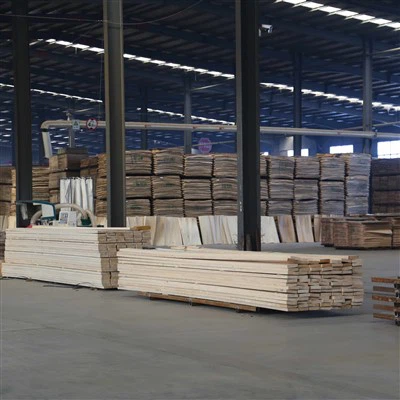
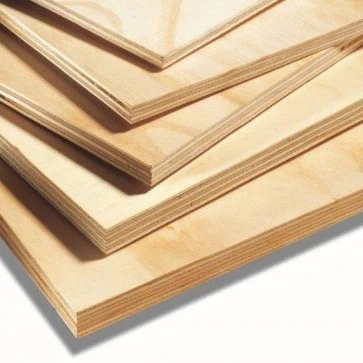
As a supplier of E0 Eucalyptus Wood Panels Formwork, I've had the privilege of engaging with numerous construction projects and professionals. While E0 Eucalyptus Wood Panels Formwork offers many advantages, like high strength - to - weight ratio, cost - effectiveness, and environmental friendliness due to its E0 grade (low formaldehyde emission), it's essential to be aware of its common defects. This knowledge can help in better management during both production and application phases.
1. Moisture - related Defects
One of the most prevalent issues with E0 Eucalyptus Wood Panels Formwork is its susceptibility to moisture. Eucalyptus wood, by nature, has a certain degree of porosity. When exposed to excessive moisture, the panels can experience swelling. This swelling is not only a cosmetic issue but can also have a significant impact on the formwork's structural integrity.
For instance, during rainy seasons or in construction sites with poor drainage, water can seep into the panels. As the wood absorbs water, its fibers expand. This expansion can lead to warping, where the panel no longer lies flat. Warped formwork can cause problems in the concrete pouring process. The uneven surface may result in an irregular finish on the concrete structure, which might require additional finishing work.
Moreover, long - term exposure to moisture can also lead to delamination. The layers of the plywood that make up the formwork panel are bonded together using adhesives. Moisture can weaken these adhesives, causing the layers to separate. Once delamination occurs, the formwork loses its strength and may not be able to withstand the pressure exerted by the wet concrete. To mitigate these moisture - related issues, it's advisable to use Eco Wood Panels Formwork Film - Coated Plywood. The film coating acts as a barrier, reducing the wood's direct contact with water.
2. Surface Abrasion
In construction sites, formwork panels are often subjected to a lot of handling and movement. They are dragged across rough surfaces, and tools may accidentally scratch them. Surface abrasion is a common defect that can affect the quality of the formwork.
When the surface of the E0 Eucalyptus Wood Panels Formwork is abraded, it not only looks unappealing but also exposes the inner layers of the wood. The exposed wood is more vulnerable to moisture, pests, and other environmental factors. For example, if the surface coating is worn off, water can penetrate the wood more easily, increasing the risk of swelling and delamination.
Abrasion can also impact the smoothness of the concrete finish. A rough or abraded formwork surface can transfer its texture to the concrete, resulting in a less - than - perfect finish. To address surface abrasion, choosing high - quality Film Faced Shuttering Plywood for Construction can be a good solution. The film face provides an extra layer of protection, making the formwork more resistant to scratches and abrasions.
3. Knots and Checks
Eucalyptus trees, like all natural wood sources, can have knots and checks. Knots are areas where branches were once attached to the tree trunk. In formwork panels, knots can be a source of weakness. They disrupt the continuity of the wood fibers, reducing the panel's overall strength.
Checks are cracks that occur in the wood, usually due to drying stresses during the manufacturing process. These checks can also compromise the structural integrity of the formwork. When the formwork is subjected to the pressure of wet concrete, the knots and checks can expand, leading to further cracking and potential failure of the panel.
To minimize the impact of knots and checks, strict quality control measures should be implemented during the manufacturing process. Panels with excessive or large knots and checks should be rejected. Additionally, proper storage and handling of the formwork can prevent the exacerbation of these defects.
4. Insect and Fungal Infestation
Eucalyptus wood, although relatively resistant to pests compared to some other woods, is still susceptible to insect and fungal infestation. Insects such as termites can bore into the wood, creating tunnels and weakening the structure. Fungi, on the other hand, can cause decay.
Fungal decay is often associated with moisture. When the formwork is exposed to high humidity or water for an extended period, fungi can start to grow on the wood. The fungi break down the wood fibers, reducing the panel's strength and durability.
To prevent insect and fungal infestation, proper treatment of the E0 Eucalyptus Wood Panels Formwork is necessary. Some formwork panels are treated with preservatives during the manufacturing process. These preservatives act as a deterrent to insects and fungi. Additionally, storing the formwork in a dry and well - ventilated area can also help reduce the risk of infestation. Black Shuttering Plywood for Construction is sometimes treated to enhance its resistance to pests and fungi.
5. Dimensional Inaccuracy
Dimensional accuracy is crucial in formwork. Any deviation from the specified dimensions can cause problems during the construction process. In the production of E0 Eucalyptus Wood Panels Formwork, factors such as improper cutting, drying, and handling can lead to dimensional inaccuracies.
For example, if the panels are not cut to the correct size, they may not fit properly in the formwork system. This can result in gaps between the panels, allowing concrete to leak out during the pouring process. Leaking concrete not only wastes materials but also affects the quality of the concrete structure.
In addition, changes in moisture content can cause the panels to shrink or expand, leading to dimensional changes. To ensure dimensional accuracy, precise manufacturing processes and proper storage conditions are essential. Regular quality checks should be carried out to detect and correct any dimensional issues early on.
Conclusion
While E0 Eucalyptus Wood Panels Formwork offers many benefits, it's important to be aware of its common defects. Moisture - related problems, surface abrasion, knots and checks, insect and fungal infestation, and dimensional inaccuracies are all issues that can arise. However, with proper selection of products such as Eco Wood Panels Formwork Film - Coated Plywood, Black Shuttering Plywood for Construction, and Film Faced Shuttering Plywood for Construction, along with strict quality control during manufacturing and proper handling on construction sites, these defects can be effectively managed.


If you're involved in a construction project and are considering using E0 Eucalyptus Wood Panels Formwork, I encourage you to reach out for a detailed discussion. We can provide you with the best solutions based on your specific requirements. Whether it's choosing the right type of formwork or addressing potential defect issues, we're here to assist you.
References
- "Wood Handbook: Wood as an Engineering Material", Forest Products Laboratory, United States Department of Agriculture.
- "Construction Formwork and Falsework Handbook", Edward G. Nawy.