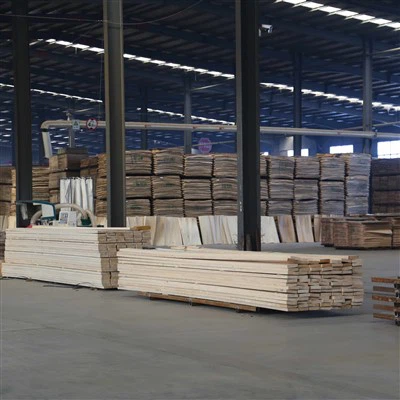
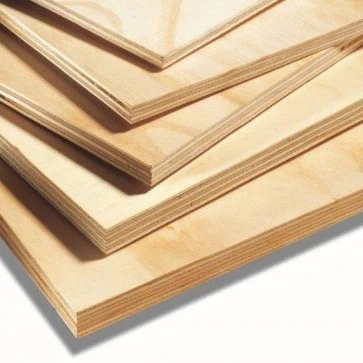
Hey there! I'm a supplier of laminated veneer lumber (LVL) beams. LVL beams are super popular in the construction world. They're made by gluing together thin wood veneers with their grain running in the same direction, which gives them some pretty impressive strength. But like anything, they've got their downsides too. So, let's dive into what those disadvantages are.
1. Cost
One of the first things that might put you off is the cost. LVL beams are generally pricier than traditional lumber. The manufacturing process is more complex. You've got to slice the wood into thin veneers, then carefully glue them together under high pressure. All that takes time, energy, and specialized equipment. And of course, those costs get passed on to you, the customer.


For example, if you're building a small - scale project on a tight budget, using LVL beams might blow your budget right out of the water. You could end up spending a whole lot more on just the beams compared to using regular wooden beams. And let's face it, in construction, every penny counts. If you're looking for a more affordable option, you might want to think twice before going for LVL beams. Check out our High Quality Pine LVL Beam Flooring Joist for a specific product, but keep in mind the cost factor.
2. Environmental Impact
Now, I know you might think that wood is a sustainable material, and you're right. But the production of LVL beams has its environmental drawbacks. The manufacturing process requires a significant amount of energy. You need to power the machinery that slices the veneers, presses them together, and cures the glue. That usually means burning fossil fuels, which contribute to greenhouse gas emissions.
Also, the glue used in LVL beams often contains chemicals. Some of these chemicals can be harmful to the environment. When the beams are disposed of at the end of their life, these chemicals can leach into the soil and water, causing pollution. And if you're someone who's really into building green, this is definitely something to consider. There are more eco - friendly alternatives out there that might be a better fit for your project.
3. Moisture Sensitivity
LVL beams are sensitive to moisture. Even though they're made from wood and have been treated to some extent, they can still absorb water. When they get wet, the wood can swell, and the glue bonds can weaken. This can lead to a whole host of problems.
For instance, if you're using LVL beams in an area with high humidity or where they might get exposed to rain, you've got to take extra precautions. You might need to apply special waterproof coatings, which adds to the cost and the complexity of the project. And if you don't take these precautions, the beams can start to warp, crack, or even rot over time. This not only affects the structural integrity of the building but also means you'll have to replace the beams, which is a hassle and an added expense. Our Laminated Veneer Main Beam is no exception to this moisture sensitivity.
4. Limited Availability
Depending on where you are, LVL beams might not be readily available. They're not as common as regular lumber, so you might have a hard time finding a supplier in your area. This can be a real pain, especially if you're on a tight construction schedule. You could end up waiting weeks for the beams to be delivered, which can delay your project.
And even if you do find a supplier, they might not have the exact size or specification you need. LVL beams are often made to order, which means you've got to wait for them to be manufactured. This lack of availability can really throw a wrench in your construction plans.
5. Installation Challenges
Installing LVL beams can be a bit tricky. They're heavier than regular lumber, which means you need more equipment and manpower to lift and position them. You might need to use cranes or other heavy - duty lifting gear, which adds to the cost of the project.
Also, because LVL beams are engineered products, they need to be installed exactly according to the manufacturer's instructions. If they're not installed correctly, it can compromise their strength and performance. For example, if the beams are not properly supported or if the connections are not made right, they can fail under load. This requires skilled labor, and finding experienced workers who know how to install LVL beams can be difficult and expensive.
6. Aesthetic Limitations
Let's talk about looks. LVL beams don't have the same natural beauty as solid wood beams. They have a more industrial, uniform appearance. If you're going for a rustic or natural look in your building, LVL beams might not be the best choice.
Solid wood beams have unique grain patterns, knots, and colors that give them character. In contrast, LVL beams look more like large, smooth boards. If the aesthetics of your project are important to you, you might be disappointed with the way LVL beams look. Our Pine LVL Laminated Veneer Lumber Beam has this same aesthetic limitation.
Should You Still Consider LVL Beams?
Despite all these disadvantages, LVL beams still have their place in construction. They offer high strength, dimensional stability, and can be made in long lengths. If you're building a large - scale commercial project where strength and stability are crucial, LVL beams might be the way to go.
If you're interested in learning more about our LVL beams or want to discuss whether they're right for your project, don't hesitate to reach out. We're here to help you make the best decision for your construction needs. Whether it's about understanding the costs, installation, or any other aspect, we can have a proper chat and see how we can work together.
References
- "Wood Construction Manual", American Forest & Paper Association
- "Building Materials and Technology in Architecture", John Ochsendorf