When it comes to enhancing the aesthetics and functionality of indoor spaces, using indoor structural plywood on the ceiling can be an excellent choice. As a trusted indoor structural plywood supplier, I've witnessed firsthand the transformative power of this material. However, to ensure a successful installation, there are several crucial requirements that need to be met. In this blog post, I'll delve into the key installation requirements for using indoor structural plywood on a ceiling.
1. Structural Integrity of the Ceiling Frame
Before installing indoor structural plywood on the ceiling, it's essential to assess the structural integrity of the ceiling frame. The frame serves as the foundation for the plywood, and any weaknesses or instability can lead to issues such as sagging or cracking over time. Here are some key considerations:
- Inspect the Joists: The joists should be in good condition, free from any signs of damage or decay. They should also be properly spaced to provide adequate support for the plywood. Typically, joists should be spaced no more than 16 inches on center for standard plywood applications.
- Check for Levelness: The ceiling frame should be level to ensure a smooth and even installation of the plywood. Use a level to check the joists and make any necessary adjustments before proceeding.
- Reinforce if Necessary: If the ceiling frame is weak or has inadequate support, it may be necessary to reinforce it with additional joists or bracing. This will help distribute the weight of the plywood evenly and prevent any structural issues.
2. Plywood Selection
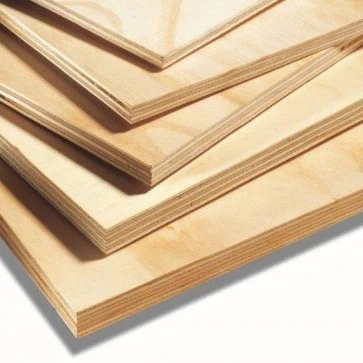
Choosing the right type of indoor structural plywood is crucial for a successful ceiling installation. Here are some factors to consider when selecting plywood:
- Grade: Plywood is available in different grades, each with its own level of quality and performance. For ceiling applications, it's recommended to use a high-quality grade such as A/C or B/C. These grades have fewer defects and provide better strength and durability.
- Thickness: The thickness of the plywood will depend on the span of the joists and the intended use of the ceiling. For most residential applications, a thickness of 1/2 inch to 5/8 inch is sufficient. However, for larger spans or heavier loads, a thicker plywood may be required.
- Moisture Resistance: Since the ceiling is exposed to various environmental conditions, it's important to choose a plywood that is moisture-resistant. Look for plywood that is labeled as "exterior" or "marine-grade," as these types of plywood are treated to resist moisture and prevent warping or delamination. You can explore our Moisture-resistant Structural Plywood for Wall for more options.
- Formaldehyde Emissions: If you're concerned about indoor air quality, choose a plywood that has low formaldehyde emissions. Look for plywood that is certified as E0 or E1, as these types of plywood have minimal formaldehyde content. Our E0 Structural Plywood for Furniture is a great option for those who prioritize environmental health.
3. Surface Preparation
Proper surface preparation is essential to ensure a strong and secure bond between the plywood and the ceiling frame. Here are the steps to follow:
- Clean the Surface: Remove any dirt, dust, or debris from the ceiling frame using a broom or vacuum cleaner. This will help the adhesive or fasteners adhere better to the surface.
- Sand the Surface: If the surface of the ceiling frame is rough or uneven, sand it lightly to create a smooth and even surface. This will help the plywood lay flat and prevent any gaps or unevenness.
- Apply a Primer: Applying a primer to the ceiling frame can help improve the adhesion of the plywood and protect the surface from moisture and other environmental factors. Choose a primer that is compatible with the type of plywood and adhesive you're using.
4. Installation Techniques
Once the surface is prepared, it's time to install the indoor structural plywood on the ceiling. Here are some installation techniques to follow:
- Start at the Center: Begin by installing the first piece of plywood at the center of the ceiling and work your way outwards. This will help ensure that the plywood is centered and aligned properly.
- Use the Right Fasteners: Depending on the type of plywood and ceiling frame, you may need to use different types of fasteners such as nails, screws, or adhesive. Make sure to use the appropriate fasteners and follow the manufacturer's recommendations for spacing and installation.
- Stagger the Seams: To prevent the seams from lining up and creating a weak point in the ceiling, stagger the seams of the plywood sheets. This will help distribute the weight evenly and improve the overall strength of the ceiling.
- Leave Expansion Gaps: Plywood expands and contracts with changes in temperature and humidity, so it's important to leave a small expansion gap between the plywood sheets and the walls or other structures. This will prevent the plywood from warping or buckling over time.
5. Finishing and Maintenance
After the plywood is installed, it's important to finish and maintain it properly to ensure its longevity and appearance. Here are some tips:
- Sand the Surface: Once the plywood is installed, sand the surface lightly to smooth out any rough edges or seams. This will help create a smooth and even finish.
- Apply a Finish: Applying a finish to the plywood can help protect it from moisture, stains, and other environmental factors. Choose a finish that is compatible with the type of plywood and the intended use of the ceiling.
- Clean Regularly: To keep the ceiling looking its best, clean it regularly with a mild detergent and water. Avoid using abrasive cleaners or tools that can damage the surface of the plywood.
Conclusion
Installing indoor structural plywood on a ceiling can be a rewarding project that enhances the beauty and functionality of your indoor space. By following these installation requirements and techniques, you can ensure a successful installation that will last for years to come. As a leading indoor structural plywood supplier, we offer a wide range of high-quality plywood products to meet your specific needs. Whether you're looking for Moisture-resistant Structural Plywood for Wall, E0 Structural Plywood for Furniture, or Original Factory Structural Plywood Size, we have you covered.
If you're interested in learning more about our indoor structural plywood products or have any questions about installation, please don't hesitate to contact us. We're here to help you make the right choice for your project and ensure a smooth and successful installation.


References
- "Plywood Installation Guide," National Plywood Association.
- "Ceiling Installation Best Practices," Building Construction Magazine.
- "Indoor Air Quality and Plywood," Environmental Protection Agency.