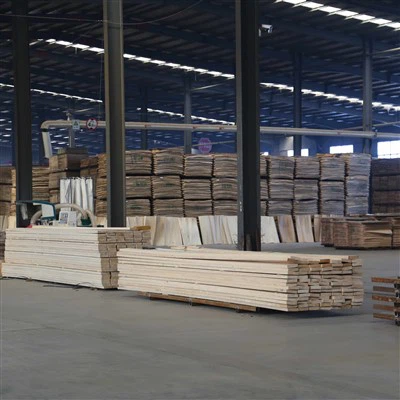
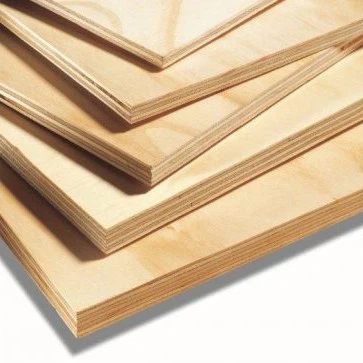
As a supplier from an LVL (Laminated Veneer Lumber) wood factory, understanding effective market positioning strategies is crucial for success in the competitive wood products industry. In this blog, I will explore various approaches that can help our LVL wood factory stand out in the market and attract the right customers.
Understanding the Market
Before formulating any market positioning strategy, it is essential to have a deep understanding of the market. The LVL wood market is diverse, serving different sectors such as construction, furniture manufacturing, and packaging. Each sector has its own specific requirements, preferences, and price sensitivities.
Market Segmentation
One of the first steps in market positioning is to segment the market. This involves dividing the market into distinct groups of customers based on factors such as demographics, psychographics, behavior, and needs. For example, in the construction sector, we can segment customers into residential builders, commercial builders, and infrastructure contractors. Each group may have different requirements in terms of LVL wood dimensions, strength ratings, and fire resistance.
Competitor Analysis
Another important aspect of market understanding is competitor analysis. We need to identify our direct and indirect competitors, their strengths and weaknesses, and their market positioning. This will help us to differentiate our products and services and find a unique position in the market. For instance, some of our competitors may focus on low - cost LVL wood, while others may target high - end customers with premium quality products.
Differentiation Strategies
Product Differentiation
Product differentiation is a key strategy for an LVL wood factory. We can differentiate our products in several ways:
- Quality: We can ensure that our LVL wood is of the highest quality. This can be achieved through strict quality control measures during the manufacturing process, using high - grade raw materials, and advanced manufacturing technologies. For example, our The All - Round Structural King LVL Timber is known for its excellent strength and stability, making it suitable for a wide range of structural applications.
- Customization: Offering customized LVL wood products can also set us apart from the competition. We can work closely with customers to understand their specific needs and produce LVL wood in custom sizes, shapes, and grades. For example, some furniture manufacturers may require LVL wood with unique surface finishes or specific moisture content levels.
- Innovation: Investing in research and development to introduce new and improved LVL wood products can give us a competitive edge. For example, we can develop LVL wood with enhanced fire resistance or environmental sustainability features. Our Stabilized Substrate LVL Wood is an innovative product that provides a stable base for various applications.
Service Differentiation
In addition to product differentiation, service differentiation can also play a significant role in market positioning. We can offer the following services to differentiate ourselves:
- Fast Delivery: Ensuring timely delivery of our LVL wood products is crucial, especially for construction projects with tight deadlines. We can optimize our supply chain management to reduce lead times and offer expedited shipping options. Our LVL Engineered Timber Available For Immediate Shipment is designed to meet the urgent needs of our customers.
- Technical Support: Providing comprehensive technical support to our customers can help them make the right decisions about our LVL wood products. Our team of experts can offer advice on product selection, installation, and maintenance.
- After - sales Service: Offering excellent after - sales service can enhance customer satisfaction and loyalty. We can provide warranties, handle customer complaints promptly, and offer replacement or repair services if needed.
Pricing Strategies
Cost - based Pricing
Cost - based pricing is a straightforward approach where we calculate the total cost of producing the LVL wood (including raw materials, labor, overheads, and profit margin) and set the price accordingly. This strategy ensures that we cover our costs and make a reasonable profit. However, it may not always be the most competitive pricing strategy, especially in a price - sensitive market.
Value - based Pricing
Value - based pricing, on the other hand, focuses on the perceived value of our LVL wood products to the customers. We need to understand how much customers are willing to pay for the benefits and features of our products. For example, if our LVL wood offers superior strength and durability, we can set a higher price compared to low - quality alternatives.
Competitive Pricing
Competitive pricing involves setting our prices based on the prices of our competitors. We need to monitor the market prices regularly and adjust our prices accordingly to remain competitive. However, we should also be careful not to engage in a price war, which can erode our profit margins.
Branding and Promotion
Brand Building
Building a strong brand is essential for long - term success in the market. Our brand should convey the quality, reliability, and innovation of our LVL wood products. We can build our brand through consistent messaging, logo design, and packaging. For example, our brand can be associated with sustainability, which is becoming an increasingly important factor for many customers.
Promotion Strategies
We can use various promotion strategies to increase the awareness of our LVL wood products and attract customers:
- Trade Shows and Exhibitions: Participating in trade shows and exhibitions related to the construction and wood products industry can give us the opportunity to showcase our products, network with potential customers, and generate leads.
- Online Marketing: In today's digital age, online marketing is crucial. We can use social media platforms, search engine optimization (SEO), and email marketing to reach a wider audience. Creating engaging content such as blog posts, videos, and case studies can also help to establish our brand as an industry authority.
- Partnerships and Alliances: Forming partnerships and alliances with other companies in the industry, such as contractors, architects, and distributors, can help us to expand our market reach and increase sales.
Target Market Selection
Based on our market analysis, differentiation strategies, pricing strategies, and branding efforts, we need to select our target market. Our target market should be a group of customers who are most likely to value our LVL wood products and services. For example, if our focus is on high - quality, customized products, our target market may be high - end residential builders and luxury furniture manufacturers.
Once we have selected our target market, we can tailor our marketing and sales efforts to meet their specific needs and preferences. This will help us to build strong relationships with our customers and increase customer loyalty.
Conclusion
In conclusion, market positioning is a complex and ongoing process for an LVL wood factory. By understanding the market, differentiating our products and services, implementing appropriate pricing strategies, building a strong brand, and selecting the right target market, we can position our factory for success in the competitive LVL wood market.
If you are interested in our LVL wood products and would like to discuss your procurement needs, please feel free to reach out. We are committed to providing high - quality products and excellent service to our customers.


References
- Kotler, P., & Armstrong, G. (2019). Principles of Marketing. Pearson.
- Porter, M. E. (1980). Competitive Strategy: Techniques for Analyzing Industries and Competitors. Free Press.