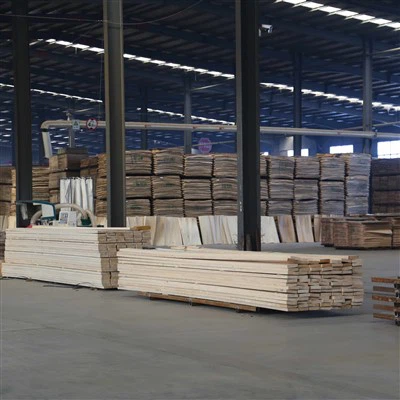
Hey there! As a supplier of Anti - corrosion LVL Columns Support, I've been getting a lot of questions lately about what the standards for these columns are. So, I thought I'd write this blog to share some insights and clear up any confusion.
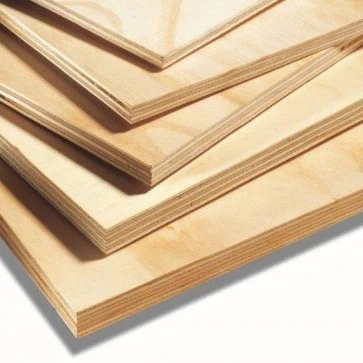
First off, let's talk about what LVL stands for. LVL is short for Laminated Veneer Lumber. It's made by bonding thin wood veneers together with adhesives under heat and pressure. This process creates a strong, stable, and uniform material that's great for structural applications like column supports.
1. Strength and Load - Bearing Capacity
One of the most important standards for anti - corrosion LVL columns support is their strength and load - bearing capacity. These columns need to be able to handle the weight of the structure they're supporting, whether it's a residential building, a commercial complex, or an industrial facility.
The load - bearing capacity of LVL columns is determined by several factors. The thickness of the veneers, the type of adhesive used, and the overall dimensions of the column all play a role. For example, a thicker column with high - quality veneers and a strong adhesive will generally have a higher load - bearing capacity.
We offer High Support Strength LVL Columns that are designed to meet the most demanding structural requirements. Our engineers use advanced testing methods to ensure that each column can handle the specified loads safely and efficiently.
2. Anti - Corrosion Properties
Since these columns are often used in outdoor or high - moisture environments, anti - corrosion is a crucial standard. Corrosion can weaken the structure of the column over time, leading to potential safety hazards.
There are several ways to make LVL columns corrosion - resistant. One common method is to use a special anti - corrosion treatment during the manufacturing process. This treatment can penetrate the wood fibers and form a protective barrier against moisture, fungi, and insects.
Another approach is to choose the right type of wood for the LVL. Some woods, like pine and poplar, are naturally more resistant to decay and corrosion. We offer Pine Poplar LVL Lumber for Roof Construction that has excellent anti - corrosion properties, making it a great choice for column supports in various applications.
3. Dimensional Stability
Dimensional stability is also an important standard for anti - corrosion LVL columns support. These columns need to maintain their shape and size over time, even when exposed to changes in temperature and humidity.
The manufacturing process of LVL helps to improve its dimensional stability. By laminating the veneers together, the natural movement of the wood is minimized. However, it's still important to follow proper installation and maintenance procedures to ensure long - term stability.
We provide columns in a variety of sizes to meet different project requirements. You can check out our Size LVL Lumber page to see the available options.
4. Quality of Adhesives
The quality of the adhesives used in LVL columns is a key factor in determining their performance. A good adhesive should provide strong bonding between the veneers, resist moisture and chemicals, and have good durability.
We use high - quality adhesives that are specifically designed for LVL manufacturing. These adhesives undergo rigorous testing to ensure they meet industry standards for strength and durability. This helps to ensure that our anti - corrosion LVL columns support are reliable and long - lasting.
5. Compliance with Building Codes
Anti - corrosion LVL columns support must comply with local and national building codes. These codes are in place to ensure the safety and structural integrity of buildings.
Our products are designed and manufactured to meet or exceed the relevant building codes. We stay up - to - date with the latest code requirements and make sure our columns are tested and certified accordingly. This gives our customers peace of mind knowing that they're using a product that meets all the necessary safety standards.
6. Fire Resistance
In some applications, fire resistance is an important consideration. While LVL is a wood product and is combustible, there are ways to improve its fire - resistant properties.
Some manufacturers use fire - retardant treatments on the LVL columns. These treatments can slow down the spread of fire and give occupants more time to evacuate in case of a fire emergency. We can provide information on fire - resistant options if you have specific requirements for your project.
Why Choose Our Anti - corrosion LVL Columns Support?
We take pride in offering high - quality anti - corrosion LVL columns support. Our products are made with the best materials and manufacturing processes to ensure they meet all the standards we've discussed above.
We have a team of experienced professionals who can help you choose the right columns for your project. Whether you're a contractor, an architect, or a DIY enthusiast, we're here to provide you with the support and guidance you need.


If you're interested in our anti - corrosion LVL columns support, we'd love to hear from you. We can provide you with detailed product information, pricing, and samples. Just reach out to us, and we'll start the conversation about how we can meet your needs.
In conclusion, when it comes to anti - corrosion LVL columns support, there are several important standards to consider. From strength and load - bearing capacity to anti - corrosion properties and compliance with building codes, each aspect plays a crucial role in ensuring the safety and performance of the columns. We're committed to providing you with the best products that meet these standards, so don't hesitate to contact us for your next project.
References
- Wood Products Council. (2023). Laminated Veneer Lumber: Properties and Applications.
- Building Codes Institute. (2023). National Building Code Requirements for Structural Wood Products.