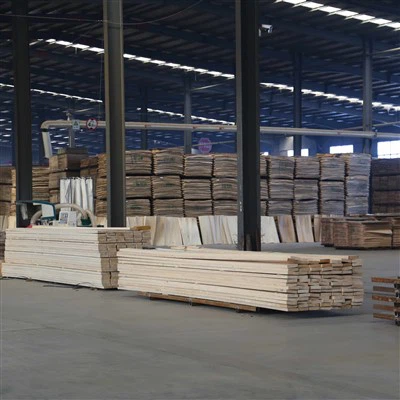
Hey there! If you're in the market for anti - corrosion LVL columns support, you've come to the right place. I'm a supplier of these amazing products, and today I want to dive deep into the topic of anti - corrosion coating thickness for anti - corrosion LVL columns support.
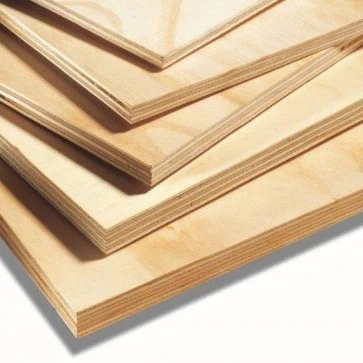
First off, let's talk about what LVL is. Laminated Veneer Lumber (LVL) is an engineered wood product made by bonding multiple thin layers of wood veneers together with adhesives. It's strong, stable, and has a lot of advantages over traditional lumber. When we add anti - corrosion properties to it, it becomes even more durable and suitable for various applications, especially in environments where moisture, chemicals, or other corrosive elements are present.
So, why is the anti - corrosion coating thickness so important? Well, the coating acts as a protective barrier between the LVL column and the outside environment. A proper coating thickness can prevent moisture, oxygen, and other corrosive agents from reaching the wood, which in turn can extend the lifespan of the column. If the coating is too thin, it may not provide adequate protection, and the column could start to deteriorate over time. On the other hand, if the coating is too thick, it could lead to issues like cracking, peeling, or an uneven finish.
Now, determining the right anti - corrosion coating thickness isn't a one - size - fits - all situation. There are several factors that come into play.
Environmental Factors
The environment where the LVL column will be used is a major factor. For example, if the column is going to be installed in a coastal area where there's a high salt content in the air, it will need a thicker coating compared to a column used in a dry, indoor environment. Salt is highly corrosive, and it can quickly break down the coating and damage the wood if not properly protected. Similarly, if the column is exposed to chemicals, such as in a factory or a laboratory, a thicker and more chemical - resistant coating will be required.
Exposure Time
How long the column will be exposed to the corrosive environment also matters. If it's a short - term project, a thinner coating might be sufficient. But for long - term installations, like in a building that's expected to last for decades, a thicker and more durable coating is necessary.


Type of Coating
There are different types of anti - corrosion coatings available, such as epoxy, polyurethane, and acrylic. Each type has its own properties and recommended thicknesses. Epoxy coatings, for instance, are known for their excellent adhesion and chemical resistance. They usually require a certain minimum thickness to work effectively. Polyurethane coatings are more flexible and can withstand some movement without cracking. The thickness of these coatings will depend on the specific product and the manufacturer's recommendations.
Industry Standards
There are industry standards and guidelines that can help us determine the appropriate coating thickness. These standards are based on years of research and testing to ensure the safety and durability of the products. It's important to follow these standards to avoid any potential issues down the line.
So, how do we measure the anti - corrosion coating thickness? There are a few methods available. One common method is using a coating thickness gauge. This is a handy tool that can accurately measure the thickness of the coating on the surface of the LVL column. There are different types of gauges, such as magnetic gauges for ferrous substrates and eddy - current gauges for non - ferrous substrates.
Another method is destructive testing. This involves taking a small sample of the coated column and measuring the coating thickness under a microscope. While this method provides very accurate results, it's also destructive, which means the column sample can't be used again.
As a supplier of anti - corrosion LVL columns support, I understand the importance of getting the coating thickness right. That's why we have a team of experts who carefully select the appropriate coating and ensure that it's applied at the correct thickness. We use high - quality coatings from reputable manufacturers and follow strict quality control procedures to make sure that every column we supply meets the highest standards.
Now, let me tell you a bit more about our products. We offer a wide range of anti - corrosion LVL columns support for different applications. Whether you're working on a E0 LVL Columns for Roof Construction, need Good Quality LVL Columns for Structural Columns, or are looking for Economical And Practical LVL Engineered Timber, we've got you covered.
Our columns are not only corrosion - resistant but also have excellent structural properties. They can support heavy loads and are designed to last for a long time. We also offer customization options, so you can get the columns in the size, shape, and coating thickness that you need for your specific project.
If you're interested in our anti - corrosion LVL columns support, I encourage you to get in touch with us. We're always happy to discuss your project requirements, answer any questions you may have, and provide you with a quote. Whether you're a contractor, an architect, or a DIY enthusiast, we can help you find the perfect solution for your needs.
In conclusion, the anti - corrosion coating thickness of anti - corrosion LVL columns support is a crucial factor that can significantly impact the performance and lifespan of the columns. By considering the environmental factors, exposure time, type of coating, and industry standards, we can determine the appropriate coating thickness. As a reliable supplier, we're committed to providing high - quality products with the right coating thickness to ensure your projects are successful. So, don't hesitate to reach out and start a conversation about your next project.
References
- ASTM International. (Year). Standard test methods for non - destructive measurement of dry film thickness of non - magnetic coatings applied to ferrous metals and non - conductive coatings applied to non - ferrous metals.
- Wood Products Manufacturers Association. (Year). Guidelines for anti - corrosion coatings on engineered wood products.