Hey there! As a supplier of laminated veneer lumber (LVL) columns, I often get asked about their chemical resistance. It's a crucial factor, especially when these columns are used in various environments where they might come into contact with different chemicals. So, let's dive right in and explore what the chemical resistance of LVL columns is all about.
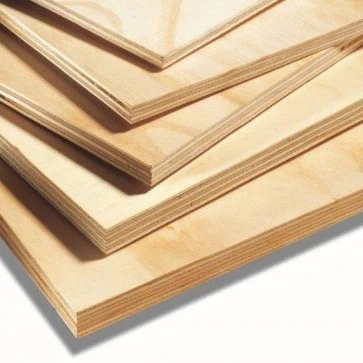
First off, let's understand what LVL columns are. LVL is made by bonding multiple thin layers of wood veneers together with adhesives. The result is a strong, stable, and dimensionally consistent product that's widely used in construction for things like beams, columns, and headers. But when it comes to chemicals, how do these columns hold up?
The chemical resistance of LVL columns depends on a few key factors. One of the main ones is the type of adhesive used in the lamination process. Different adhesives have different levels of resistance to various chemicals. For example, some adhesives are more resistant to water - based chemicals, while others can better withstand oil - based ones.
Water - based chemicals are quite common in many construction and industrial settings. Things like mild detergents, some types of paints, and even rainwater can be considered water - based chemicals. LVL columns with high - quality adhesives generally have a good level of resistance to these. The reason is that the adhesive forms a strong bond between the veneers, preventing the water - based chemicals from easily penetrating and weakening the structure. However, prolonged exposure to highly alkaline or acidic water - based solutions can still cause problems. For instance, if an LVL column is constantly in contact with a very acidic cleaning solution, over time, it might start to break down the adhesive and cause delamination of the veneers.


Oil - based chemicals present a different challenge. Substances like petroleum - based solvents, some types of lubricants, and certain industrial oils can be more aggressive towards LVL columns. The oil can seep into the wood and the adhesive, softening the adhesive and potentially causing the veneers to separate. But again, the quality of the adhesive matters a lot. Some modern adhesives are formulated to have better resistance to oil - based chemicals, which helps the LVL columns maintain their integrity even in environments where they might encounter these substances.
Another factor that affects chemical resistance is the treatment of the LVL columns. Some suppliers, like us, offer treated LVL columns. These treatments can enhance the columns' resistance to a wide range of chemicals. For example, a chemical treatment might create a protective barrier on the surface of the column, preventing chemicals from reaching the adhesive and the wood veneers. This can significantly extend the lifespan of the LVL column in chemically - challenging environments.
Now, let's talk about the practical applications and how chemical resistance plays a role. In residential construction, LVL columns are often used in basements, attics, and as load - bearing elements in walls. In these settings, the main chemical exposure is usually from common household cleaners and moisture. As long as the columns are properly installed and protected, they can handle these mild chemical exposures without much issue.
In commercial and industrial construction, the situation is a bit more complex. For example, in a manufacturing facility where there are chemicals used in the production process, the LVL columns need to have a higher level of chemical resistance. If the facility deals with food production, the columns might be exposed to food - grade chemicals and cleaning agents. In a chemical processing plant, on the other hand, the exposure could be to much more hazardous and aggressive chemicals. In such cases, it's crucial to choose LVL columns with the right level of chemical resistance.
When it comes to our LVL columns, we take chemical resistance seriously. We use high - quality adhesives that are tested for their performance against a variety of chemicals. Our Size LVL Lumber comes in different sizes and is designed to meet different construction needs. Whether you need a small column for a residential project or a large one for a commercial building, we've got you covered.
Our Moisture - proof And Non - deformable LVL Column is especially great for areas where there might be high moisture levels, which can sometimes be associated with chemical reactions. The moisture - proof feature also helps in preventing the growth of mold and mildew, which can be a secondary issue related to chemical exposure.
And if you have specific requirements, our LVL Timber With Flexible Customization Production is the way to go. We can customize the LVL columns to have enhanced chemical resistance based on the chemicals they'll be exposed to in your project.
So, if you're in the market for LVL columns and are concerned about chemical resistance, don't hesitate to reach out. We're here to help you choose the right product for your specific needs. Whether it's a small - scale residential project or a large - scale industrial construction, we have the expertise and the products to ensure your LVL columns perform well in chemically - challenging environments. Contact us for a detailed discussion about your requirements and let's start a great partnership for your construction project.
References:
- "Wood Adhesives: Chemistry and Technology" by R. M. Rowell and R. A. Youngquist
- "Construction Materials: Their Nature and Behaviour" by J. A. M. Brewis and R. D. Briggs