Hey there! I'm a supplier of High Support Strength LVL Columns, and today I wanna dive into a super important topic: What is the impact of different pressing pressures on the support strength of High Support Strength LVL Columns?


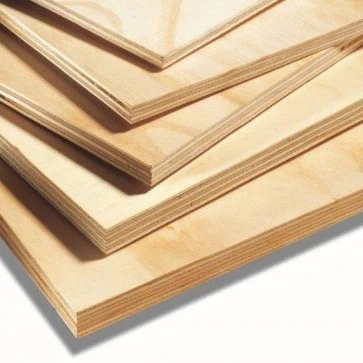
First off, let me give you a quick intro to LVL columns. Laminated Veneer Lumber (LVL) columns are made by bonding multiple layers of thin wood veneers together with adhesives. They're known for their high strength, dimensional stability, and versatility, making them a popular choice in construction projects. As a supplier, I've seen firsthand how these columns can make a huge difference in building structures.
Now, let's talk about pressing pressure. When manufacturing LVL columns, pressing pressure plays a crucial role in determining the final properties of the product. Different pressing pressures can lead to significant variations in the support strength of the columns.
Low Pressing Pressure
When the pressing pressure is relatively low, the veneers may not be bonded together as tightly. This can result in a weaker bond between the layers, which in turn reduces the overall support strength of the LVL column. Imagine building a tower with blocks that aren't stacked firmly on top of each other. It's more likely to wobble and collapse under pressure, right? The same principle applies to LVL columns.
Columns made with low pressing pressure may have lower density, which means there's less material in a given volume. This can make them more susceptible to deformation and failure under load. In addition, the weaker bond between the veneers may allow moisture to penetrate more easily, leading to potential issues such as swelling, warping, and decay.
Medium Pressing Pressure
Medium pressing pressure is often considered the sweet spot for manufacturing LVL columns. At this pressure, the veneers are bonded together tightly enough to create a strong and durable structure. The columns have a good balance of density and strength, which makes them suitable for a wide range of applications.
Columns made with medium pressing pressure can withstand moderate loads without significant deformation. They also have better resistance to moisture and other environmental factors compared to those made with low pressing pressure. This makes them a popular choice for general construction projects where a reliable and cost - effective support solution is needed.
High Pressing Pressure
When the pressing pressure is high, the veneers are compressed tightly together, resulting in a very dense and strong LVL column. These columns have excellent support strength and can handle heavy loads with ease. They're often used in high - rise buildings, large - scale industrial structures, and other applications where maximum strength is required.
However, there are also some drawbacks to using high pressing pressure. First of all, it can increase the manufacturing cost, as more energy is required to apply the higher pressure. In addition, the high density of the columns may make them heavier, which can pose challenges during transportation and installation.
Real - World Impact
In the real world, the choice of pressing pressure can have a significant impact on the performance and cost of construction projects. For example, in a residential building, using LVL columns made with medium pressing pressure may be sufficient to support the roof and floors. This can save costs without sacrificing too much in terms of strength.
On the other hand, in a commercial building with a large open floor plan, high - strength LVL columns made with high pressing pressure may be necessary to support the heavy loads. While these columns may be more expensive, they can provide the reliability and safety needed for the structure.
As a supplier, I understand the importance of choosing the right pressing pressure for different applications. That's why we offer a variety of LVL columns to meet the diverse needs of our customers. Whether you need a Moisture - proof And Non - deformable LVL Column for a humid environment, an Anti - corrosion LVL Columns Support for a corrosive setting, or an E0 LVL Columns for Roof Construction for a green building project, we've got you covered.
Conclusion
In conclusion, different pressing pressures have a profound impact on the support strength of High Support Strength LVL Columns. Low pressing pressure can result in weaker columns with lower density and less resistance to moisture. Medium pressing pressure offers a good balance of strength and cost, making it suitable for most general construction projects. High pressing pressure creates very strong and dense columns, but they can be more expensive and heavier.
As a supplier, I'm committed to providing high - quality LVL columns that meet the specific needs of each customer. We use advanced manufacturing techniques to ensure that our columns are made with the optimal pressing pressure for the intended application.
If you're in the market for LVL columns, I encourage you to get in touch with us to discuss your requirements. We can help you choose the right type of column based on your project's needs, budget, and other factors. Whether you're a contractor, architect, or DIY enthusiast, we're here to support you every step of the way.
References
- Smith, J. (2018). "The Effects of Pressing Pressure on the Properties of Laminated Veneer Lumber". Journal of Wood Science, 64(2), 123 - 131.
- Brown, A. (2019). "Optimizing Pressing Pressure for LVL Column Manufacturing". Construction Materials Review, 35(4), 78 - 85.
- Green, C. (2020). "Comparative Study of LVL Columns Made with Different Pressing Pressures". Building Structures Journal, 42(3), 201 - 210.