Hey there! I'm a supplier of laminated veneer lumber (LVL) headers, and today I want to chat about something super important: the impact of moisture on the bonding of LVL headers.
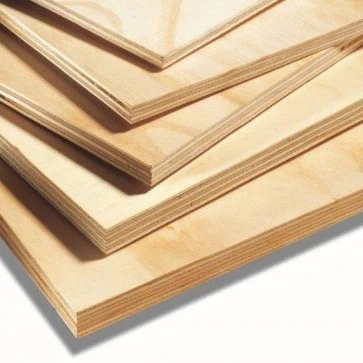
LVL headers are a key player in construction. They're made by gluing thin layers of wood veneers together under high pressure and temperature. This creates a strong, stable, and reliable building material. But here's the thing – moisture can really throw a wrench in the works when it comes to the bonding of these headers.
First off, let's talk about how moisture gets in. It can come from a bunch of different places. Sometimes, it's in the air during the manufacturing process. If the environment where the LVL headers are made is humid, the veneers can absorb that moisture. Also, during storage and transportation, if the headers aren't properly protected, they can be exposed to rain, snow, or high humidity. And once they're on the construction site, bad weather or improper handling can lead to more moisture exposure.
When moisture infiltrates the LVL headers, it has a direct impact on the glue used to bond the veneers. Most of the glues used in LVL production are designed to work in a relatively dry environment. When moisture gets in, it can cause the glue to swell. This swelling disrupts the chemical bonds that hold the glue together and stick the veneers. As a result, the bond strength between the layers of the LVL headers starts to decline.
Weakened bonds mean that the structural integrity of the LVL headers is at risk. In a building, LVL headers are often used to support heavy loads, like the weight of upper floors or roofs. If the bonding is compromised due to moisture, the headers may not be able to handle these loads as effectively. This can lead to all sorts of problems, from small cracks in the headers to more serious structural failures.
Another issue caused by moisture is mold growth. When the LVL headers are constantly damp, mold can start to grow on the surface and even between the veneer layers. Mold not only looks bad but can also further damage the wood and the glue. Some types of mold produce enzymes that break down the wood fibers and the glue, accelerating the deterioration of the LVL headers.
So, what can we do to prevent moisture from affecting the bonding of LVL headers? Well, during manufacturing, it's crucial to control the humidity in the production environment. The veneers should be dried to an appropriate moisture content before the gluing process. This helps to ensure that the glue adheres properly and forms strong bonds.
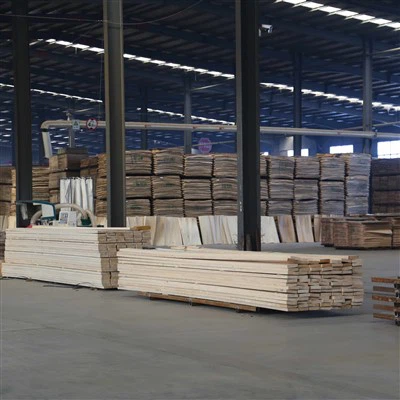
When it comes to storage and transportation, we need to take extra care. The headers should be stored in a dry, covered area. If possible, they should be stored off the ground to prevent moisture from seeping up from the floor. During transportation, they should be protected with waterproof covers.
On the construction site, the headers should be installed as soon as possible after delivery. If there's a delay in installation, they should be kept dry. And once they're installed, the building should be properly ventilated to reduce humidity levels inside.
As a supplier of LVL headers, we understand how important it is to provide high - quality products. That's why we take all these moisture - related factors into account during the production process. We also offer some great products that are designed to withstand different environmental conditions. For example, our Reinforced LVL Lintel is a great option for those who need extra strength and durability. It's been reinforced to better handle various loads and resist the effects of moisture.


Our Trustworthy Laminated Veneer Lumber Headers are also a top - choice. They're made with high - quality veneers and a special glue that has good resistance to moisture. And if you're working on a light - frame project, our Best Quality LVL Headers Beam for Light Frame is exactly what you need. It provides the right balance of strength and lightness while also being able to handle moisture to a certain extent.
If you're in the market for LVL headers, we'd love to have a chat with you. Whether you're a contractor, a builder, or someone involved in a DIY construction project, we can help you find the right LVL headers for your needs. Let's get in touch and start discussing your requirements. You won't be disappointed with our products and our service.
In conclusion, moisture is a significant factor that can impact the bonding of LVL headers. But with proper manufacturing, storage, transportation, and installation practices, we can minimize these effects and ensure that the LVL headers perform as expected. So, don't hesitate to reach out if you have any questions or if you're ready to make a purchase.
References
- Forest Products Laboratory. (2010). Wood Handbook: Wood as an Engineering Material. U.S. Department of Agriculture, Forest Service.
- ASTM International. (2021). Standard Specification for Laminated Veneer Lumber (LVL). ASTM D3737.