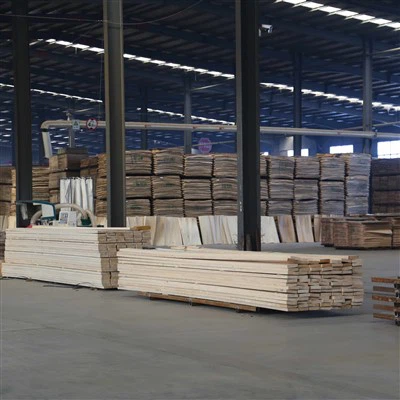
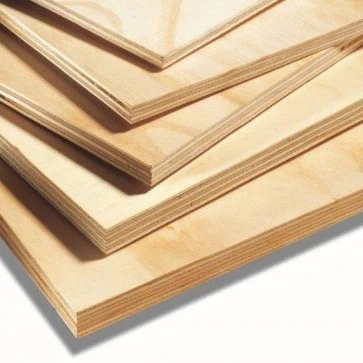
As a supplier of low price LVL (Laminated Veneer Lumber) wood, I often get asked about the load - bearing capacity of this remarkable building material. In this blog, I'll delve into what determines the load - bearing capacity of low price LVL wood, and why it can be a cost - effective yet reliable choice for various construction and industrial applications.
Understanding LVL Wood
LVL wood is an engineered wood product made by bonding multiple thin layers of wood veneers together with adhesives under high pressure and heat. The veneers are typically arranged with their grains parallel to each other, which gives LVL its strength and stability. This manufacturing process results in a product that is more uniform and less prone to warping, shrinking, or splitting compared to solid sawn timber.
Factors Affecting the Load - Bearing Capacity of LVL Wood
Wood Species
The type of wood used in the LVL manufacturing process has a significant impact on its load - bearing capacity. Different wood species have different inherent strength properties. For example, hardwoods generally have higher strength than softwoods. However, in the case of low price LVL wood, more commonly used softwood species like pine or spruce are often selected. These species offer a good balance between cost and performance. Pine, for instance, is readily available and can provide sufficient strength for many applications when processed into LVL.
Veneer Thickness and Quality
The thickness and quality of the veneers used in LVL production also play a crucial role. Thicker veneers can contribute to greater overall strength. High - quality veneers, free from knots, cracks, and other defects, ensure a more consistent load - distribution across the LVL product. In the production of low price LVL wood, while cost - effective measures are taken, strict quality control is still maintained to ensure that the veneers meet the minimum requirements for strength.
Adhesive Quality
The adhesive used to bond the veneers together is another important factor. A high - quality adhesive forms a strong bond between the layers, allowing the LVL to act as a single, cohesive unit. In the low price LVL market, suppliers often use cost - efficient adhesives that still meet industry standards for strength and durability. These adhesives are designed to withstand the forces exerted on the LVL during its service life.
Cross - Sectional Dimensions
The size and shape of the LVL cross - section directly influence its load - bearing capacity. A larger cross - sectional area can generally support more weight. For example, a thicker and wider LVL beam will have a higher load - bearing capacity than a thinner and narrower one. When selecting low price LVL wood for a specific application, it's essential to choose the appropriate cross - sectional dimensions based on the expected loads.


Calculating the Load - Bearing Capacity
Determining the exact load - bearing capacity of LVL wood is a complex process that typically involves engineering calculations. These calculations take into account the factors mentioned above, as well as the specific application and the way the LVL is installed.
In general, the load - bearing capacity of LVL is expressed in terms of the maximum weight or force it can support without experiencing excessive deflection or failure. Building codes and standards provide guidelines for calculating these capacities based on different scenarios. For example, in residential construction, LVL beams are often used to support floors and roofs. The load - bearing capacity requirements for these applications are determined by factors such as the span length, the type of load (live load, dead load), and the allowable deflection limits.
Applications of Low Price LVL Wood Based on Load - Bearing Capacity
Pallet Manufacturing
LVL wood is an excellent choice for pallet manufacturing due to its high strength - to - weight ratio. Low price LVL can be used to create pallets that can withstand the weight of heavy goods during transportation and storage. The consistent strength properties of LVL ensure that pallets are reliable and long - lasting. If you are interested in high - strength LVL timbers for pallets, you can visit High Strength LVL Timbers for Pallets.
Building Projects
In building construction, low price LVL wood can be used for various structural elements such as beams, headers, and joists. It can support the weight of floors, walls, and roofs, providing a cost - effective alternative to traditional solid timber or steel. For building projects, Perfect LVL Timbers Suit for Building Projects offers a range of LVL products that meet the load - bearing requirements of different construction scenarios.
Structural Timber in General
LVL is also used as structural timber in a variety of other applications, including industrial buildings, bridges, and agricultural structures. Its multi - specification nature allows it to be customized to different load - bearing needs. Check out Multi - specification LVL Structural Timber for more information on the different options available.
Advantages of Using Low Price LVL Wood in Terms of Load - Bearing Capacity
Cost - Effectiveness
As the name suggests, low price LVL wood offers a more affordable option compared to some other high - strength building materials. This makes it an attractive choice for budget - conscious projects without sacrificing too much on load - bearing capacity.
Predictable Performance
Due to its engineered nature, LVL wood provides more predictable load - bearing performance than natural timber. The manufacturing process ensures that the strength properties are consistent throughout the product, reducing the risk of unexpected failures.
Sustainability
LVL wood is often made from fast - growing tree species, which makes it a more sustainable option compared to some other building materials. Additionally, the efficient use of wood in the LVL manufacturing process reduces waste.
Contact for Purchase and洽谈
If you are considering using low price LVL wood for your project and want to discuss the load - bearing capacity requirements and other details, feel free to reach out. We have a team of experts who can provide you with detailed information and help you select the most suitable LVL products for your specific needs.
References
- Forest Products Laboratory. (2010). Wood Handbook: Wood as an Engineering Material. U.S. Department of Agriculture, Forest Service.
- ASTM International. (2019). Standard Specification for Laminated Veneer Lumber (LVL) for Structural Purposes. ASTM D3737.